
How to Choose the Right Dry Type Transformer Size for Your Load
-
How to choose the right dry type transformer size by avoiding common sizing mistakes and applying practical load-matching methods.
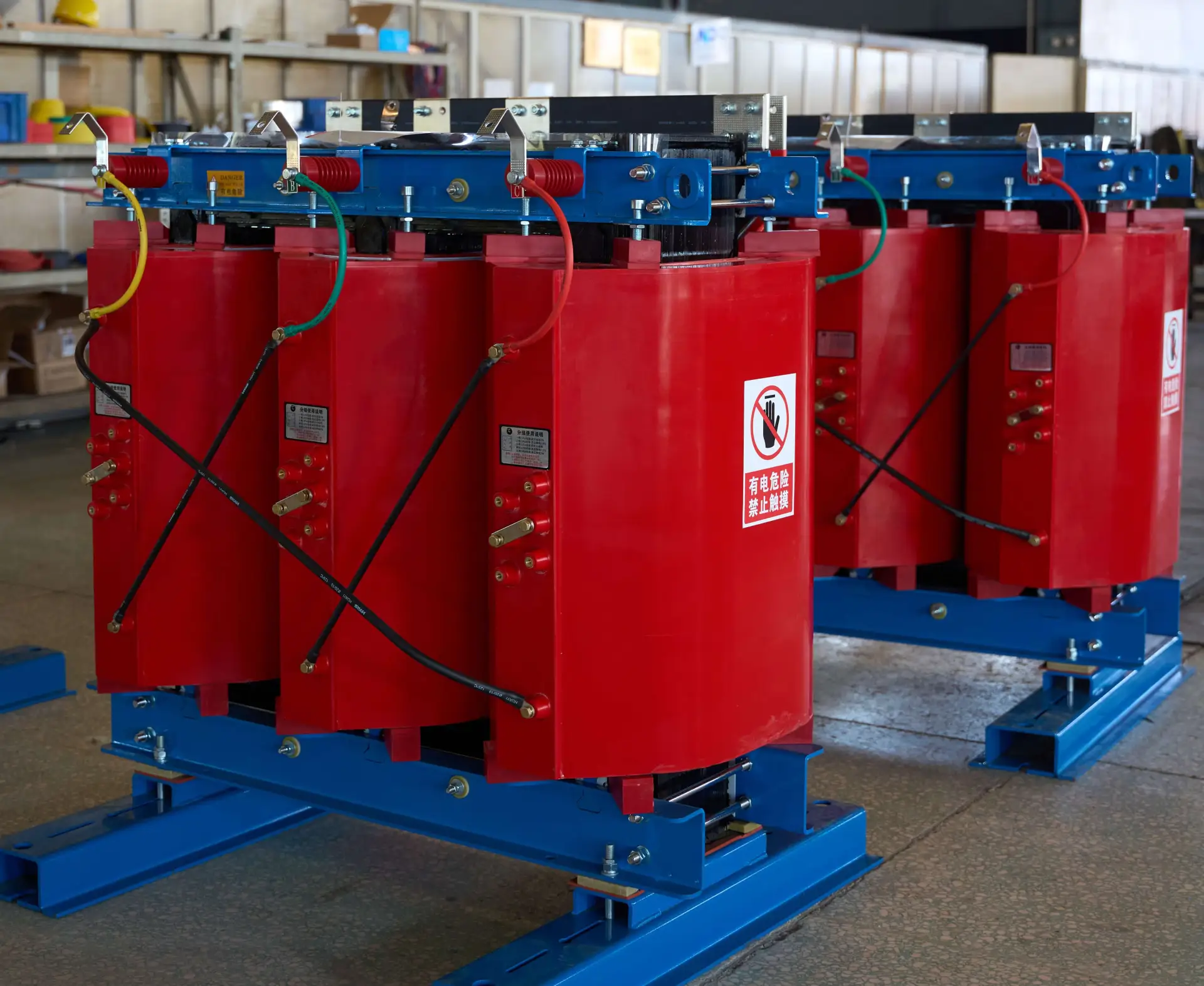
Choosing the correct dry type transformer sizes is a critical step in designing a reliable electrical distribution system. In many projects, engineers assume that transformer selection is simply a matter of matching the transformer’s kVA rating to the total calculated load. However, real-world electrical systems rarely operate under perfectly steady conditions. Load fluctuations, environmental temperatures, motor starting currents, and future expansion plans all influence the actual performance requirements of a transformer.
Selecting the wrong transformer size can lead to overheating, reduced efficiency, or costly upgrades later in the project lifecycle. Undersized transformers may operate continuously near their thermal limits, accelerating insulation aging and increasing the risk of failure. Oversized transformers, on the other hand, may operate inefficiently and increase unnecessary capital costs.
Understanding how to correctly determine dry type transformer sizes requires a deeper analysis of load behavior, operational conditions, and long-term facility planning. This guide explains how to select the right transformer size while clarifying several common misconceptions that often lead to poor design decisions.
Why Correct Dry Type Transformer Sizes Matter
Properly selecting dry type transformer sizes directly impacts the efficiency, safety, and longevity of an electrical system. Dry-type transformers rely primarily on air cooling, which means they are more sensitive to thermal conditions compared with oil-filled transformers. If the transformer operates close to its maximum rated capacity for long periods, internal temperatures will rise significantly, accelerating insulation degradation.
Another important consideration is system efficiency. Transformers have both core losses and load losses. When a transformer is oversized relative to the actual load, core losses may dominate and reduce energy efficiency. Conversely, an undersized transformer may suffer excessive load losses due to continuous high current flow.
A balanced transformer sizing strategy ensures that the transformer operates within an optimal loading range—typically between 60% and 80% of rated capacity—while maintaining enough margin to handle peak demand and future expansion.
Five Common Misconceptions About Dry Type Transformer Sizes
Many electrical design mistakes occur because of simplified assumptions about transformer selection. Understanding these misconceptions can help engineers choose more appropriate dry type transformer sizes for real-world applications.
1. Selecting Transformers Based Only on kVA Rating
One of the most common misunderstandings is assuming that dry type transformer sizes should match the exact calculated load kVA. While kVA is an essential parameter, it does not represent the full picture of how electrical systems behave.
Loads fluctuate throughout the day, and peak demand may occur only briefly. If a transformer is selected strictly based on theoretical load without considering operating margin, it may run continuously near its maximum capacity, which increases heat generation and reduces lifespan.
2. Ignoring Load Curves and Demand Variations
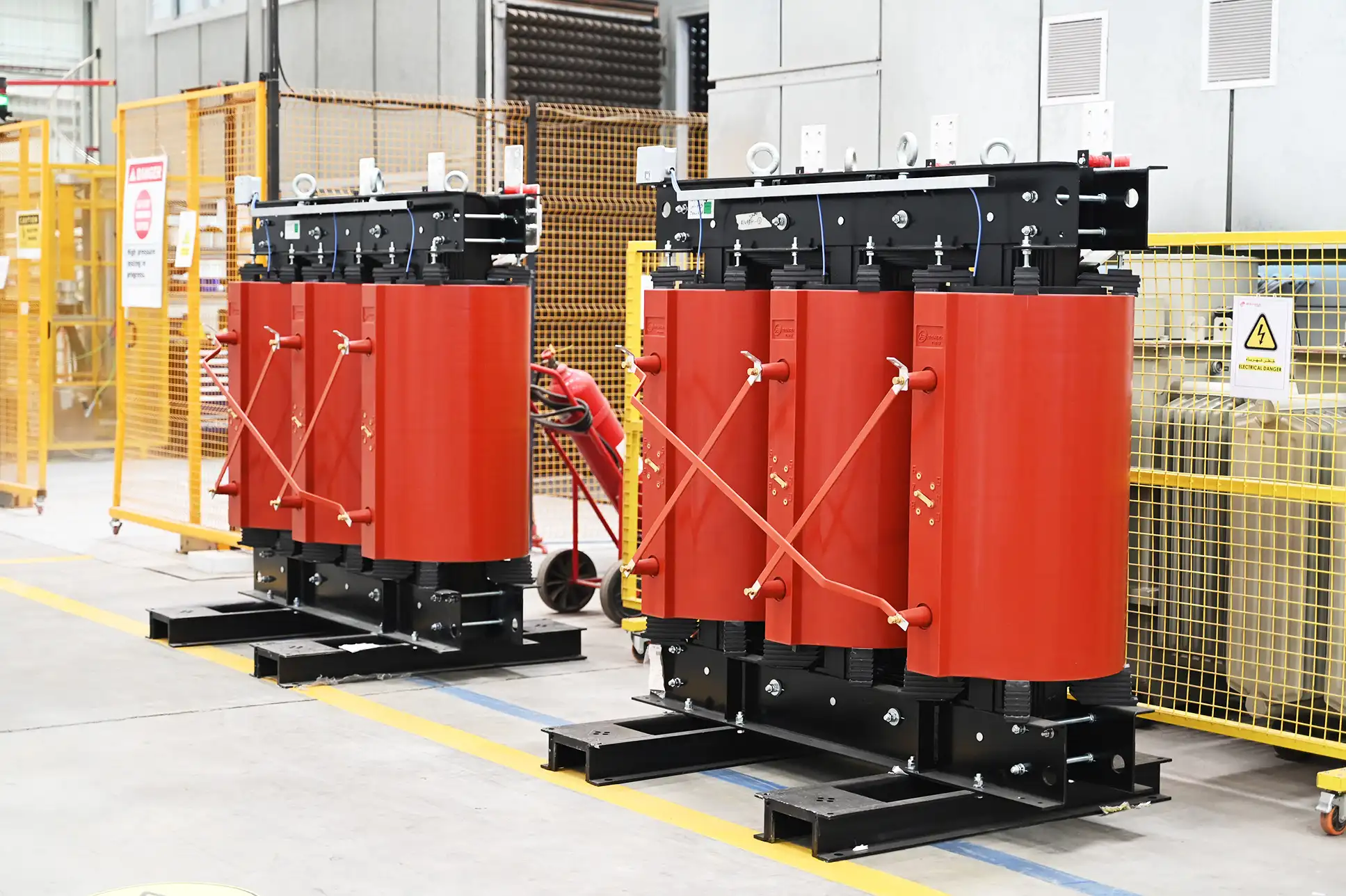
Electrical loads in commercial buildings, factories, and data centers are rarely constant. HVAC systems, lighting loads, and IT infrastructure follow different daily operating cycles. Engineers who overlook these load curves may either oversize or undersize the transformer.
Analyzing load diversity allows designers to better estimate realistic demand levels and choose dry type transformer sizes that match actual operating conditions rather than theoretical maximum demand.
3. Overlooking Ambient Temperature
Dry-type transformers dissipate heat through natural or forced air cooling. If the surrounding environment is warmer than standard design conditions, heat removal becomes less effective.
For installations in mechanical rooms, industrial facilities, or high-density electrical rooms, engineers may need to increase dry type transformer sizes to compensate for elevated ambient temperatures. Ignoring this factor can significantly reduce transformer service life.
4. Neglecting Starting Currents
Certain equipment—especially motors and compressors—draw large inrush currents during startup. These currents may be several times higher than normal operating current. If transformer sizing calculations ignore these temporary peaks, the system may experience voltage drops or thermal stress.
When determining dry type transformer sizes, engineers should carefully evaluate motor starting characteristics and short-term overload conditions.
5. Forgetting Future Expansion
Facilities often expand their electrical infrastructure over time. New equipment, additional production lines, or expanded server capacity can quickly push transformers to their limits.
Including a capacity margin when selecting dry type transformer sizes ensures that the system can accommodate moderate load growth without requiring immediate transformer replacement.
Key Factors When Choosing Dry Type Transformer Sizes
To select the correct transformer size, engineers should evaluate several technical parameters. A systematic evaluation ensures that transformer capacity aligns with both current and future operational requirements.
Important considerations include:
-
Total connected electrical load
-
Load diversity and demand factor
-
Power factor and harmonic distortion
-
Ambient temperature conditions
-
Motor starting currents and transient loads
-
Planned future expansion capacity
By analyzing these parameters together, engineers can choose dry type transformer sizes that maintain stable operation under varying load conditions.

Typical Dry Type Transformer Sizes and Applications
The following table shows common transformer sizes used in commercial and industrial power distribution systems.
| Transformer Size (kVA) | Typical Application | Estimated Operating Load | Common Installation Environment |
|---|---|---|---|
| 75 kVA | Small commercial spaces | 45–60 kVA | Retail stores, small offices |
| 150 kVA | Medium office buildings | 90–120 kVA | Office floors and light commercial loads |
| 300 kVA | Large commercial facilities | 180–240 kVA | Mixed electrical systems |
| 500 kVA | Industrial plants | 300–400 kVA | Machinery and motor loads |
| 1000 kVA | Data centers and large factories | 600–800 kVA | High-density electrical systems |
This table illustrates how dry type transformer sizes are typically selected with operational headroom rather than matching the exact calculated load.
Example of Dry Type Transformer Sizing in Practice
Imagine a commercial building with a calculated electrical demand of approximately 200 kVA. If engineers select a transformer rated at exactly 200 kVA, the unit would operate near full capacity during peak demand periods. Under warm environmental conditions, this could lead to excessive temperature rise.
A more reliable solution would be installing a 300 kVA transformer. In this case, the transformer would operate around 65% load during normal operation, providing thermal margin for peak demand, motor starting events, and moderate future expansion.
This approach ensures that dry type transformer sizes support long-term reliability while maintaining efficient system operation.
FAQ
How do I calculate the correct dry type transformer size?
Start by calculating the total connected load in kVA. Then consider demand factor, diversity factor, and power factor corrections. After determining realistic operating load, add a safety margin of approximately 20–30% to determine the appropriate dry type transformer sizes.
What happens if a dry type transformer is undersized?
An undersized transformer will operate close to or beyond its rated capacity. This causes excessive heating, increased energy losses, and accelerated insulation aging, potentially leading to premature transformer failure.
Can dry type transformer sizes affect energy efficiency?
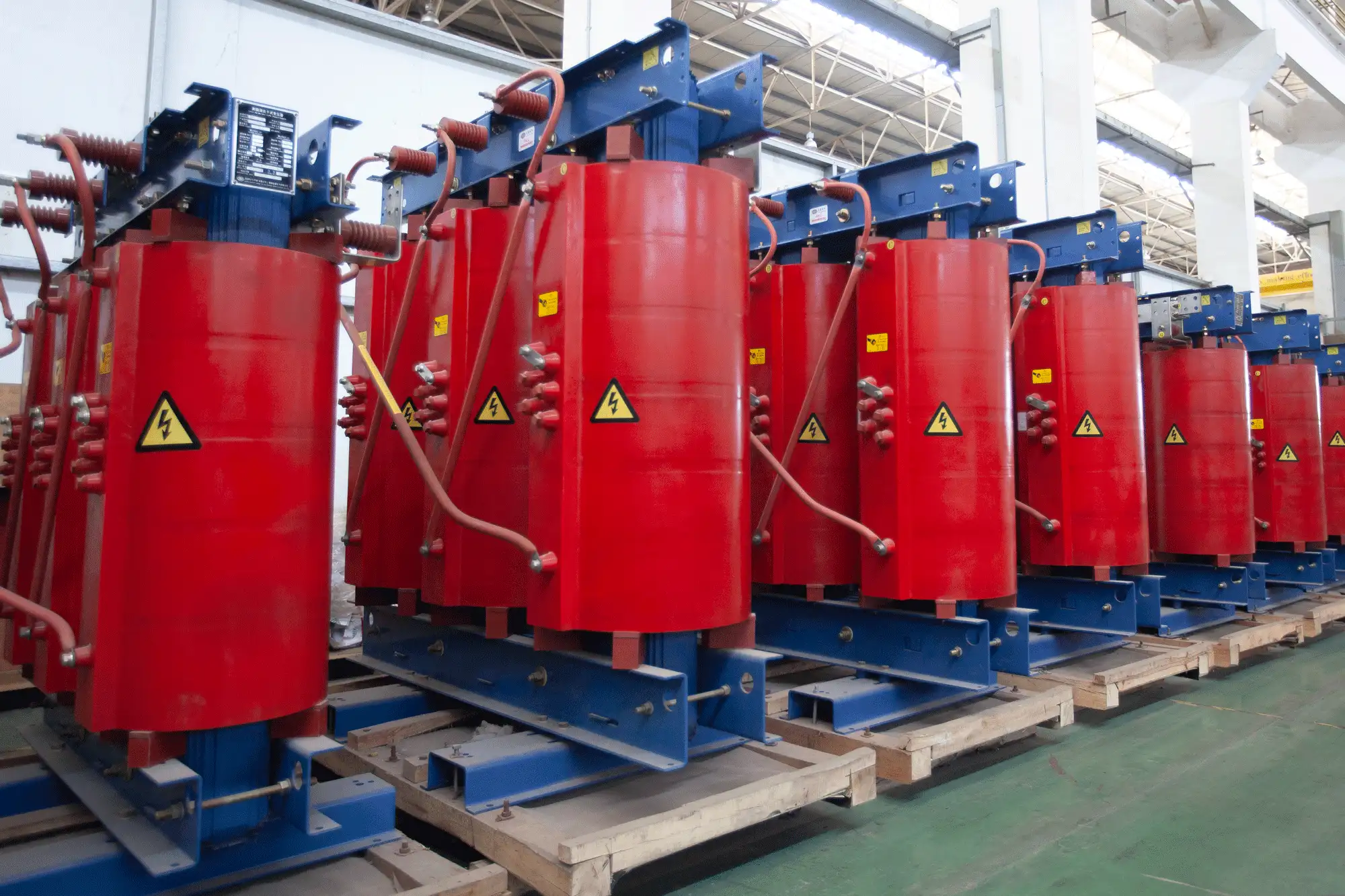
Yes. Transformers operating within their optimal load range generally achieve better efficiency. Oversized transformers may experience higher no-load losses, while undersized units suffer from excessive load losses.
Should future expansion be considered when choosing transformer size?
Absolutely. Electrical systems often grow over time. Selecting dry type transformer sizes with additional capacity ensures that the transformer can support moderate load increases without immediate replacement.