
What Specs Confirm for 300 kVA Dry Type Transformer?
-
Confirm load demand, voltage class, environment, and certification requirements when selecting a 300 kVA dry type transformer for engineering applications.
300 kVA dry type transformer selection in real engineering projects
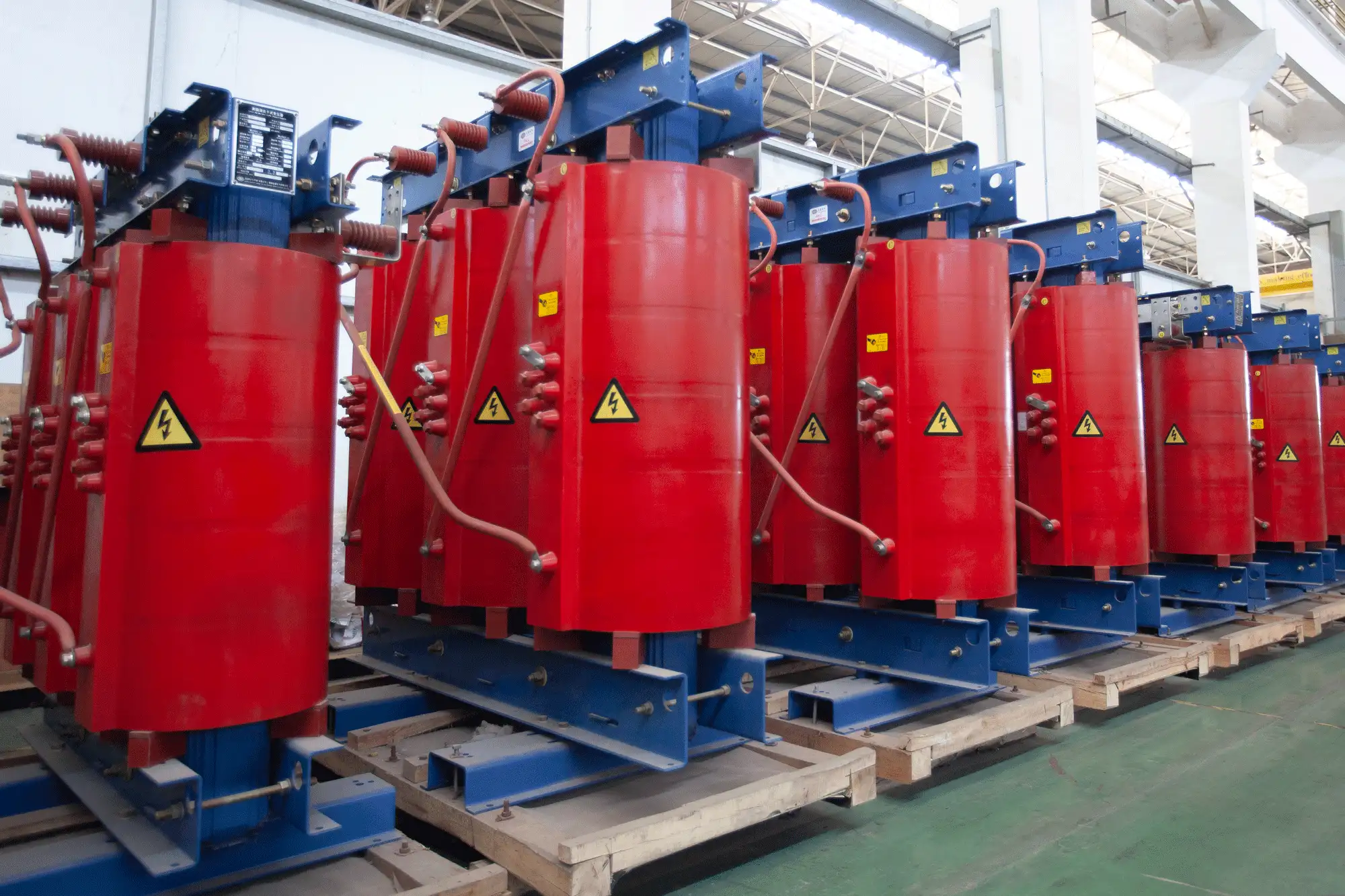
A 300 kVA dry type transformer is commonly applied in commercial buildings, light industrial plants, data rooms, and distributed energy systems where medium-to-low voltage conversion is required without oil insulation. During the selection (Consideration) stage, engineers must confirm more than just the rated capacity. Load behavior, voltage class, installation environment, and certification compliance directly affect long-term performance. Dry-type units are preferred in indoor or fire-sensitive areas due to their air-cooled insulation system. However, incorrect specification confirmation can result in overheating, excessive noise, or compliance delays. Systematic verification ensures that a 300 kVA dry type transformer matches operational demand while preparing for the next stage of Compliance review.
Confirm actual load demand before capacity selection
The first confirmation step involves evaluating real load demand rather than relying solely on nominal connected power. Engineers should calculate total kW demand, apply diversity factors, and convert to kVA considering power factor. For example, a 240 kW load at 0.8 power factor equals 300 kVA apparent power. If future expansion is expected, additional margin may be necessary. Overestimating capacity increases cost and footprint unnecessarily. Underestimating load leads to thermal stress and insulation aging. Short-duration peak loads must also be evaluated to prevent nuisance overheating. Accurate demand assessment forms the technical foundation of 300 kVA dry type transformer specification.
Load verification checklist
-
Calculate total connected load in kW
-
Apply realistic demand factor
-
Convert to kVA using power factor
-
Evaluate harmonic distortion impact
-
Consider 10–20% future expansion margin
Confirm primary and secondary voltage ratings
Voltage compatibility determines transformer configuration. Common primary voltages include 10 kV, 11 kV, or 13.8 kV depending on regional grid standards. Secondary voltage may be 400 V, 415 V, or 480 V depending on facility requirements. Incorrect voltage specification leads to operational mismatch and potential equipment damage. Tap changer range should also be reviewed for voltage regulation flexibility. Engineers must verify phase configuration and frequency, typically 50 Hz or 60 Hz. Proper voltage confirmation ensures stable integration within the distribution network and prevents costly redesign during procurement.
Evaluate installation environment and cooling conditions
Installation environment significantly influences transformer design confirmation. Dry type transformers rely on air cooling, so ventilation and ambient temperature must be assessed. Indoor installations in electrical rooms require sufficient airflow clearance. High ambient temperatures may require lower temperature rise class or forced air cooling. Dust, humidity, or corrosive atmospheres affect insulation longevity. Noise limits must also be considered in commercial buildings. If installed near occupied spaces, low-noise design becomes essential. Environmental verification ensures that the 300 kVA dry type transformer operates safely within thermal and acoustic constraints.
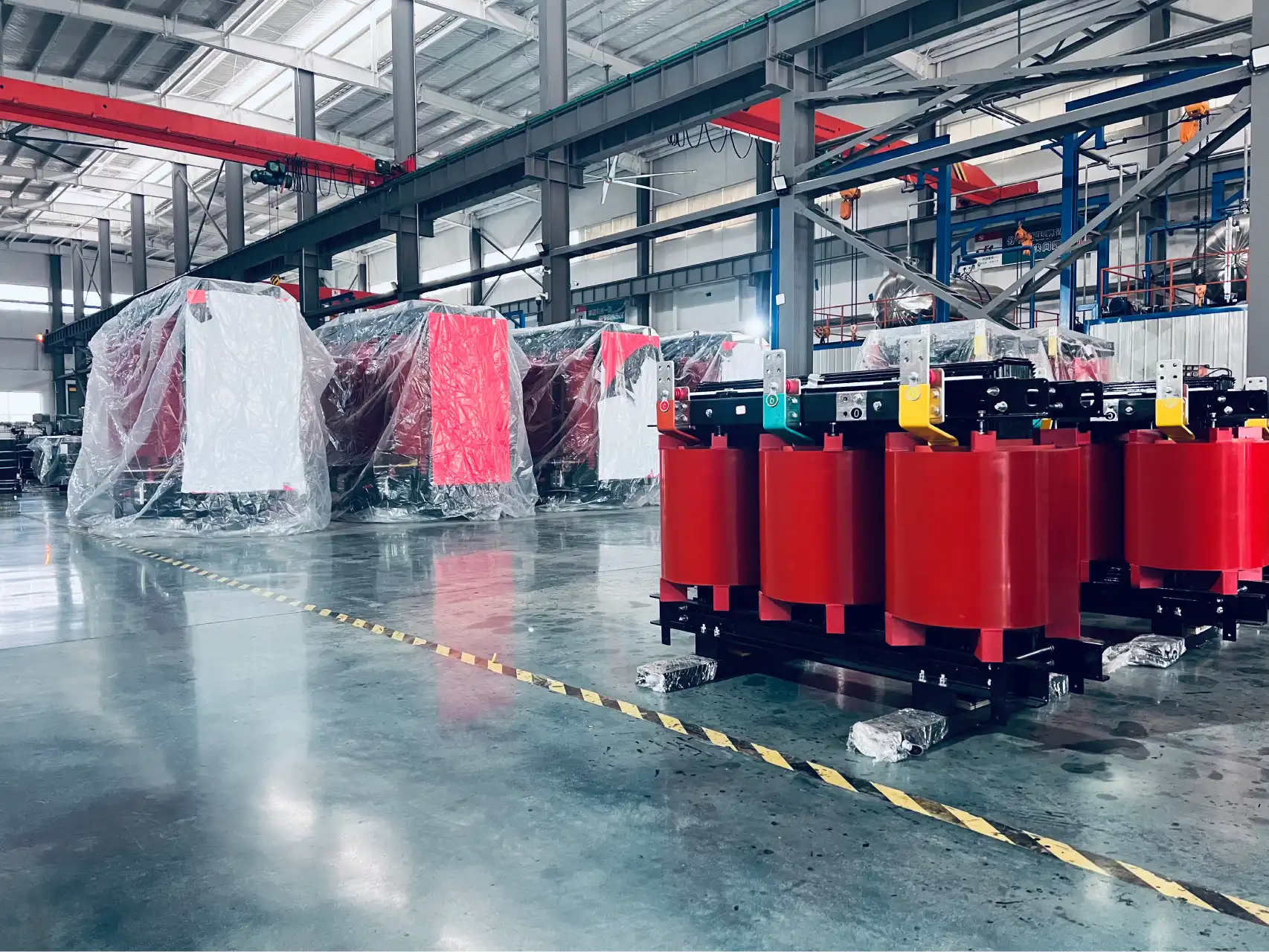
Environmental confirmation list
-
Ambient temperature rating
-
Ventilation and airflow clearance
-
Humidity and dust level
-
Noise limit requirements
-
Indoor or semi-outdoor installation type
Confirm insulation class and temperature rise
Dry type transformers typically use Class F or Class H insulation systems. Temperature rise options commonly include 80K, 100K, or 115K above ambient. Lower temperature rise improves longevity but increases cost. Higher temperature rise reduces size but limits overload flexibility. Engineers must balance efficiency, lifespan, and budget. For facilities with continuous heavy load, selecting a conservative temperature rise enhances reliability. Thermal class confirmation directly influences long-term operational stability.
Verify certification and compliance requirements
Compliance confirmation prepares the project for regulatory approval. Certification may include IEC, CE, UL, or local electrical authority standards. Seismic certification may be required in earthquake-prone regions. Fire behavior classification is important in public buildings. Energy efficiency levels must align with regional eco-design directives. Engineers should consult the Dry Type Transformer Introduction and Selection Guide for structured compliance alignment. Early verification prevents delivery delays and inspection rejection during commissioning.
Common pitfalls when selecting a 300 kVA dry type transformer
One frequent mistake involves confusing rated capacity with continuous safe loading under harmonic distortion. Nonlinear loads increase heating even if apparent kVA seems acceptable. Another issue is neglecting future expansion, leading to early replacement. Improper ventilation planning often results in unexpected temperature rise. Selecting the lowest cost unit without reviewing insulation class can shorten service life significantly. Voltage tap range misalignment may also create regulation instability. Awareness of these pitfalls reduces lifecycle cost and prevents operational disruption.
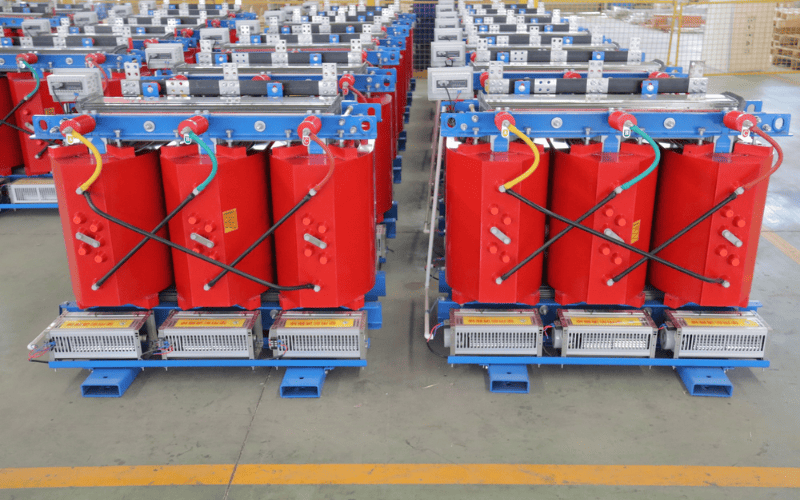
Performance and specification comparison overview
| Parameter | Typical Option | Engineering Consideration |
|---|---|---|
| Rated Capacity | 300 kVA | Match with real demand and margin |
| Primary Voltage | 10–13.8 kV | Confirm grid compatibility |
| Secondary Voltage | 400–480 V | Match facility distribution |
| Insulation Class | F or H | Balance lifespan and cost |
| Cooling Type | AN / AF | Verify ventilation condition |
| Certification | IEC / UL / CE | Meet regulatory approval |
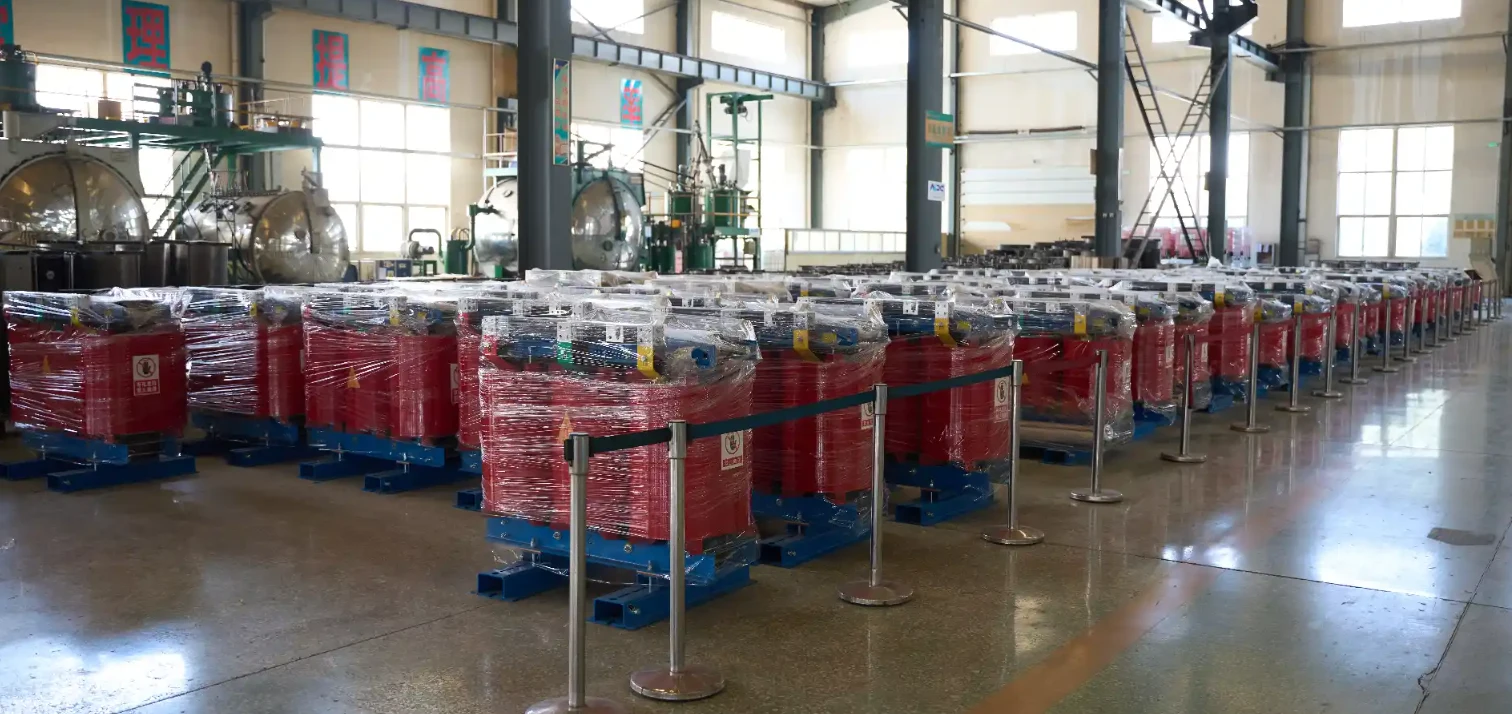
Integration within broader dry type selection strategy
Selecting a 300 kVA dry type transformer should align with broader system planning rather than isolated equipment procurement. Load fluctuation, harmonic content, and redundancy philosophy influence specification. Coordination with protection relays and switchgear ensures safe fault response. Engineers planning medium voltage to low voltage conversion should evaluate lifecycle efficiency and maintenance access simultaneously. A structured selection pathway transitions naturally toward the Compliance stage, where documentation and certification evidence are finalized before project approval.
FAQ
Is 300 kVA sufficient for small industrial applications?
A 300 kVA dry type transformer is often suitable for small to medium industrial workshops, commercial complexes, or distributed energy hubs. Suitability depends on actual load calculation rather than facility size alone. Engineers must confirm total kW demand, power factor, and harmonic contribution before finalizing capacity. If equipment such as motors or rectifiers create high inrush or distortion, effective loading may exceed nominal estimation. Adding reasonable expansion margin supports operational flexibility. Proper demand assessment ensures the transformer operates within safe thermal limits without unnecessary oversizing.
How much overload can a 300 kVA dry type transformer handle?
Short-term overload capability depends on insulation class, temperature rise rating, and cooling conditions. Many dry type transformers tolerate limited short-duration overload if ambient temperature remains controlled. However, continuous operation above rated 300 kVA is not recommended without thermal validation. Harmonic distortion increases effective heating and reduces overload margin. Engineers should consult manufacturer temperature rise curves before allowing temporary overload operation. Overload planning must align with protection settings to avoid insulation stress and premature aging.
What certifications are typically required?
Certification requirements vary by region and project type. IEC standards are common internationally, while UL certification may be required in North America. Public buildings may require additional fire behavior validation. Seismic compliance may be mandatory in specific zones. Energy efficiency compliance can also influence procurement approval. Early confirmation of certification prevents commissioning delays and inspection rejection. Coordination with local authorities ensures the selected transformer meets regulatory expectations before installation.