
Can FR3 Transformers Boost AI Data Center Overload Capacity?
-
what are dry type transformers and where are they suitable? Review applications, limits, checklist points, and comparison insights.
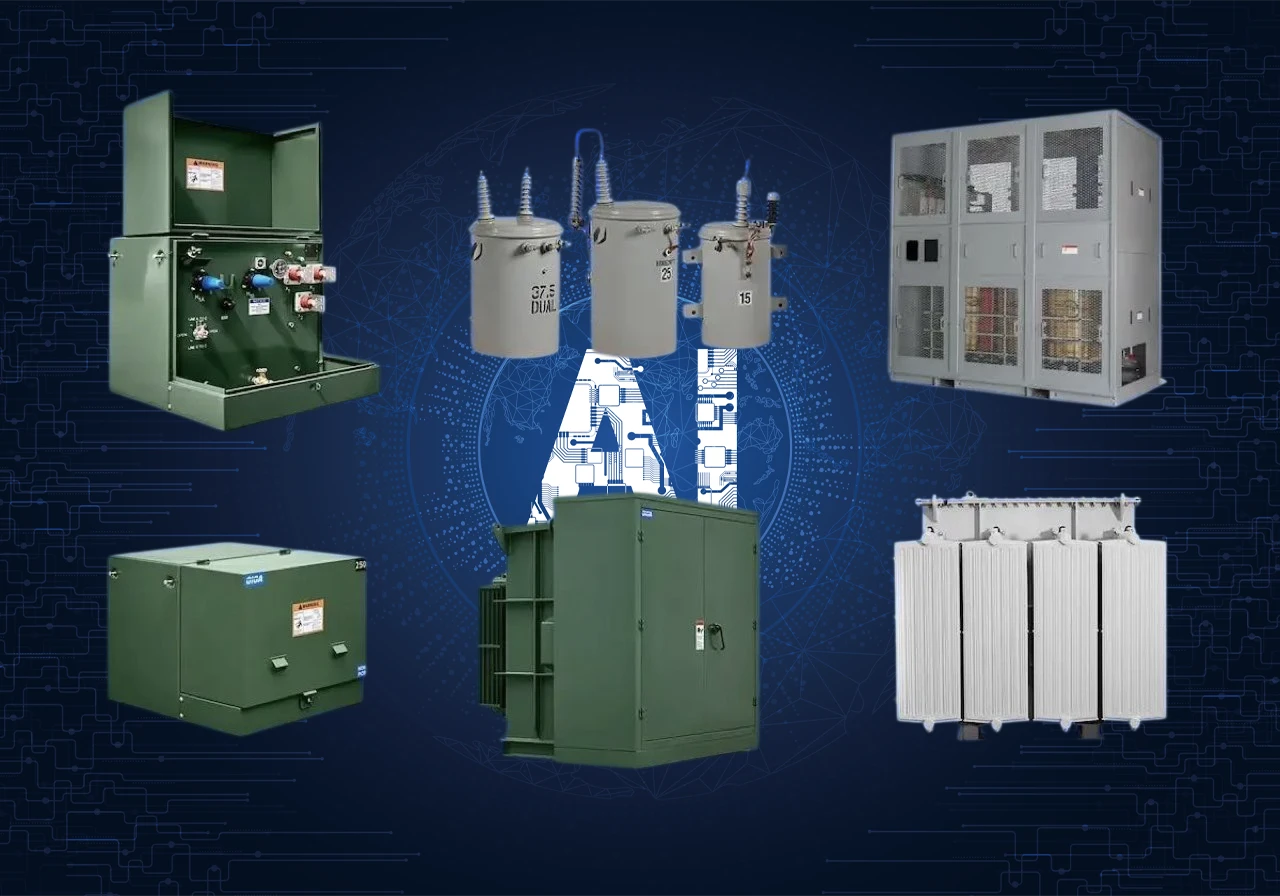
What are dry type transformers in simple operational terms
What are dry type transformers describes transformers that use air or solid resin insulation instead of liquid oil to isolate windings and manage heat. Electrical energy transfers between primary and secondary windings through electromagnetic induction. Solid insulation materials surround conductors and prevent short circuits. Heat dissipates through natural airflow or assisted ventilation systems. No oil tank or fluid circulation system exists inside the structure. This configuration reduces leakage exposure and simplifies indoor placement. Engineers value predictable insulation aging under stable environments. Facility managers appreciate easier inspection access without oil testing routines. The concept becomes clearer when compared with oil immersed designs. Practical understanding begins with structure and cooling differences.
Why AI load volatility demands overload flexibility
GPU-dense racks scale power draw dynamically as models activate additional cores. Large training cycles can produce sharp load ramps within seconds. Traditional transformer thermal inertia limits how much short-term overload they can safely tolerate. Repeated peak events accelerate insulation aging due to cumulative hot-spot temperature elevation. Operators therefore need thermal buffer capacity to prevent emergency shutdowns. Overload margin becomes essential for peak-shaving strategies and resilience planning. Infrastructure stability increasingly depends on how effectively transformers absorb short bursts without exceeding thermal limits.
Thermal capacity advantage of FR3 natural ester fluid
FR3 transformers use natural ester insulating fluid derived from plant-based sources with higher specific heat capacity than mineral oil. This property allows the fluid to absorb more thermal energy before temperature rises to critical thresholds. FR3-filled transformers can operate up to 20°C warmer than comparable mineral oil units without compromising insulation integrity. The extended thermal window supports short-duration overload conditions typical in AI computing cycles. Higher allowable hot-spot temperatures translate into practical overload flexibility. Thermal physics therefore underpins the performance advantage rather than simple nameplate expansion.
Hypothetical overload illustration: 1000 kVA to 1200 kVA
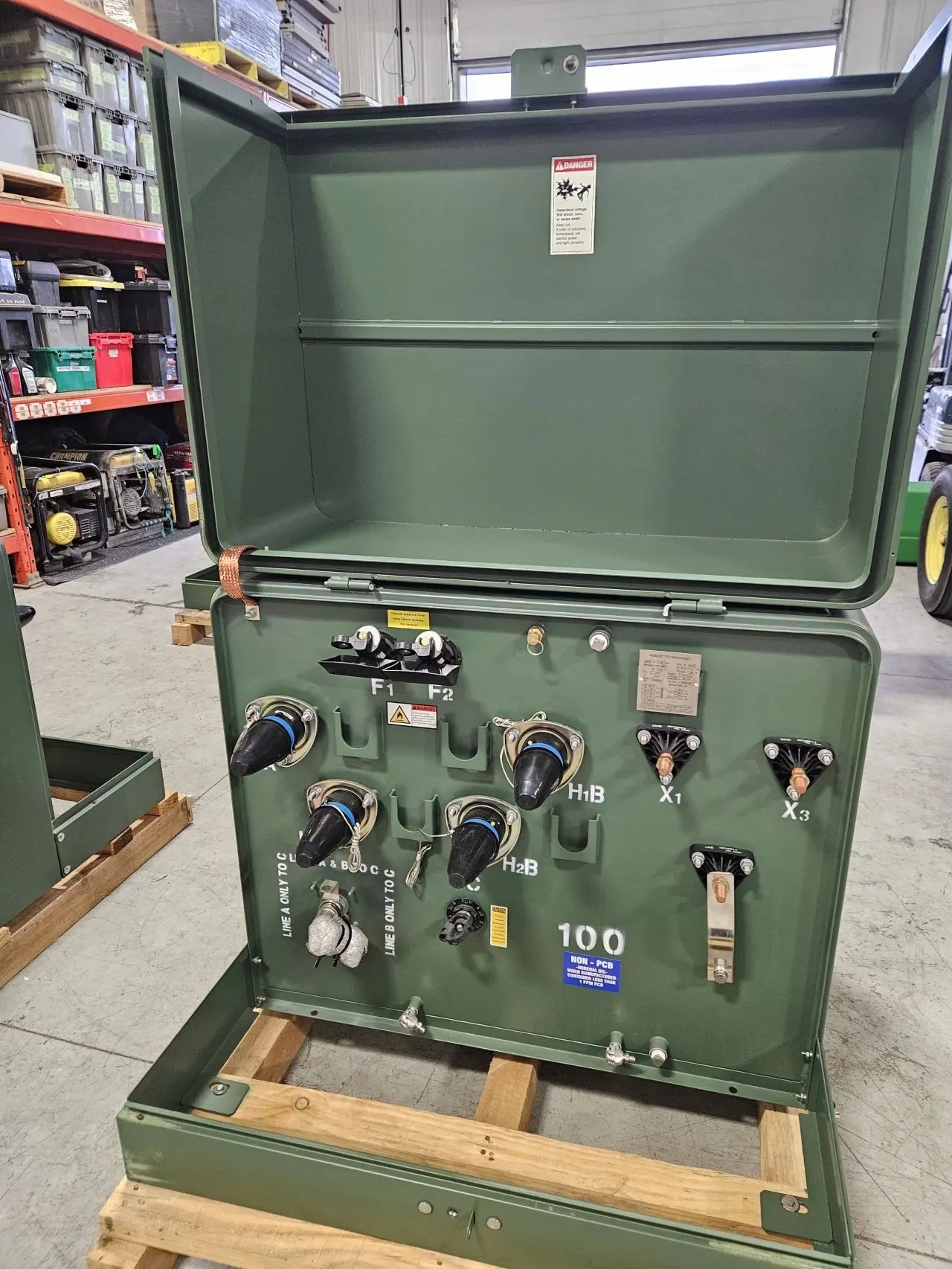
Consider a 1000 kVA mineral oil transformer operating close to rated capacity. Under AI peak demand, short-duration spikes may exceed nominal rating and trigger thermal alarms. If the same core and winding structure is optimized for FR3 insulation and validated through thermal modeling, temporary peak loading of approximately 1200 kVA may be tolerated within safe limits. This simplified 20% example illustrates overload buffer logic rather than a universal guarantee. Actual permissible overload depends on ambient temperature, cooling configuration, harmonic content, and design verification. Engineering validation remains mandatory before applying overload assumptions in live facilities.
Increased loading capacity for peak shaving strategies
Increased loading capacity provides a crucial buffer during peak-shaving or emergency surges in AI processing. Instead of immediately activating redundant feeders, operators can rely on temporary overload tolerance to stabilize distribution. The Uptime Institute Journal has emphasized the importance of dynamic power adaptability in next-generation data centers. Overload flexibility helps smooth transient demand curves and reduce switching frequency stress on upstream equipment. This operational elasticity supports Tier-level uptime objectives while maximizing asset utilization. Thermal resilience therefore enhances both efficiency and reliability in high-performance computing environments.
Superior fire safety supporting dense deployment
AI data centers deploy high-density electrical infrastructure in compact indoor vaults or urban campuses. FR3 is classified as a K-class insulating fluid with a fire point exceeding 360°C, compared to roughly 160°C for mineral oil. The significantly higher fire point reduces ignition probability during internal faults. Elevated fire resistance may allow reduced separation distances and simplified fire suppression design in some jurisdictions. Overload tolerance must never increase fire risk, and FR3 achieves both objectives simultaneously. Performance optimization and fire safety compliance therefore reinforce each other rather than conflict.
Extended insulation life under higher temperatures
Operating at slightly elevated temperatures would normally accelerate cellulose insulation aging. However, natural ester fluids like FR3 actively absorb moisture from solid insulation and slow degradation through hydrolysis processes. Even when transformers operate within a higher permissible temperature band, insulation life may be extended compared to mineral oil units. Moisture management becomes particularly valuable in AI facilities running continuously with limited maintenance windows. Longer insulation life reduces lifecycle replacement frequency and stabilizes long-term capital planning. Reliability improvement complements overload capability to form a balanced performance strategy.
Sustainability alignment with AI expansion
FR3 fluid is more than 99 percent bio-based and readily biodegradable, supporting ESG objectives for hyperscale operators. As next-generation GPU architectures dramatically increase power demand, environmental scrutiny also intensifies. Selecting biodegradable insulating fluid aligns infrastructure upgrades with sustainability commitments. Environmental responsibility does not compromise overload performance; instead, it enhances corporate governance credibility. AI growth and sustainability strategy can therefore progress simultaneously when FR3 transformers are integrated thoughtfully.
Performance comparison overview
| Feature | Mineral Oil | FR3 Natural Ester |
|---|---|---|
| Overload Capacity | Baseline | Up to +20% Potential |
| Fire Point | ~160°C | >360°C (K-Class) |
| Operating Temp Limit | Standard | Up to +20°C Higher |
| Insulation Life | Moisture Sensitive | Extended via Moisture Absorption |
| Environmental Profile | Petroleum-Based | Bio-Based / Biodegradable |
Necessity of thermal design validation
Overload improvement must always be verified through structured engineering analysis. Ambient temperature, enclosure airflow, winding geometry, and harmonic distortion significantly influence temperature rise. Engineers should consult the Data Center Load Fluctuation and Transformer Design Guide for systematic modeling methodology. Computational thermal simulations and factory temperature rise testing confirm safe overload boundaries. Blanket assumptions without validation may expose facilities to unexpected hot-spot stress. Performance optimization therefore requires coordinated electrical and thermal design review before implementation.
DAQ
Can FR3 transformers permanently operate at 20% higher capacity?
FR3 transformers may support up to 20% higher temporary overload capacity when properly designed and thermally validated. However, permanent continuous operation above nameplate rating is not automatically guaranteed. The 20% figure typically reflects short-duration peak tolerance supported by higher allowable operating temperatures and improved heat absorption. Continuous loading limits must still align with insulation class and manufacturer testing data. Engineers must perform temperature rise analysis considering ambient conditions and cooling configuration. Sustainable performance depends on integrated thermal design rather than fluid selection alone.
Do AI harmonics affect overload performance of FR3 transformers?
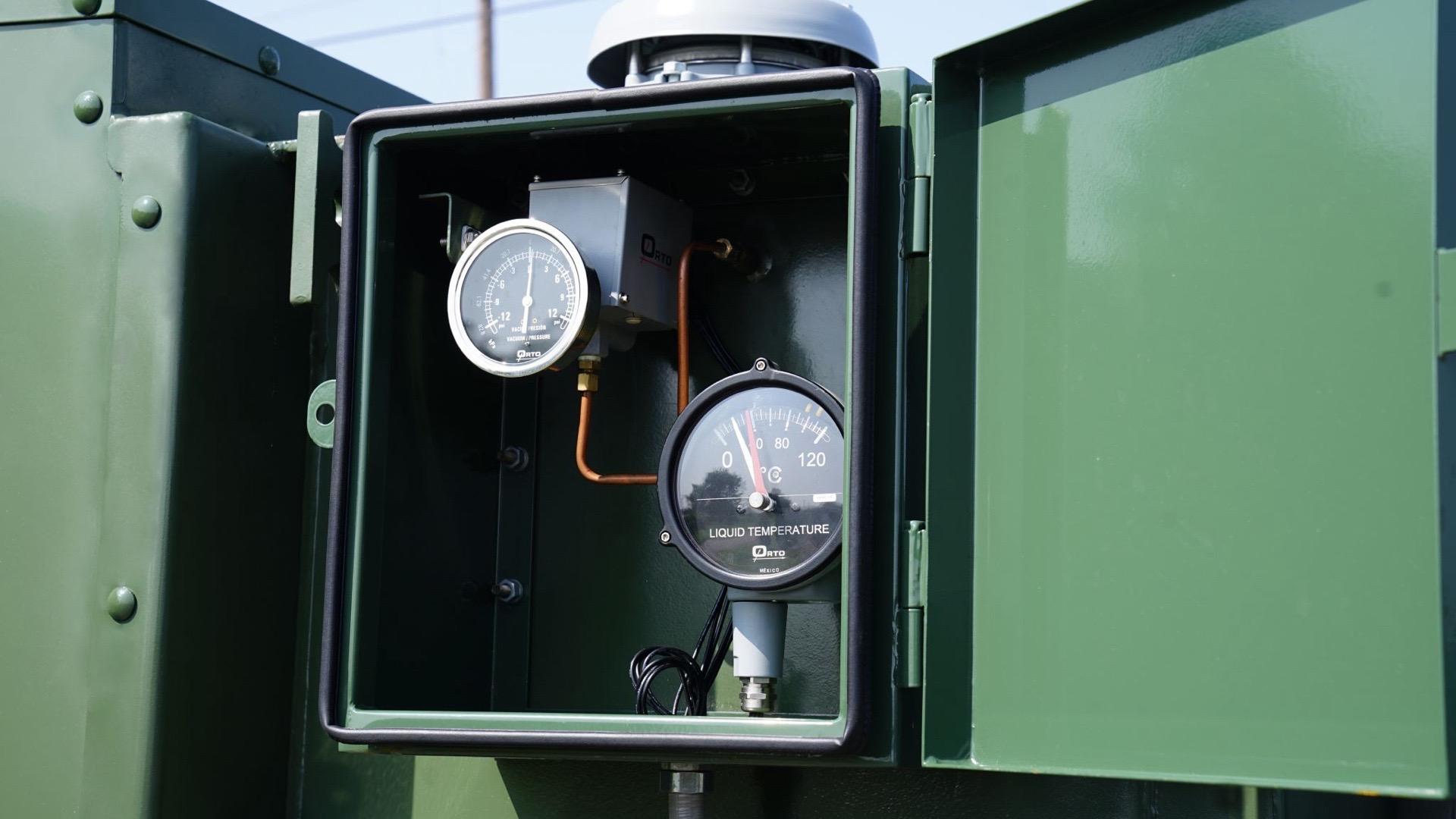
AI systems generate significant harmonic currents that increase copper and eddy losses within transformer windings. FR3 fluid provides improved dielectric performance and higher partial discharge inception voltage, which enhances insulation robustness under distorted waveforms. Nevertheless, harmonics still contribute to thermal rise and must be included in overload calculations. Engineers should incorporate harmonic spectrum data into RMS current evaluation before defining peak capacity limits. Overload tolerance and harmonic resilience are complementary but distinct considerations in AI data center transformer design.
Is thermal modeling mandatory before claiming overload improvement?
Thermal modeling is essential before applying overload assumptions in operational planning. Each transformer installation experiences unique ambient temperature, ventilation, enclosure geometry, and load fluctuation patterns. Simulation tools and laboratory temperature rise testing validate whether the projected 20% overload margin remains within safe hot-spot thresholds. Without validation, real-world performance may deviate from theoretical expectations. Data-driven verification ensures that overload capability enhances reliability rather than introduces hidden risk.a