Why Are FR3 Transformers Crucial for Tier III AI Data Centers?
-
FR3 fire-safe transformers enhance Tier III AI data center safety with >360°C fire point, 20% higher load capacity, and extended insulation life.
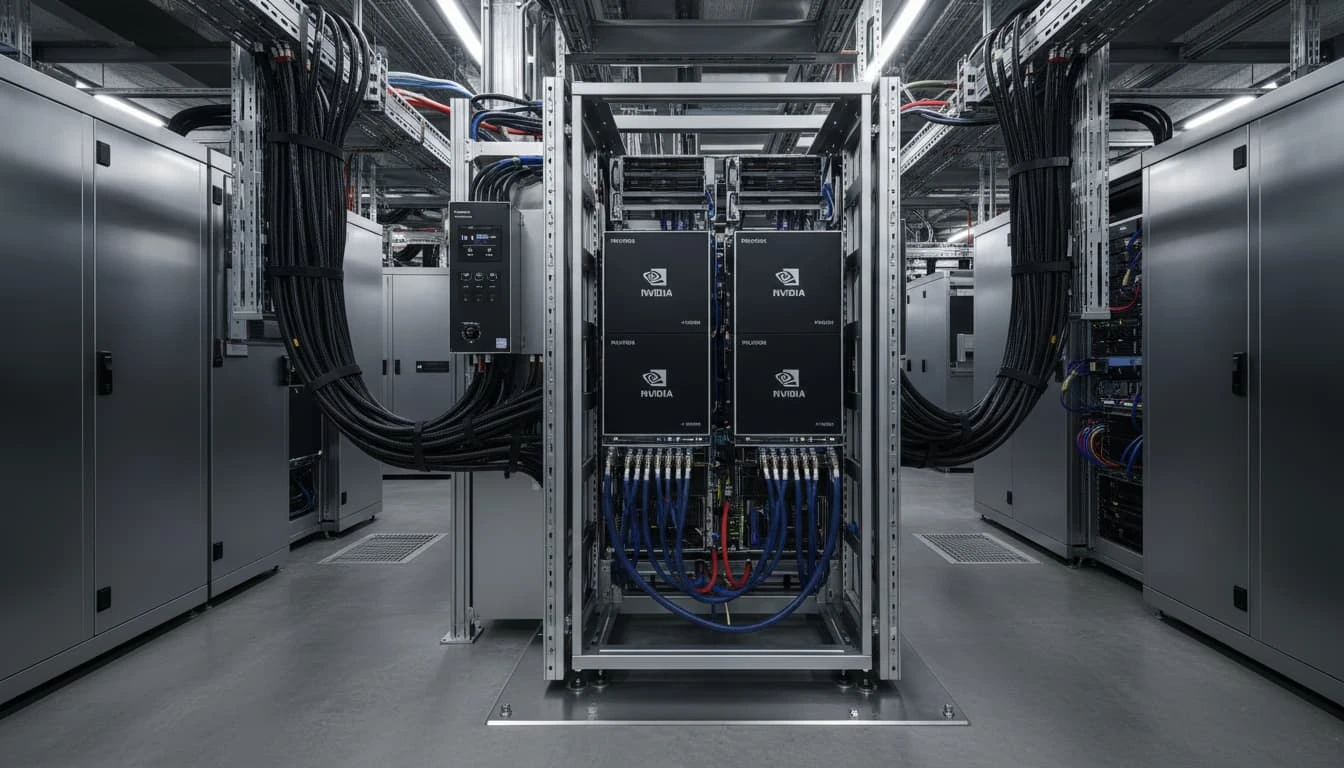
FR3 fire-safe transformers within Tier III AI infrastructure
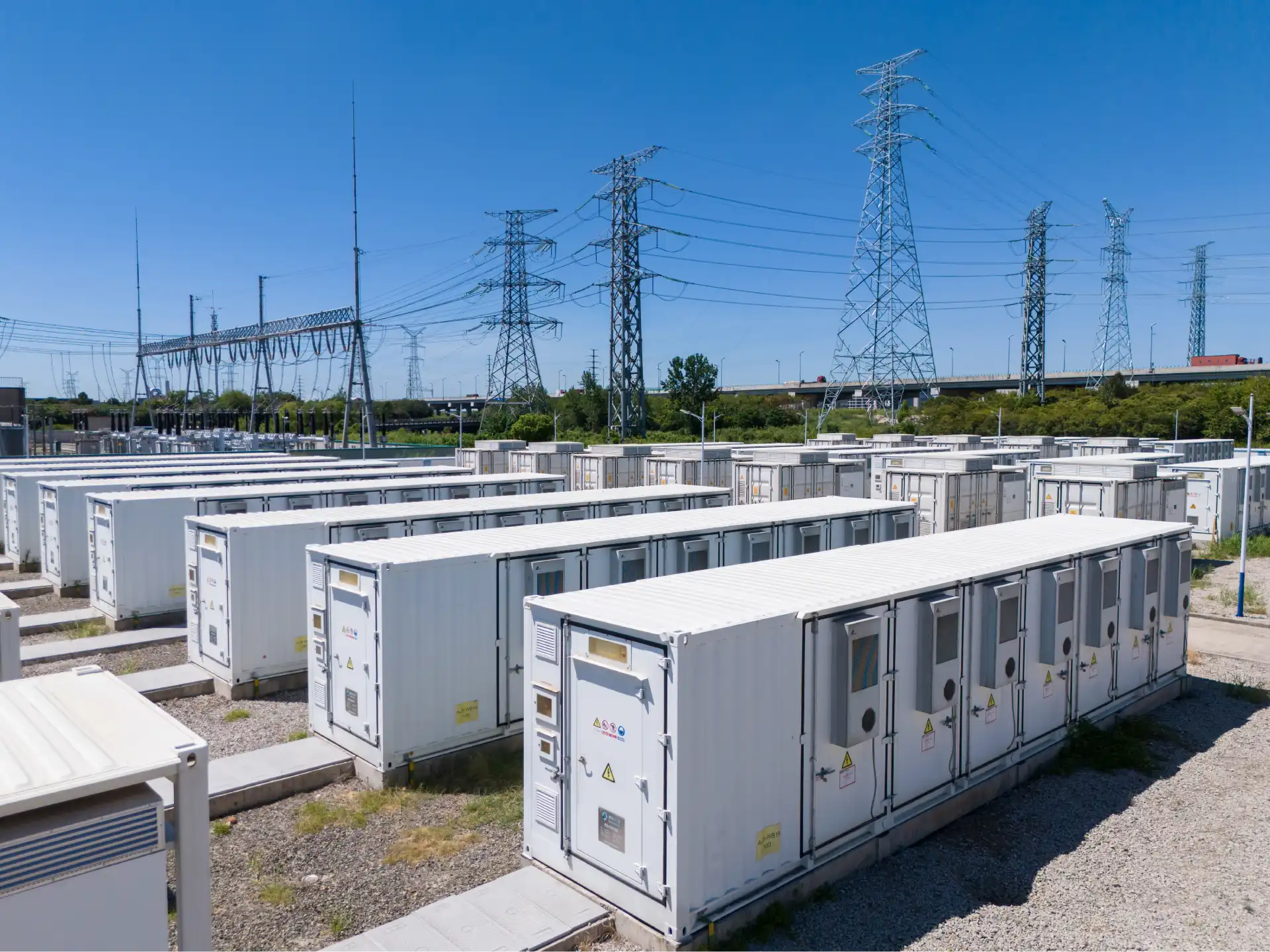
FR3 fire-safe transformers play a decisive role in Tier III AI data centers because they address both fire safety compliance and extreme thermal stress created by high-density computing. Tier III facilities are designed for concurrently maintainable operation, meaning each critical component must allow maintenance without service interruption. AI workloads increase electrical intensity, harmonic distortion, and thermal loading beyond traditional enterprise IT levels. Conventional mineral oil transformers struggle under sustained high temperature conditions and pose greater fire risk. FR3 fire-safe transformers combine enhanced fire resistance with improved thermal endurance, aligning safety, redundancy, and uptime requirements in mission-critical AI environments.
Understanding Tier III redundancy and fire protection expectations
Tier III standards require dual power paths and concurrently maintainable systems so that no single maintenance event disrupts operations. Electrical infrastructure must tolerate component isolation without facility shutdown. Fire safety becomes a central compliance issue because a transformer fire can compromise redundant paths simultaneously. Regulatory authorities and insurers often impose strict separation distances and fire suppression measures for mineral oil units. Tier III operators therefore seek solutions that inherently reduce fire hazard probability. Integrating safer insulating fluids simplifies compliance with data center fire zoning rules. Electrical resilience and fire containment design must function together to preserve continuous AI computing availability.
Fire performance difference between FR3 and mineral oil
FR3 fluid is classified as a K-class less-flammable insulating liquid with a fire point above 360°C, more than double that of conventional mineral oil. This high fire point enables self-extinguishing behavior when exposed to ignition sources. Mineral oil, by contrast, can sustain combustion once ignited under fault conditions. The elevated ignition threshold of FR3 significantly reduces the probability of pool fires and cascading infrastructure damage. In Tier III AI data centers where zero tolerance for catastrophic downtime exists, this difference becomes strategically important. Fire-resistant fluid selection directly supports both safety compliance and uptime protection objectives.
Handling extreme AI power density and thermal stress
AI workloads drive unprecedented power density in modern facilities. Transformer units serving GPU clusters experience severe thermal stress due to continuous high load operation. FR3 fluid allows transformers to operate up to 20°C warmer than mineral oil designs without compromising insulation life. This thermal advantage can enable approximately 20% greater load capacity within the same physical footprint. Higher thermal class tolerance supports dense rack deployment without enlarging electrical rooms. Operators benefit from improved power density while maintaining safe insulation performance. Thermal flexibility therefore aligns with both space optimization and high-performance AI deployment strategies.
Harmonic resilience under nonlinear AI loads
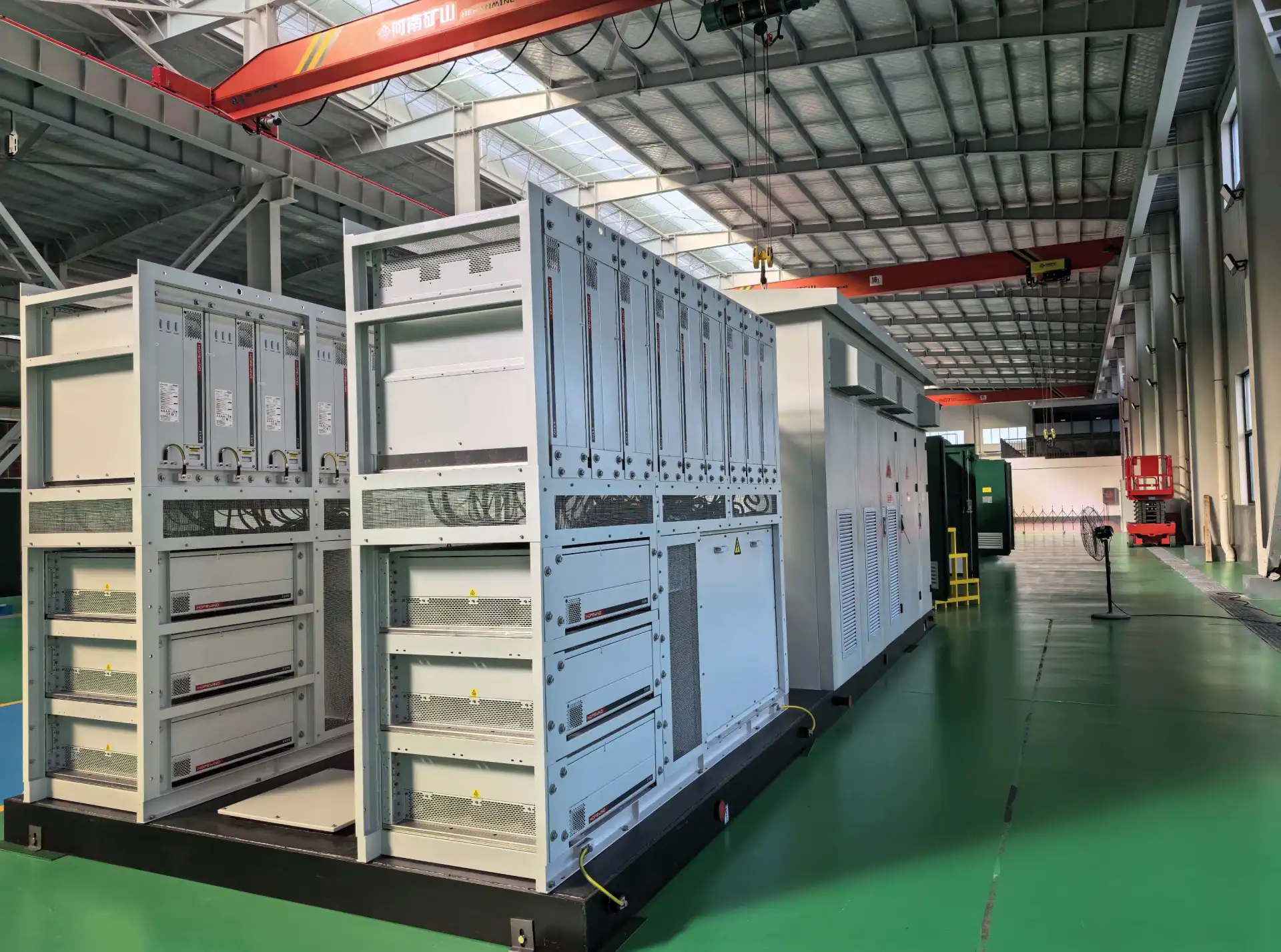
High-frequency harmonics generated by AI hardware introduce additional electrical stress within transformer insulation systems. FR3 fluid exhibits a higher partial discharge inception voltage compared to mineral oil, which helps mitigate disturbances caused by harmonic rich environments. Improved dielectric strength reduces the likelihood of premature insulation degradation under distorted waveforms. Harmonic resilience becomes increasingly relevant as GPU switching frequencies and server density expand. While FR3 does not eliminate harmonics, it enhances insulation tolerance against their effects. This added electrical robustness supports stable long-term operation in nonlinear AI power systems.
Supporting Tier III uptime and concurrent maintainability
Tier III architecture requires that any transformer be removable for maintenance without shutting down operations. Reduced fire risk directly enhances this maintainability principle. Because FR3 is self-extinguishing and classified as less flammable, transformers using this fluid can often be installed closer to buildings or critical equipment compared to mineral oil units. This flexibility may reduce the need for costly blast walls or extensive fire suppression enclosures. Simplified spatial planning supports the creation of fully redundant electrical paths within limited site boundaries. Fire-safe transformer placement therefore strengthens both redundancy execution and compliance with strict uptime expectations.
Long-term insulation reliability and moisture management
Moisture accumulation accelerates insulation aging in traditional mineral oil transformers. FR3 fluid actively wicks moisture away from cellulose paper insulation and consumes it through hydrolysis. This moisture management mechanism can extend insulation life by five to eight times compared to mineral oil systems. Extended insulation longevity is essential for mission-critical AI operations that cannot tolerate unexpected equipment failure. Longer life expectancy also reduces lifecycle replacement frequency and associated downtime planning complexity. Reliability enhancement through moisture control contributes to overall Tier III operational stability and long-term asset protection.
Proven safety record in mission-critical applications
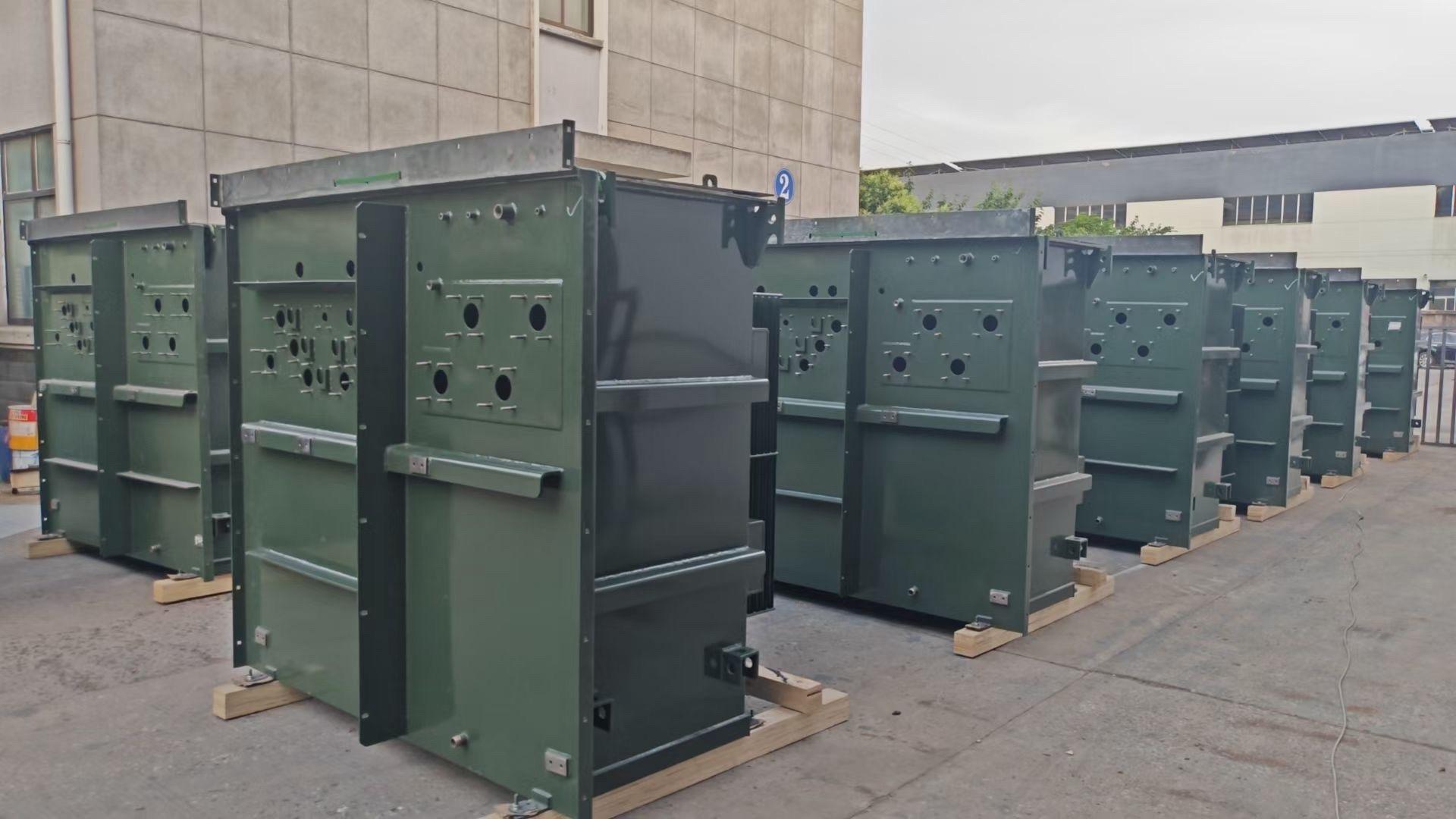
Operational history supports the adoption of FR3 fire-safe transformers in high-stakes environments. With more than 3.5 million units deployed globally and zero reported pool fires over nearly three decades, FR3 technology demonstrates a strong real-world safety record. This documented performance reassures operators, insurers, and regulatory authorities. Safety validation through long-term field data complements laboratory fire testing classifications. For Tier III AI data centers where reputational and financial risks are substantial, proven technology reduces uncertainty. Evidence-based safety performance strengthens compliance justification during project approval and risk assessment reviews.
Comparative overview: FR3 versus mineral oil
| Parameter | FR3 Fluid Transformer | Mineral Oil Transformer |
|---|---|---|
| Fire Point | >360°C | ~160°C |
| Fire Behavior | Self-extinguishing | Combustible |
| Thermal Capacity | Up to 20°C higher operation | Lower thermal margin |
| Load Increase Potential | Up to 20% within same footprint | Limited by temperature rise |
| Moisture Management | Absorbs and consumes moisture | Moisture accumulates |
| Suitability for Tier III AI | Highly aligned | Requires additional fire controls |
Alignment with data center fire and electrical codes
Fire zoning, separation distance, and suppression system requirements significantly influence electrical room design. Using FR3 fluid may reduce the scale of required containment structures and simplify coordination with building fire authorities. Designers should reference the Data Center Fire and Electrical Safety Code Guide for detailed compliance interpretation. Integration of fire-safe transformers supports alignment with insurance guidelines and local fire codes. Early coordination between electrical engineers and safety consultants prevents redesign delays. Compliance driven selection enhances project approval speed and long-term operational security in AI facilities.
Awareness stage conclusion and next step
FR3 fire-safe transformers are critical for Tier III AI data centers because they combine elevated fire resistance, enhanced thermal capacity, harmonic resilience, and extended insulation life within one integrated solution. Their >360°C fire point and self-extinguishing characteristics directly reduce catastrophic fire risk. Improved load capacity and moisture management address extreme AI power density challenges. Proven operational history strengthens compliance credibility. Facilities seeking deeper evaluation should move toward Industry · Solution Comparison (Consideration), where lifecycle cost, spatial planning, and alternative fire mitigation strategies can be assessed in detail.
FAQ
Why is fire point above 360°C important for Tier III facilities?
A fire point above 360°C significantly lowers the probability of sustained combustion during internal electrical faults. Tier III facilities require continuous operation even during maintenance or localized failures. A transformer fire could compromise redundant power paths simultaneously, leading to unacceptable downtime. FR3 fluid’s high fire point and self-extinguishing classification reduce that risk. Lower combustion likelihood simplifies compliance with fire zoning and insurance requirements. This thermal stability becomes particularly important in AI data centers with dense electrical infrastructure operating near maximum capacity.
Can FR3 transformers fully replace fire suppression systems?
FR3 fire-safe transformers reduce inherent fire risk but do not eliminate the need for comprehensive fire protection strategies. Building codes and insurance standards may still require detection and suppression systems. However, because FR3 is less flammable, required protective infrastructure can often be simplified compared to mineral oil installations. Reduced blast wall construction and separation distances may lower capital cost and spatial constraints. Final design decisions should be validated with local fire authorities and compliance specialists.
How does moisture management extend transformer life?
FR3 fluid absorbs moisture from paper insulation and chemically consumes it through hydrolysis. Reduced moisture content slows cellulose degradation and preserves dielectric strength over time. Mineral oil does not actively consume moisture, allowing accumulation that accelerates insulation aging. Extended insulation life directly supports long-term reliability in AI data centers that operate continuously under heavy load. Improved moisture control therefore contributes to lower lifecycle risk and greater operational stability in mission-critical environments.