
What are dry type transformers?
-
what are dry type transformers and where are they suitable? Review applications, limits, checklist points, and comparison insights.
What are dry type transformers in simple operational terms
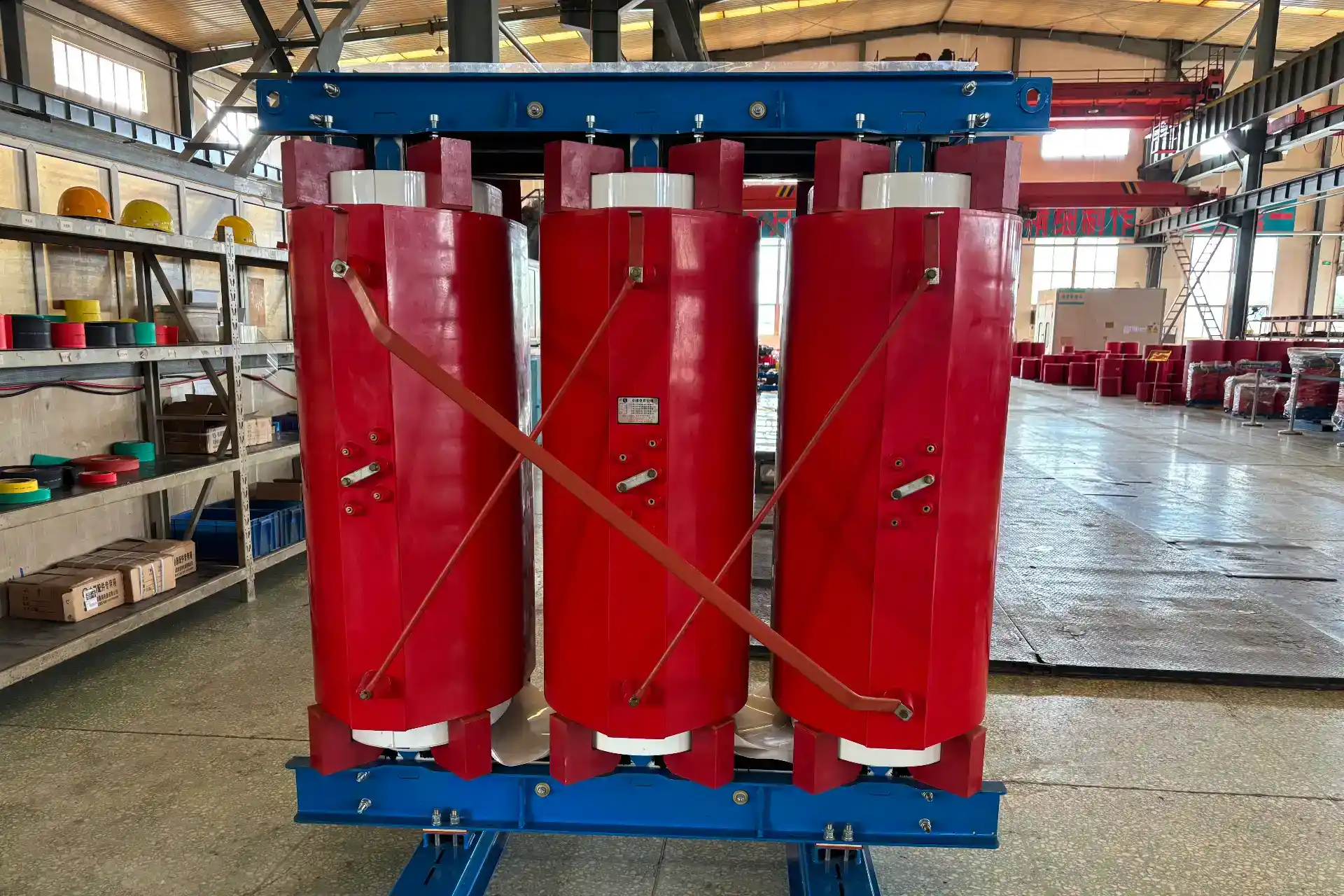
What are dry type transformers describes transformers that use air or solid resin insulation instead of liquid oil to isolate windings and manage heat. Electrical energy transfers between primary and secondary windings through electromagnetic induction. Solid insulation materials surround conductors and prevent short circuits. Heat dissipates through natural airflow or assisted ventilation systems. No oil tank or fluid circulation system exists inside the structure. This configuration reduces leakage exposure and simplifies indoor placement. Engineers value predictable insulation aging under stable environments. Facility managers appreciate easier inspection access without oil testing routines. The concept becomes clearer when compared with oil immersed designs. Practical understanding begins with structure and cooling differences.
Where dry type transformers are commonly applied
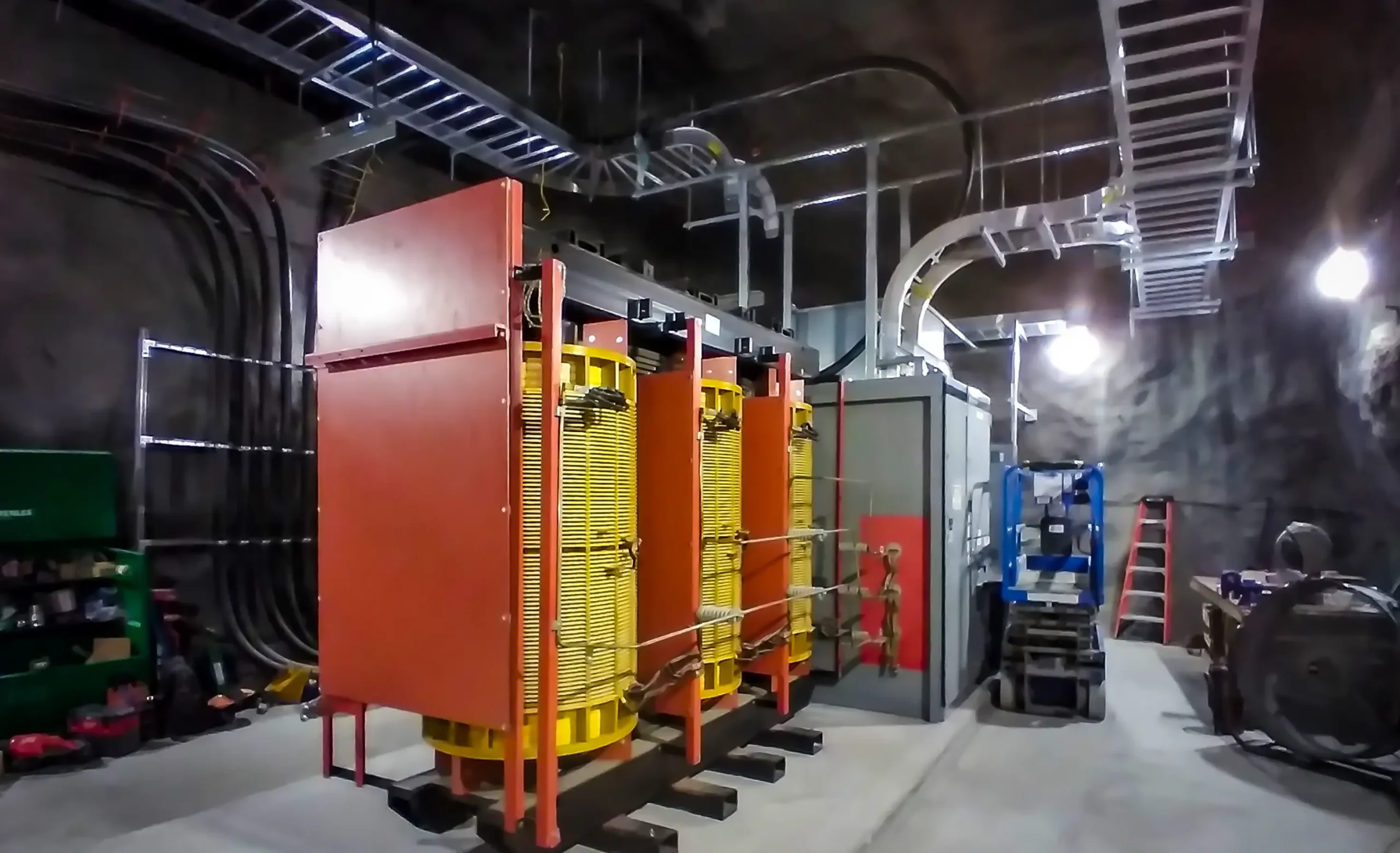
Application suitability depends heavily on safety demands and installation constraints. Commercial office towers frequently install dry type units inside electrical rooms. Hospitals rely on them near operating theaters and diagnostic zones. Educational campuses choose them for high occupancy buildings. Data centers integrate them into controlled indoor environments. Underground transportation systems benefit from compact oil free construction. Light industrial plants use them in clean production areas. Renewable energy inverter rooms often include dry type distribution. These settings share strict safety rules and limited space. Reduced environmental risk supports faster approval processes. Indoor proximity to loads also reduces cable losses.
Where dry type transformers reach practical boundaries
Boundary recognition prevents unrealistic performance expectations. Utility scale transmission substations often prefer oil cooled equipment for higher capacity density. Extremely high ambient temperatures may challenge air cooling performance. Continuous overload conditions require careful thermal margin evaluation. Remote sites without ventilation management may face heat buildup. Outdoor heavy industrial zones sometimes favor sealed liquid cooled units. Large grid interconnection points may prioritize maximum efficiency at high ratings. These scenarios highlight where oil immersed systems remain competitive. Balanced awareness requires understanding both suitability and limitation.
Structural differences compared with oil immersed transformers
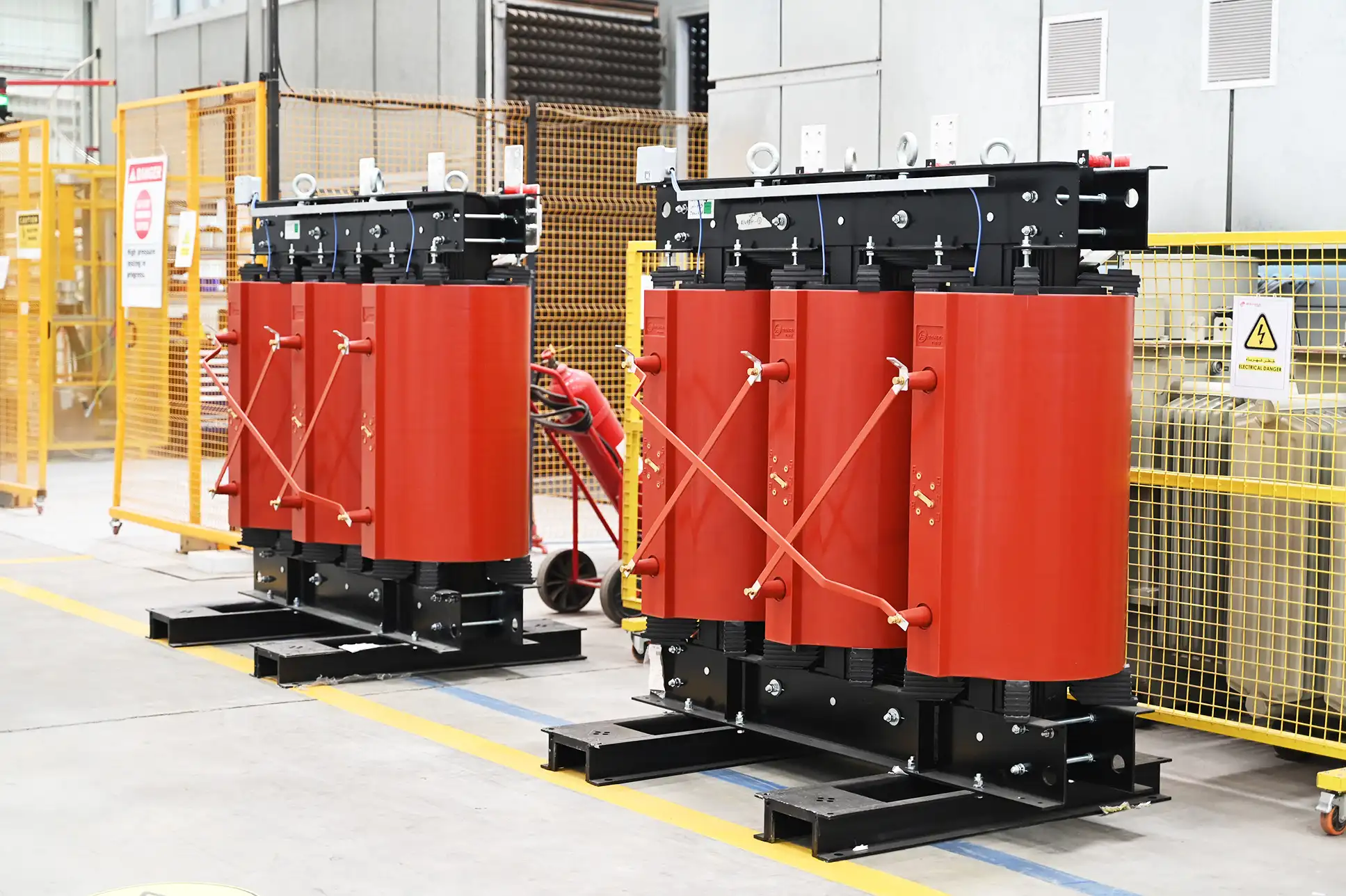
Design architecture defines operational behavior and risk profile. Dry type transformers rely on cast resin or vacuum pressure impregnation insulation. Oil immersed units circulate mineral oil around windings for cooling. Absence of oil eliminates spill containment infrastructure. Cooling efficiency differs under identical kVA ratings. Indoor installation becomes simpler without fluid handling rules. Maintenance shifts from oil analysis to visual inspection and thermal scanning. Environmental reporting obligations reduce significantly. Structural comparison clarifies tradeoffs before deeper evaluation.
Core performance parameters that define dry type transformers
Performance understanding requires attention to measurable technical factors. Rated voltage determines insulation thickness requirements. Rated capacity influences conductor size and thermal design. Temperature rise class affects insulation aging speed. Impedance percentage impacts fault current behavior. No load and load losses determine efficiency performance. Sound level ratings affect indoor comfort compliance. Protection class defines dust and moisture resistance. Each parameter interacts with real operating conditions. Awareness stage focuses on recognizing their importance before detailed selection.
Three judgment points before considering dry type transformers
Early filtering improves decision efficiency and reduces mismatch risk. The following checklist supports structured awareness evaluation.
- Confirm installation environment safety requirement and occupancy level
- Evaluate expected load profile and ambient temperature condition
- Assess maintenance resources and inspection capability
Why the three judgment points reduce application risk
Installation environment defines whether oil free insulation becomes essential. High occupancy buildings increase liability exposure under fire scenarios. Load profile influences conductor sizing and thermal margin directly. Ambient temperature affects heat dissipation performance significantly. Maintenance capability determines inspection frequency and reliability sustainability. Limited technical staff favors simpler equipment designs. Combined evaluation creates realistic expectation boundaries. This approach prevents unsuitable specification during later stages. Clear early judgment reduces procurement delays.
Typical application comparison table
| Application | Main Advantage | Primary Risk Avoided | Reason for Suitability |
|---|---|---|---|
| Hospital | Fire safety | Oil leakage | Indoor high occupancy |
| Data Center | Operational continuity | Contamination | Controlled environment |
| School | Public protection | Fluid hazard | Regulatory compliance |
| Metro Station | Compact structure | Spill containment | Underground space limit |
| Factory | Clean production | Environmental pollution | Dust managed indoor area |
How the comparison table clarifies suitability boundaries
The table links each application with its operational priority. Hospitals emphasize life safety and indoor compliance. Data centers focus on continuity and environmental control. Schools prioritize public protection and regulatory alignment. Metro stations require compact equipment for underground layouts. Factories demand contamination free production conditions. Each row demonstrates how dry type design addresses a specific risk. Comparative perspective supports clearer awareness decisions. Readers can now see patterns rather than isolated cases.
Compliance and regulatory awareness considerations
Electrical equipment must satisfy regional codes and safety standards. Fire classification affects indoor acceptance significantly. Sound level limits apply in urban environments. Efficiency targets influence sustainability planning. Documentation transparency supports inspection approval processes. Manufacturers provide certification evidence for review. Early awareness of compliance requirements prevents redesign later. Regulatory context therefore shapes initial feasibility assessment. Awareness stage transitions naturally into structured selection.
Moving from awareness to structured selection
Understanding what are dry type transformers establishes conceptual clarity. Application suitability and boundaries define realistic expectations. Three judgment points provide practical filtering criteria. Comparison table illustrates alignment between risk and benefit. Readers prepared for deeper evaluation should review specification details next. The Dry Type Transformer Basics and Selection Pillar offers parameter level guidance. CTA: View FAQ below for additional clarification before moving forward. Next stage leads to Dry Type Transformers · Selection (Consideration) where rating alignment becomes central.
FAQ
What are dry type transformers mainly designed to achieve
Dry type transformers mainly aim to provide safe indoor power distribution without using liquid insulation. Designers prioritize fire risk reduction and simplified maintenance. Indoor facilities benefit from oil free construction because spill containment is unnecessary. Operational teams gain easier inspection access and predictable service routines. These advantages make dry type systems common in commercial and institutional buildings. Suitability still depends on load and environmental factors. Proper rating ensures stable long term performance under defined conditions.
Are dry type transformers always safer than oil immersed units
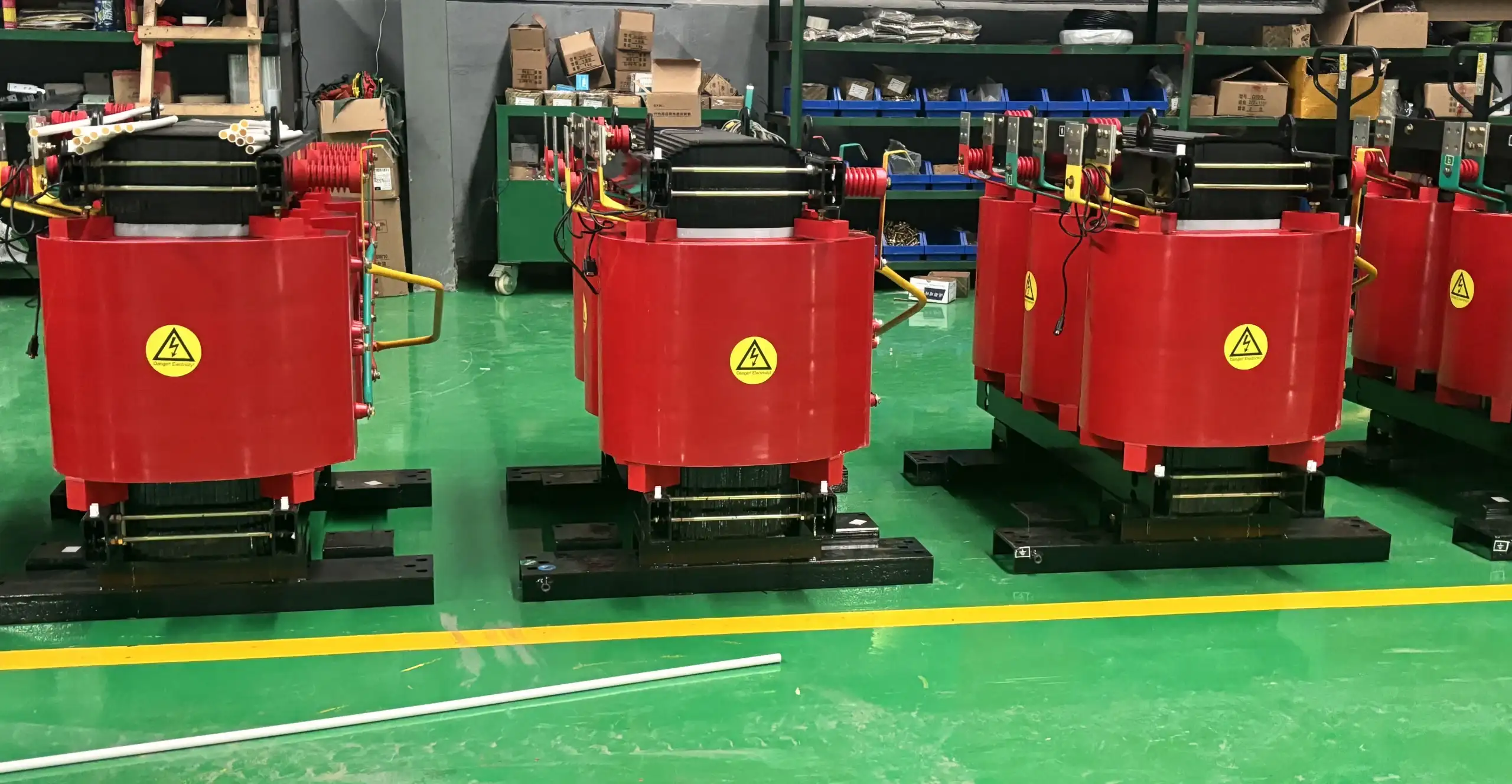
Safety depends on context and application environment. Dry type transformers reduce leakage and fire propagation risk indoors. High occupancy buildings often prefer this advantage strongly. Oil immersed units may perform better for very high outdoor capacities. Extreme ambient heat sometimes favors liquid cooling systems. Evaluating environmental risk and electrical demand provides balanced comparison. Appropriate selection determines real safety performance.
Do dry type transformers require different maintenance planning
Maintenance planning focuses on inspection and ventilation management. Technicians check connections and insulation condition regularly. Thermal scanning identifies abnormal hotspots early. No oil analysis schedule complicates routine workflow. Cleaning air passages preserves cooling efficiency. Controlled environments extend service intervals significantly. Lifecycle reliability depends on correct specification and installation quality. Proper maintenance planning supports long service duration.