Which applications benefit most from transformer dry type?
-
Transformer dry type suits buildings, hospitals, transit, and industry. Review application checklist, risks, and benefits for safe electrical deployment decisions.
Transformer dry type overview
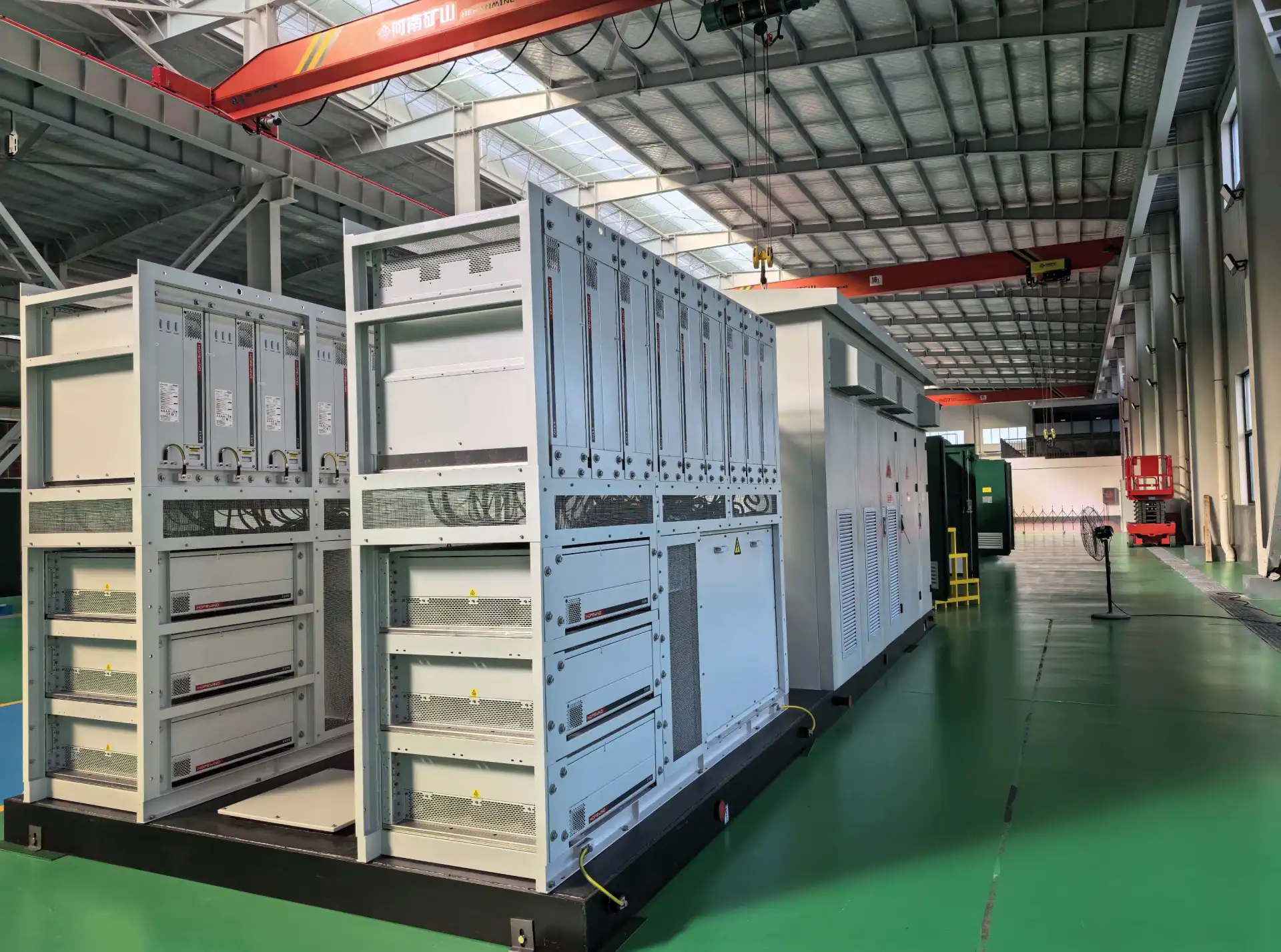
transformer dry type operates without insulating oil and uses air or resin insulation. Buildings prefer it because leakage risk stays low and maintenance remains simple. Designers often place units near loads to reduce cable length and voltage drop. Fire safety improves since no flammable liquid exists inside windings. Operators also avoid oil sampling and periodic fluid treatment tasks. Urban projects value this feature when indoor installation becomes mandatory. Hospitals and schools often demand safer equipment for crowded environments. Compact enclosures allow placement inside electrical rooms with limited ventilation. Engineers choose dry insulation to meet strict indoor compliance rules. This context leads buyers toward application based evaluation.
Why buildings prefer indoor safety equipment
Commercial complexes require reliable energy yet demand minimal hazard exposure. transformer dry type fits indoor distribution rooms and basement substations well. Insurance policies often reward oil free equipment with lower premiums. Emergency exits remain accessible because spill containment pits are unnecessary. Architects gain flexibility when electrical rooms shrink in size. Shopping malls operate long hours so maintenance downtime must stay minimal. Dry insulation supports quick inspection without draining or filtering liquids. Facility managers appreciate predictable behavior across seasonal temperature swings. Combined factors make office towers and public buildings frequent adopters.
Healthcare environments and reliability needs
Medical equipment demands stable voltage and low contamination risk. transformer dry type suits operating rooms and imaging departments effectively. Magnetic resonance systems require electromagnetic cleanliness and steady thermal performance. Resin encapsulation limits moisture intrusion and prevents insulation aging. Hospitals also value low smoke emission under fault conditions. Backup generators integrate easily because switchgear rooms remain compact. Maintenance teams avoid chemical handling tasks that complicate hospital procedures. Continuous operation requirements push designers toward dry insulated distribution. Patient safety standards reinforce the same selection decision.
Educational campuses and public safety
Schools contain dense occupancy and strict evacuation regulations. transformer dry type allows installation close to classrooms and laboratories. Fire inspectors favor designs without combustible insulating liquids. Noise levels remain manageable for study environments when vibration pads are used. Universities expand frequently so modular electrical rooms simplify upgrades. Energy labs and workshops require frequent inspection access. Dry insulation helps students observe equipment safely during technical courses. Budget planners appreciate lower lifetime environmental compliance costs. Public institutions therefore rely on this configuration widely.
Industrial workshops and clean production
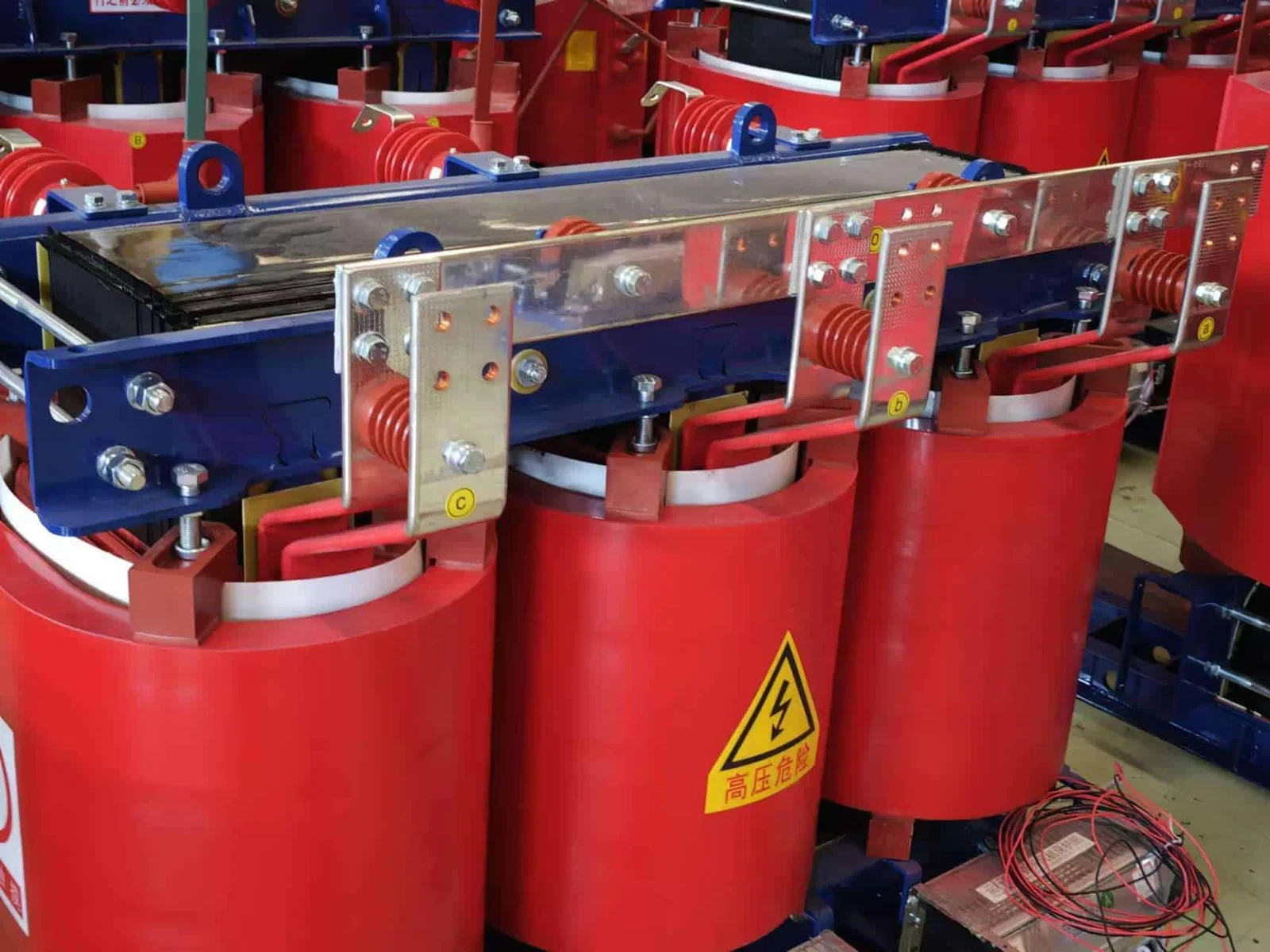
Light manufacturing areas contain dust and vibration challenges. transformer dry type tolerates these conditions using sealed resin windings. Food factories avoid contamination risks associated with oil leakage. Electronics assembly lines maintain air cleanliness standards more easily. Maintenance crews can clean surfaces using compressed air routines. Production lines remain active while inspections occur nearby. Small industrial parks adopt indoor substations to save land usage. Environmental certifications become easier when no fluid disposal process exists. Industrial reliability and cleanliness combine into strong selection logic.
Renewable energy facilities and distributed power
Solar buildings and wind connected microgrids often sit near populated zones. transformer dry type integrates well inside inverter rooms and rooftop stations. Reduced weight helps installation on elevated platforms or parking structures. Energy storage rooms need equipment with minimal fire propagation risk. Smart grid monitoring benefits from accessible temperature sensors on dry windings. Operators can check conditions without shutdown procedures. Sustainable projects value equipment with simpler recycling requirements. Distributed generation therefore increases demand for this solution.
Transportation hubs and underground infrastructure
Metro stations and tunnels require compact and safe electrical supply. transformer dry type operates in confined areas with limited ventilation shafts. Fire safety regulations in transport systems remain extremely strict. Oil containment pits cannot fit inside narrow underground chambers. Maintenance access often occurs during short night windows. Dry insulation reduces service complexity and speeds inspection tasks. Passenger flow remains uninterrupted during routine checks. Airports and rail terminals thus adopt this equipment extensively.
Data centers and high continuity operation
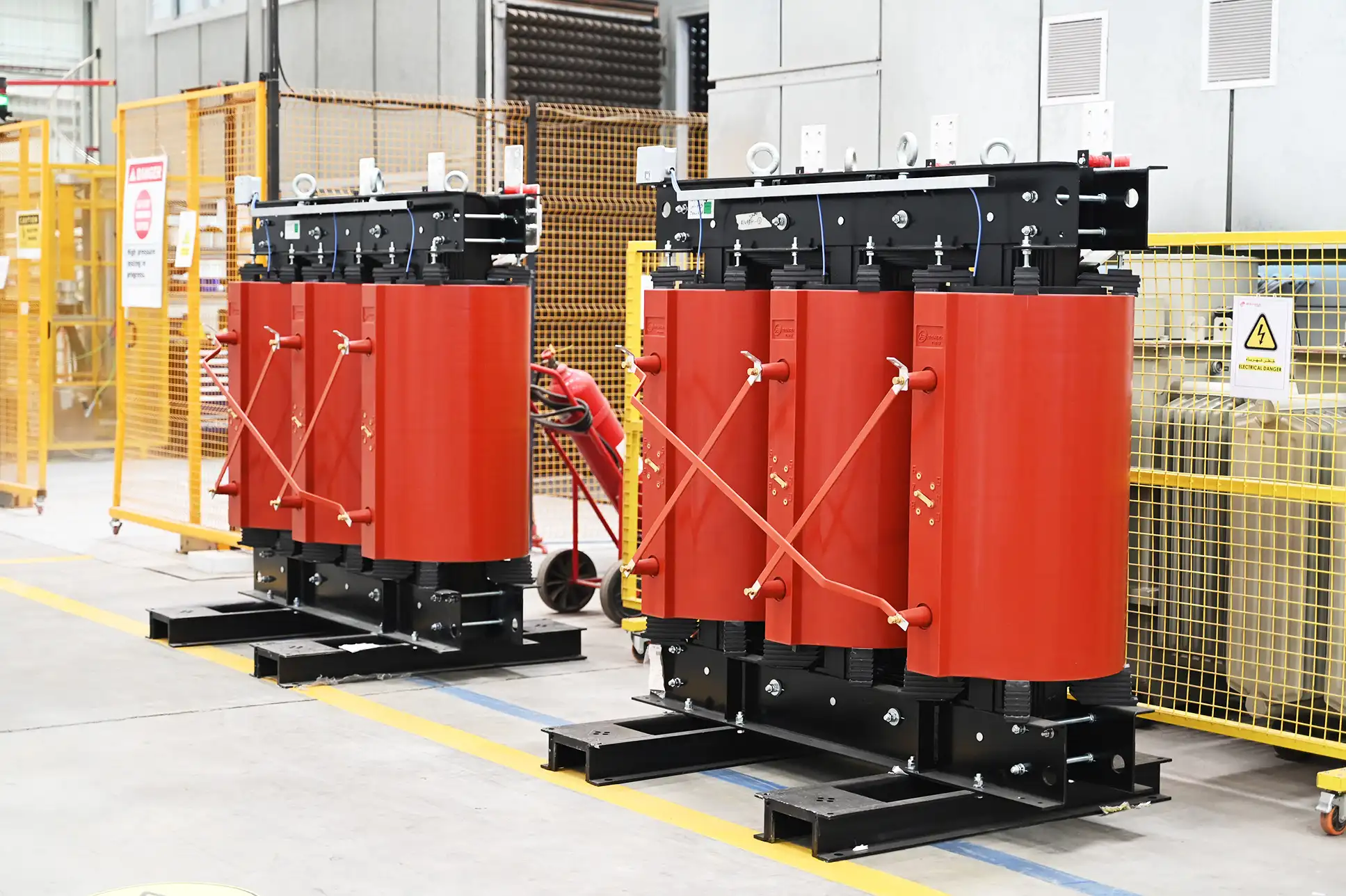
Servers demand uninterrupted power and strict thermal stability. transformer dry type works inside white space support rooms safely. Cooling airflow already exists so heat dissipation becomes manageable. No oil means no contamination risk to sensitive electronics. Monitoring systems integrate temperature probes and alarm outputs easily. Operators respond quickly to overload trends and adjust loads. Modular expansion supports growing server racks without redesigning pits. High availability infrastructure therefore benefits strongly.
10 point checklist for application decision
-
Indoor installation required — reduces fire risk exposure
-
Limited space available — improves layout flexibility
-
High occupancy building — increases safety margin
-
Environmental permit strict — avoids oil disposal cost
-
Maintenance staff limited — simplifies inspection tasks
-
Clean production needed — prevents contamination issues
-
Renewable integration planned — supports compact stations
-
Underground location — removes spill containment need
-
Noise control important — manageable acoustic design
-
Fast project schedule — easier installation logistics
10 point checklist for application decision explanation

Each checklist item links directly to a project risk or benefit factor. Indoor requirements reduce regulatory approval delays significantly. Space limits encourage compact electrical infrastructure planning. High occupancy increases liability exposure which dry insulation mitigates effectively. Environmental rules influence lifecycle cost calculations strongly. Staffing limitations affect operational reliability across long periods. Clean production avoids product rejection and compliance penalties. Renewable integration requires flexible equipment placement near generation sources. Underground placement eliminates containment engineering complexity entirely. Noise management protects human comfort and equipment perception quality. Fast schedules accelerate project revenue generation timelines.
Comparison of typical application environments
| Application | Main Benefit | Main Risk Avoided |
|---|---|---|
| Hospital | Safety | Oil fire |
| Data Center | Continuity | Contamination |
| School | Public protection | Leakage hazard |
| Metro Station | Compact install | Spill containment |
| Factory | Clean production | Fluid pollution |
Comparison of typical application environments explanation
The table shows how transformer dry type aligns with different operational priorities. Hospitals emphasize safety while data centers emphasize uptime continuity. Schools focus on public protection and regulatory acceptance. Transportation infrastructure prioritizes compact installation inside constrained spaces. Industrial facilities require contamination free production conditions. Matching application priorities to benefits improves purchase confidence. Decision makers can now progress toward specification evaluation. Next stage involves dry type transformer selection considerations.
FAQ
Why do indoor projects frequently choose transformer dry type?
Indoor projects often operate under strict fire and environmental regulations. transformer dry type removes oil handling and storage obligations entirely. Insurance policies typically classify installations as lower hazard equipment. Maintenance crews can inspect windings visually without shutdown delays. Building owners gain flexibility in equipment room placement and ventilation design. These combined advantages reduce lifecycle operational uncertainty significantly.
Does transformer dry type reduce maintenance workload?
Maintenance workload drops because oil sampling and filtering disappear completely. Visual inspection and thermal scanning replace fluid analysis procedures. Cleaning surfaces requires simple dry methods instead of chemical handling. Technicians therefore complete periodic checks faster and safer. Operational teams also avoid environmental reporting tasks related to oil disposal. Overall reliability remains predictable across many service years.

Are there limits where transformer dry type is unsuitable?
Very high outdoor voltage transmission sometimes prefers oil cooled equipment. Extreme ambient heat without ventilation can challenge cooling capacity. Projects with heavy overload cycles may need specialized thermal design. However most building distribution and medium voltage networks operate well. Engineers evaluate load profile and environment before specification selection. Proper rating ensures dependable performance across operating conditions.