
What is dry-type transformer and where is it used?
-
Dry-type transformer applications, suitability, risks, and alternatives explained to support safe and efficient power distribution decisions.
Understanding what a dry-type transformer really is
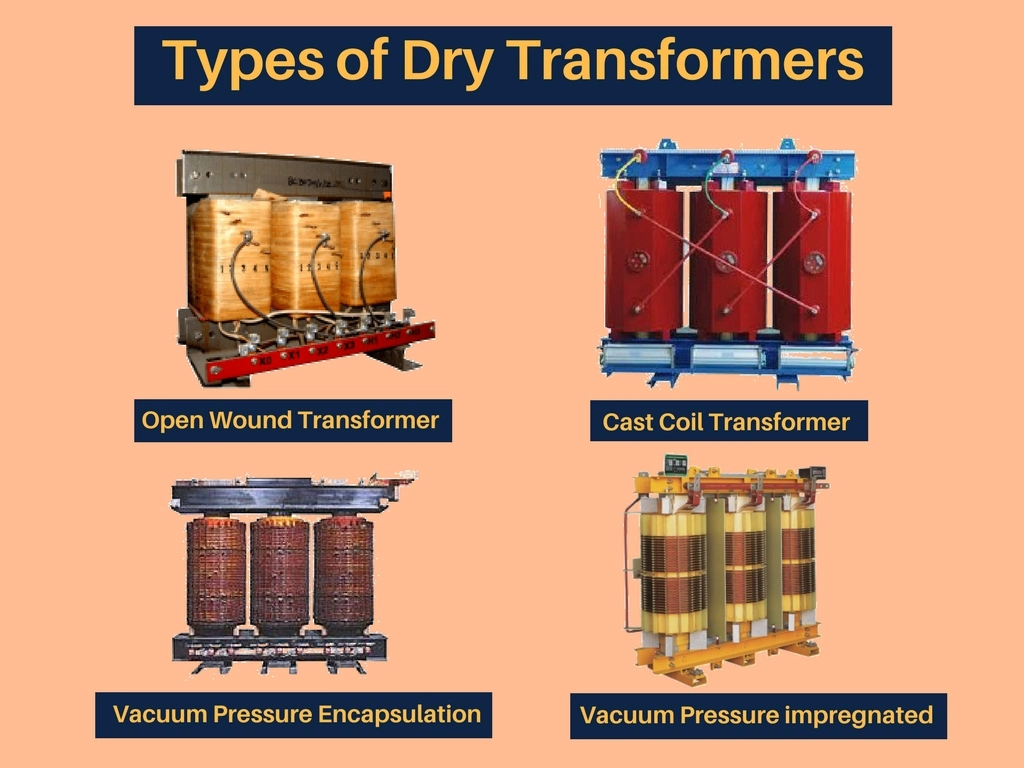
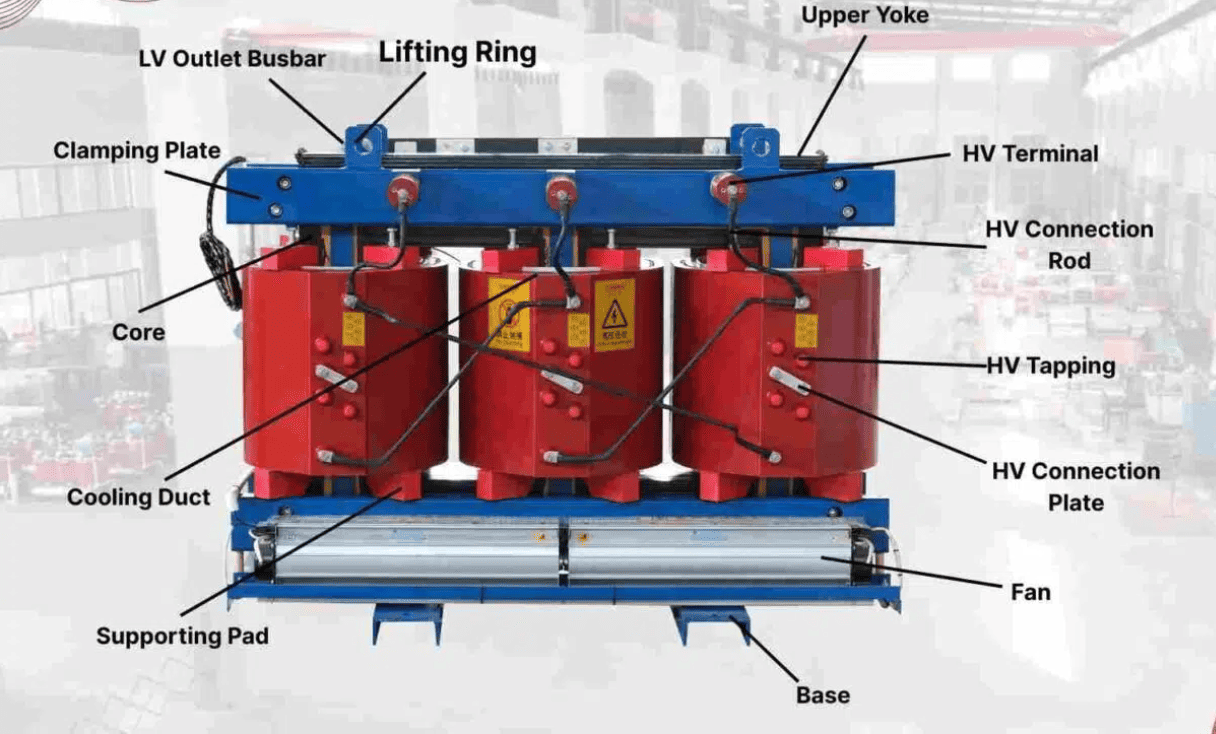
Dry-type transformer is a power transformer that uses air or solid insulation materials instead of insulating oil to cool and insulate its windings and core. Unlike oil-filled transformers, no liquid dielectric medium is involved in the cooling process, which means the internal structure is typically encapsulated in resin or reinforced with vacuum pressure impregnation systems to ensure electrical insulation and mechanical strength. Because no oil is present, the risk of leakage, fire spread, or environmental contamination is significantly reduced, making this type of transformer especially suitable for indoor installations and public-access facilities. Electrical energy is transferred through electromagnetic induction in the same way as other transformers, yet the cooling and insulation approach fundamentally changes installation flexibility, maintenance demand, and safety profile. As a result, dry-type transformer technology has become increasingly relevant in modern buildings, renewable integration points, and distributed energy systems.
Where is a dry-type transformer typically used?
Application scenarios for a dry-type transformer are strongly connected to safety, accessibility, and environmental considerations. Commercial buildings such as shopping malls, hospitals, data centers, and office complexes often rely on dry-type designs because fire safety regulations restrict the use of flammable insulating liquids indoors. Industrial facilities that require stable medium-voltage to low-voltage conversion in controlled indoor environments also benefit from their reduced maintenance characteristics. Renewable energy projects, especially solar and wind integration within substations or containerized units, frequently adopt dry-type transformers to simplify environmental compliance. Urban infrastructure projects, including metro systems and public transportation hubs, prefer this design due to low fire risk and compact installation advantages. When proximity to personnel or equipment is unavoidable, dry-type transformer solutions offer improved operational confidence compared with liquid-filled alternatives.
Where is a dry-type transformer not suitable?
Limitations should also be considered before selecting a dry-type transformer for a project. Outdoor environments with extreme temperature fluctuations, heavy airborne contamination, or high humidity may accelerate insulation aging if protective enclosures are not properly specified. High-capacity transmission-level applications that require superior cooling efficiency often favor oil-immersed transformers because liquid insulation provides stronger heat dissipation and allows higher overload tolerance. Remote installations where maintenance access is limited may still benefit from oil-based systems designed for heavy-duty outdoor performance. Additionally, extremely high short-circuit stress conditions may demand structural designs that exceed standard dry-type configurations. Decision-makers should therefore assess load profile, ambient conditions, and voltage class carefully before assuming universal suitability.
Quick decision reference: Suitable vs Not Suitable
| Application Condition | Suitable for Dry-Type Transformer | Not Ideal for Dry-Type Transformer |
|---|---|---|
| Indoor public buildings | Yes – high fire safety | No limitation |
| High-rise commercial complexes | Yes – compact & low maintenance | No limitation |
| Extreme outdoor exposure | Only with enclosure protection | Oil type often preferred |
| Very high MVA transmission | Limited | Oil-immersed recommended |
| Strict environmental compliance | Yes – no oil leakage risk | Oil containment required |
What risks should be evaluated before choosing a dry-type transformer?
Risk assessment plays a central role in early-stage transformer selection. Thermal buildup must be evaluated against expected load cycles to prevent premature insulation aging. Ventilation design should ensure adequate airflow, especially in enclosed electrical rooms where ambient temperature can rise significantly. Harmonic distortion in industrial systems may increase additional heating in windings, which should be factored into rating decisions. Environmental dust accumulation can reduce cooling efficiency over time if maintenance schedules are not defined. Acoustic performance may also influence installation choices in noise-sensitive environments such as hospitals or office towers. Addressing these variables early helps prevent underperformance and supports lifecycle reliability.
What alternatives exist and when should they be considered?
Oil-immersed transformers remain the primary alternative when higher capacity, stronger overload capability, or superior outdoor resilience is required. Liquid insulation enhances cooling efficiency and supports larger power ratings within similar footprints. However, oil-based systems introduce fire safety considerations and environmental containment requirements that may increase civil engineering costs. Gas-insulated transformer technologies are also emerging for specialized urban or underground substations, although capital investment and maintenance complexity are typically higher. Therefore, alternative selection should balance capacity needs, safety requirements, regulatory compliance, and total cost of ownership rather than focusing solely on initial equipment price.
Why choose Kerun Intelligent Control?
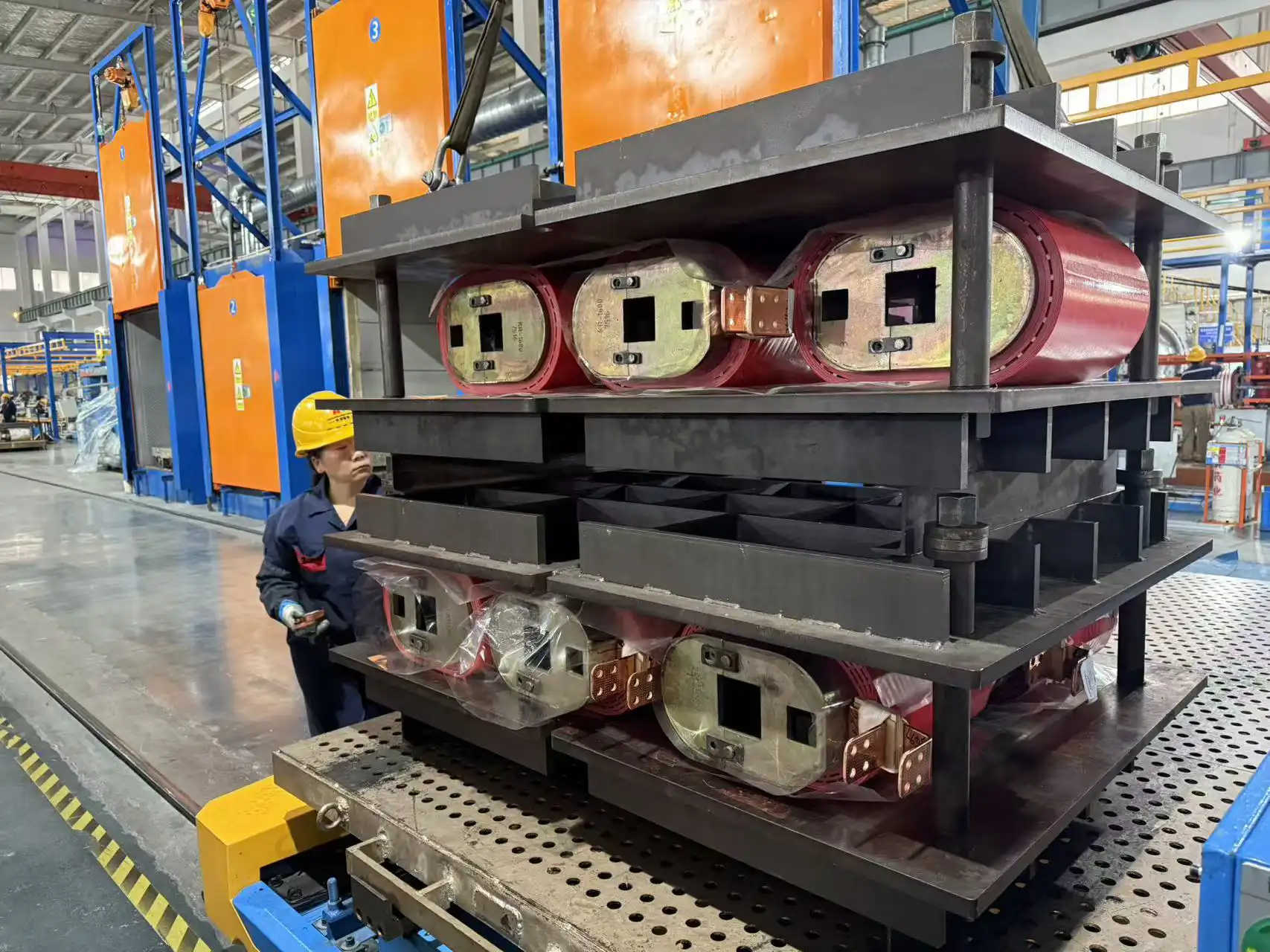
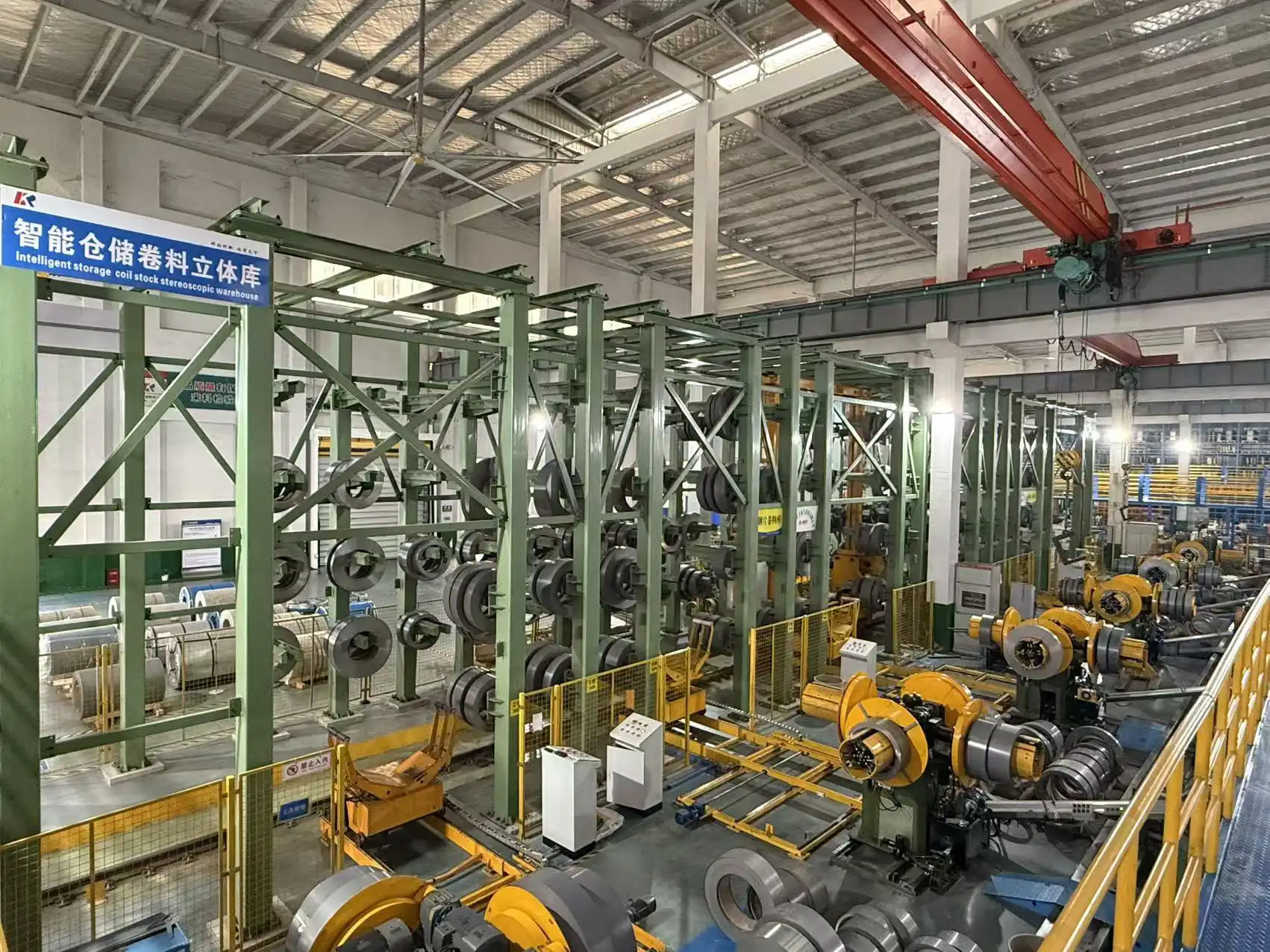
Why choose Kerun Intelligent Control? Kerun integrates engineering design, material selection, and rigorous testing into a unified quality management framework to ensure that each dry-type transformer performs reliably within its intended environment. Thermal design optimization is applied to control temperature rise margins and extend insulation life. Manufacturing processes are standardized with material traceability to maintain consistency across projects. Comprehensive testing, including routine and performance verification, is conducted before shipment. Project teams evaluate installation conditions and provide technical guidance tailored to specific load and environmental requirements. Long-term operational stability is prioritized over short-term cost competition, ensuring customers receive dependable solutions aligned with safety and efficiency expectations.
FAQ
How is a dry-type transformer cooled without oil?
Cooling in a dry-type transformer is achieved through natural air circulation or forced air systems that dissipate heat generated in the windings and core. Solid insulation materials such as epoxy resin encapsulate conductive components, ensuring dielectric strength while allowing heat transfer to surrounding air. Proper ventilation design is essential to maintain stable operating temperatures and prevent accelerated insulation aging.
Why is dry-type transformer preferred in public buildings?
Public buildings prioritize fire safety and environmental protection, making the absence of flammable insulating oil a major advantage. Installation closer to load centers reduces cable losses and simplifies distribution layout. Lower maintenance requirements and reduced leakage risk further support use in occupied environments.
How do I know if dry-type transformer is suitable for my project?
Suitability depends on voltage level, load profile, ambient temperature, space constraints, and regulatory requirements. Indoor commercial and light industrial projects typically align well with dry-type designs, while high-capacity outdoor transmission systems may require oil-based alternatives. A structured technical review is recommended before final selection.