How to choose dry type transformer cast resin?
-
Dry type transformer cast resin selection tips covering inquiry parameters, delivery milestones, safety advantages, and procurement-focused decision factors.
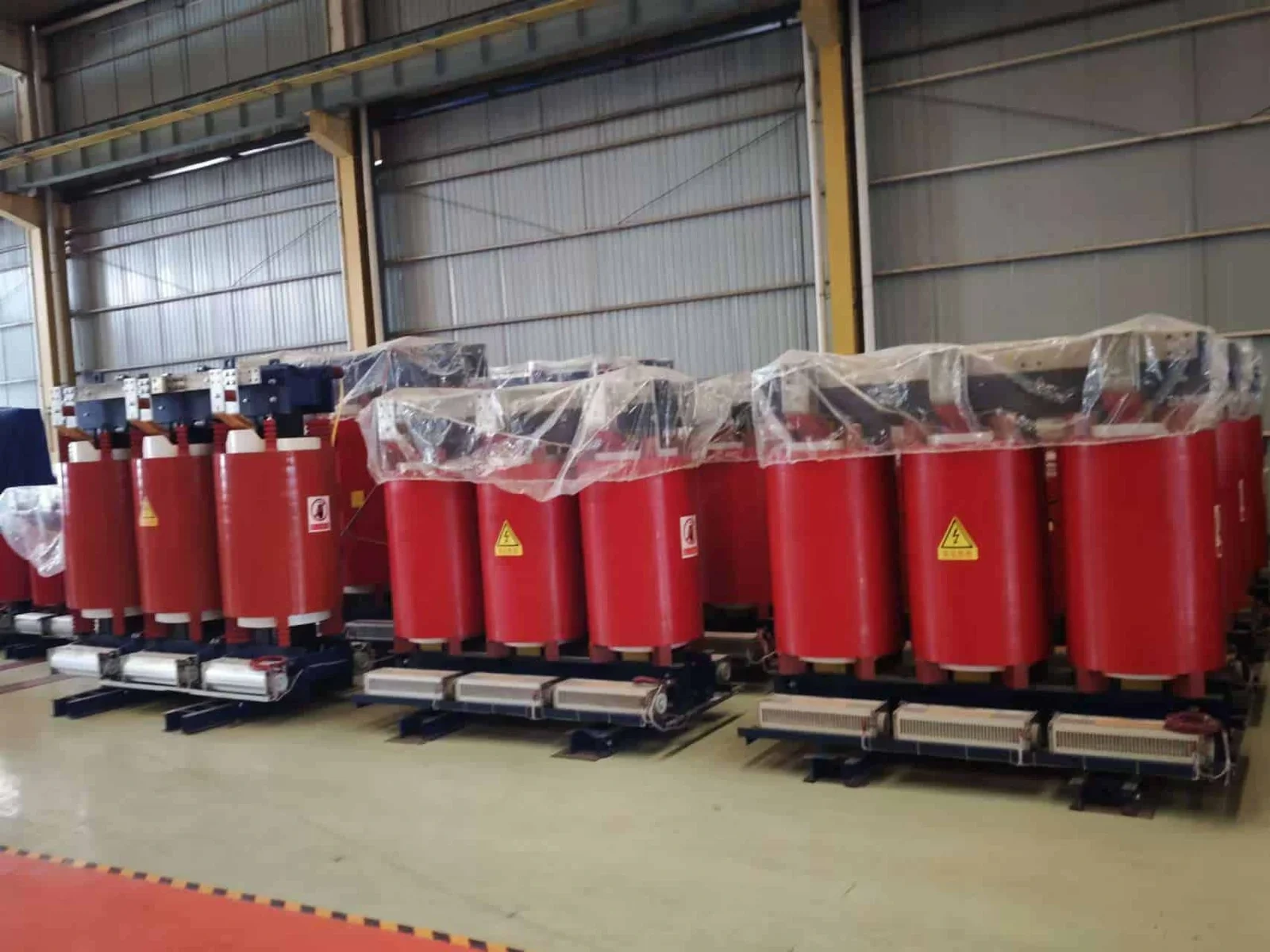
Dry type transformer cast resin solutions attract buyers who prioritize safety, indoor installation, and predictable delivery. From a procurement perspective, selection rarely starts with theory. Buyers usually begin with project constraints, compliance demands, and long-term operating expectations. Cast resin dry type transformers replace oil insulation with epoxy-encapsulated windings. That design improves fire safety and moisture resistance. Such advantages matter during early evaluation, especially for commercial buildings, factories, and public infrastructure. Understanding how to choose the right configuration helps procurement teams reduce risk before formal specification begins.
Why do buyers prefer cast resin dry type transformers?
Procurement teams often face strict safety approvals and space limitations. Cast resin dry type transformers solve these challenges through solid insulation and oil-free construction. Resin encapsulation prevents leakage and limits flame spread. Indoor substations benefit from cleaner operation and simplified permitting. Buyers also value stable performance under humidity and dust exposure. These factors reduce unexpected delays during project execution. Selection decisions therefore focus on insulation class, thermal behavior, and enclosure design rather than only price.
What problems arise during early purchasing stages?
Early purchasing stages often suffer from unclear parameters and incomplete inquiries. Suppliers receive vague requests that delay quotations. Buyers may overlook key technical data such as insulation class or cooling method. Inconsistent assumptions then cause revisions after drawings are issued. These issues extend lead times and complicate approvals. Clear parameter definition at the awareness stage prevents rework later. Procurement teams that prepare structured inquiries gain faster responses and better alignment.
Which parameters should be prepared before requesting a quotation?
Before contacting suppliers, buyers should organize a clear parameter list.
-
Rated capacity and voltage levels
-
Insulation class and temperature rise
-
Cooling method and enclosure type
-
Installation environment and altitude
-
Applicable standards and certifications

How this parameter list improves procurement efficiency
This parameter list creates a shared technical baseline. Suppliers can propose accurate configurations without assumptions. Engineering teams validate compliance faster. Commercial teams receive comparable pricing across vendors. Clear inputs also support internal approvals and budgeting. Preparing these details early shortens the path from awareness to structured consideration.
How does insulation class affect cast resin transformer selection?
Insulation class determines thermal endurance and service life. Cast resin transformers commonly use Class F or Class H insulation. Higher classes tolerate elevated temperatures without degradation. Buyers should match insulation class with load profile and ambient conditions. Over-specification increases cost without added value. Under-specification risks overheating and shortened lifespan. Balanced selection aligns performance with actual operating demands.
What role does cooling method play in purchasing decisions?
Cooling method influences size, noise, and efficiency. Natural air cooling suits moderate loads and quiet environments. Forced air cooling supports higher capacity within limited space. Procurement teams must consider ventilation availability and noise limits. Cooling choice also affects enclosure design and maintenance access. Clarifying cooling expectations avoids layout conflicts during installation.
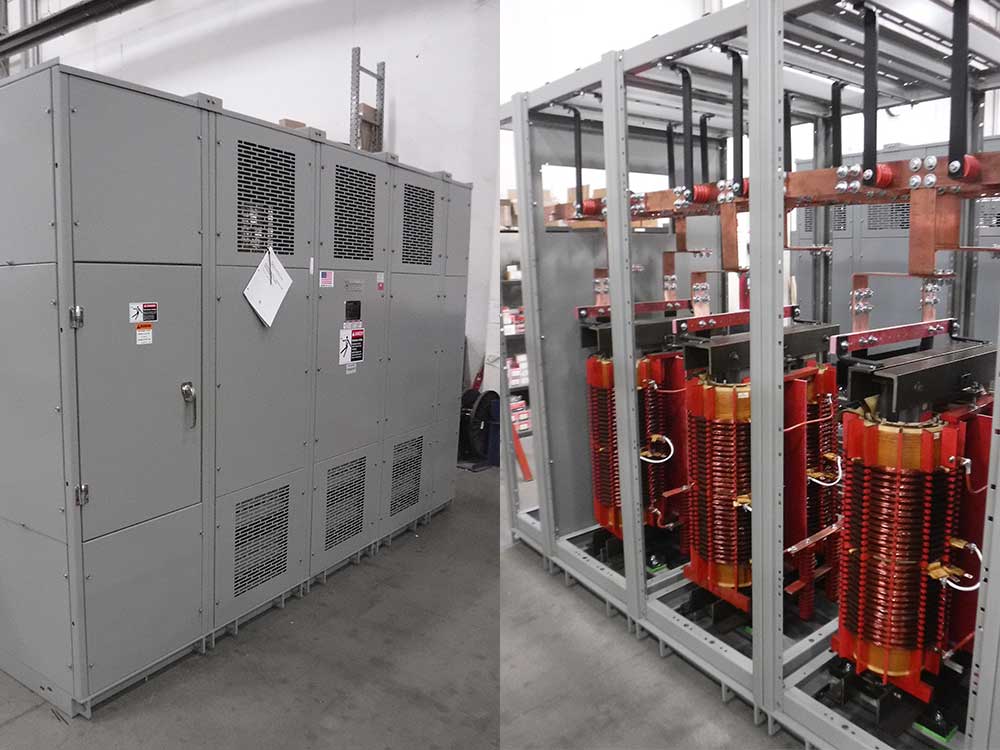
Typical delivery milestones for cast resin dry type transformers
Understanding delivery milestones helps buyers manage schedules and inspections.
-
Technical drawings submission
-
Manufacturing and resin casting
-
Routine and type testing
-
Packaging and transport preparation
-
Shipment and site delivery
Why delivery milestones matter to procurement planning
Each milestone represents a control point. Drawing approval confirms technical alignment. Manufacturing milestones indicate progress visibility. Testing ensures compliance before shipment. Packaging protects resin surfaces during transport. Clear milestones reduce uncertainty and support coordinated site readiness. Procurement teams use these checkpoints to manage risk and communication.
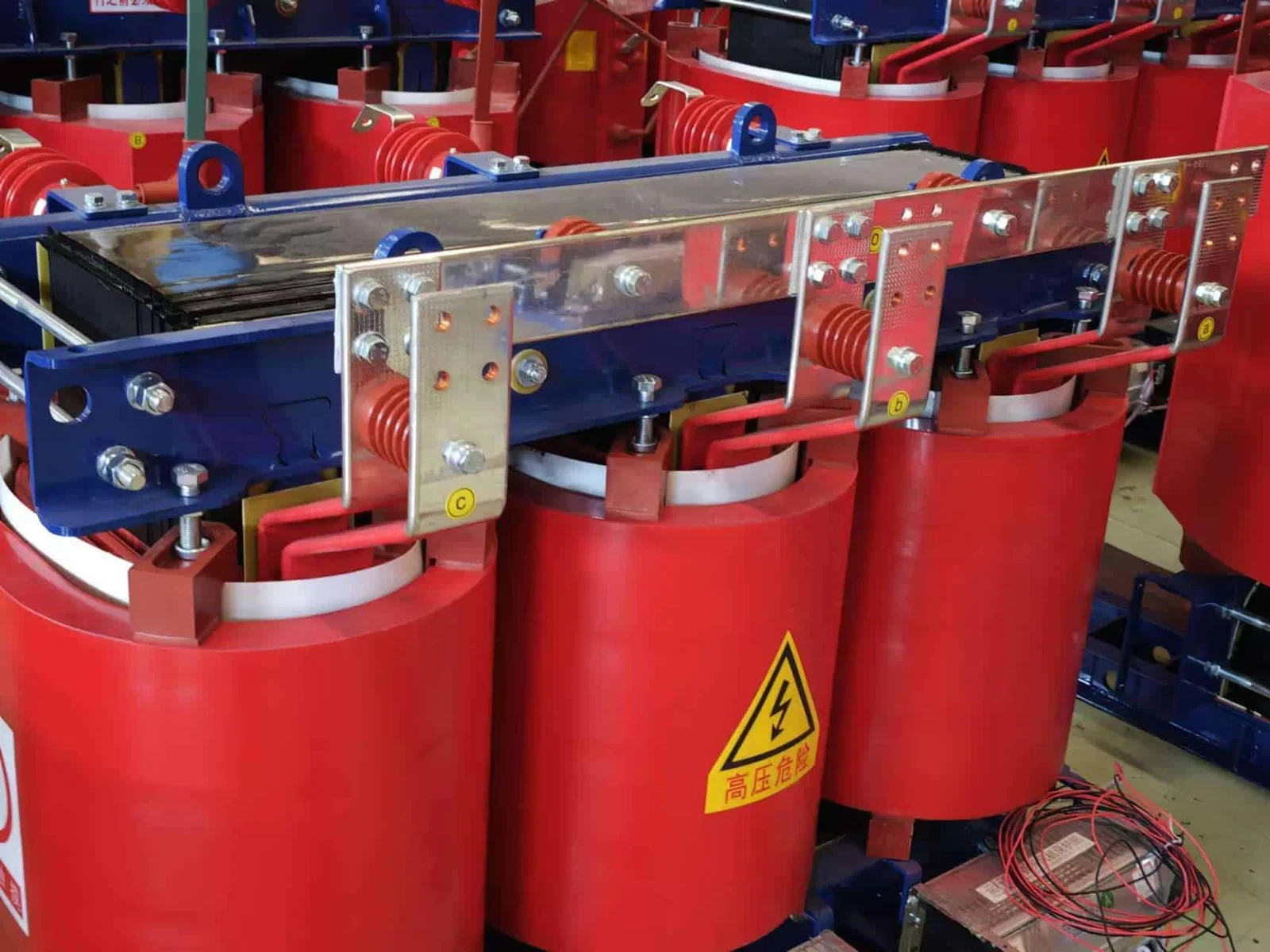
How manufacturing and testing influence supplier credibility
Manufacturing quality directly affects long-term performance. Resin casting requires precise temperature and vacuum control. Poor processes create voids that weaken insulation. Buyers should request testing scope details, including partial discharge and thermal tests. Transparent factory procedures signal reliability. Suppliers with documented test routines reduce acceptance issues upon delivery.
Comparison of cast resin and oil immersed transformers
The table below highlights purchasing considerations.
| Aspect | Cast Resin Dry Type | Oil Immersed |
|---|---|---|
| Fire Risk | Very low | Higher |
| Maintenance | Minimal | Oil monitoring |
| Installation | Indoor friendly | Mostly outdoor |
| Environmental Impact | Clean operation | Oil handling needed |
How this comparison supports early awareness decisions
This comparison clarifies trade-offs without technical overload. Cast resin units prioritize safety and indoor use. Oil immersed designs favor higher power density. Buyers align technology with project constraints early. That alignment prevents later redesign and cost escalation.
How should buyers evaluate packaging and transportation?
Packaging protects resin surfaces and winding integrity. Buyers should confirm moisture barriers and shock resistance. Long-distance transport requires reinforced crates and humidity control. Clear labeling supports handling compliance. Transportation planning affects insurance and site scheduling. Addressing these points early avoids transit damage and disputes.
Why choose Kerun Intelligent Control?
Why choose Kerun Intelligent Control? Kerun Intelligent Control offers cast resin dry type transformers built for procurement clarity and execution reliability. Engineering teams support parameter definition during early inquiry stages. Manufacturing follows controlled resin casting processes. Comprehensive testing verifies insulation integrity. Clear delivery milestones and export-ready packaging support global projects. This approach reduces uncertainty from awareness through consideration.

How does this topic connect to deeper selection decisions?
Awareness focuses on understanding options and constraints. Selection requires deeper comparison of specifications and lifecycle cost. After clarifying how to choose cast resin dry type transformers, buyers should explore sizing rules and application matching. Internal resources support that transition.
Internal link recommendation: Dry Type Transformer Basics and Selection Guide (Pillar)
CTA: View the FAQ below for common purchasing concerns
Next stage: Dry Type Transformers · Selection (Consideration)
FAQ
What information should be included in a cast resin transformer inquiry?
A complete inquiry includes capacity, voltage, insulation class, cooling method, enclosure type, and installation environment. Standards and certification requirements should appear clearly. Delivery timeline and destination affect packaging and logistics planning. Providing this information upfront accelerates quotation accuracy and reduces revision cycles during negotiation.
How this comparison supports early awareness decisions
This comparison clarifies trade-offs without technical overload. Cast resin units prioritize safety and indoor use. Oil immersed designs favor higher power density. Buyers align technology with project constraints early. That alignment prevents later redesign and cost escalation.

Are cast resin dry type transformers suitable for humid environments?
Cast resin dry type transformers perform well in humid conditions due to sealed windings. Epoxy encapsulation resists moisture penetration and surface tracking. Proper enclosure selection enhances protection. Ventilation design still matters. Matching insulation class and enclosure rating ensures stable operation across varying humidity levels.
How long is the typical lead time for cast resin dry type transformers?
Lead time depends on capacity, customization, and testing scope. Standard designs may ship within several weeks. Customized units require extended manufacturing and approval stages. Early drawing confirmation shortens schedules. Clear milestone planning improves coordination between suppliers and project teams.