What Is Dry Type Transformer Types and Where Is It Used?
-
Dry type transformer types suit indoor distribution where safety, insulation design, and predictable loads define performance boundaries and selection paths.
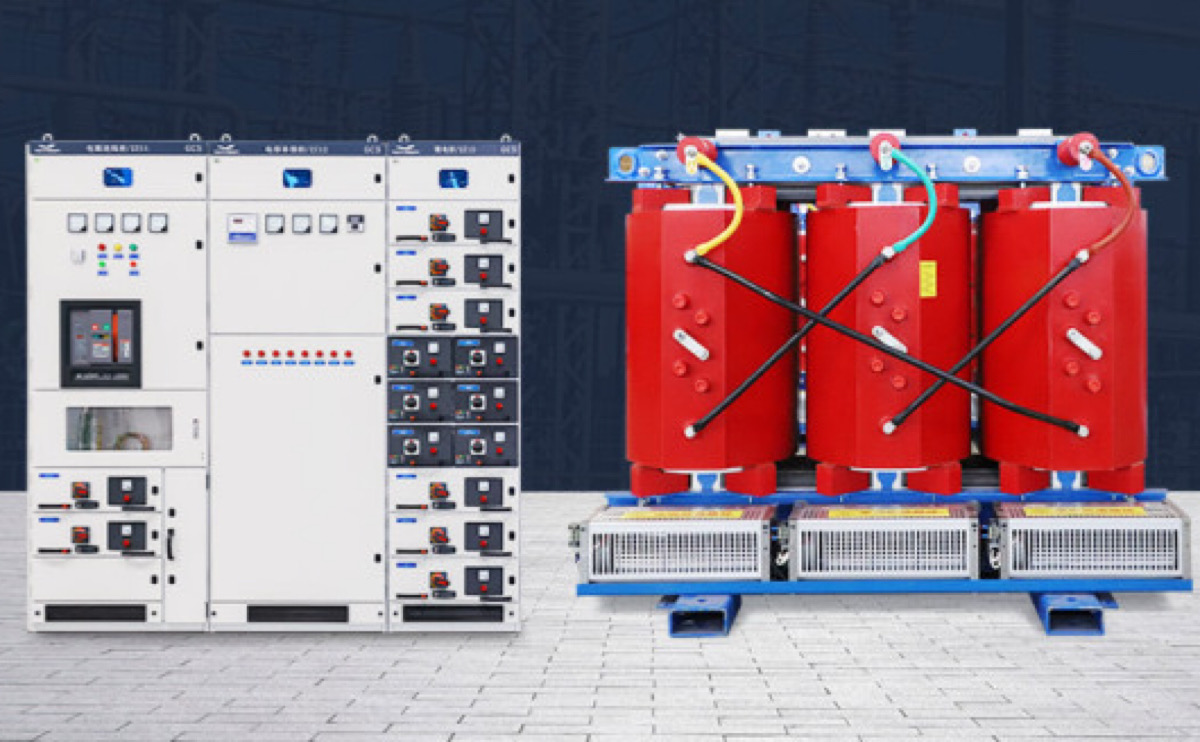
Dry type transformer type represent a category of power equipment designed for applications where oil insulation is unsuitable or restricted. These transformers rely on air, resin, or solid insulation systems, which define their operating boundaries and performance characteristics. Modern power systems increasingly require solutions that balance safety, environmental control, and stable voltage delivery. Dry type transformer type meet these expectations in many controlled environments. Their adoption depends heavily on location, load profile, and regulatory constraints rather than pure capacity demand.
Where Can Dry Type Transformer Be Applied Effectively?
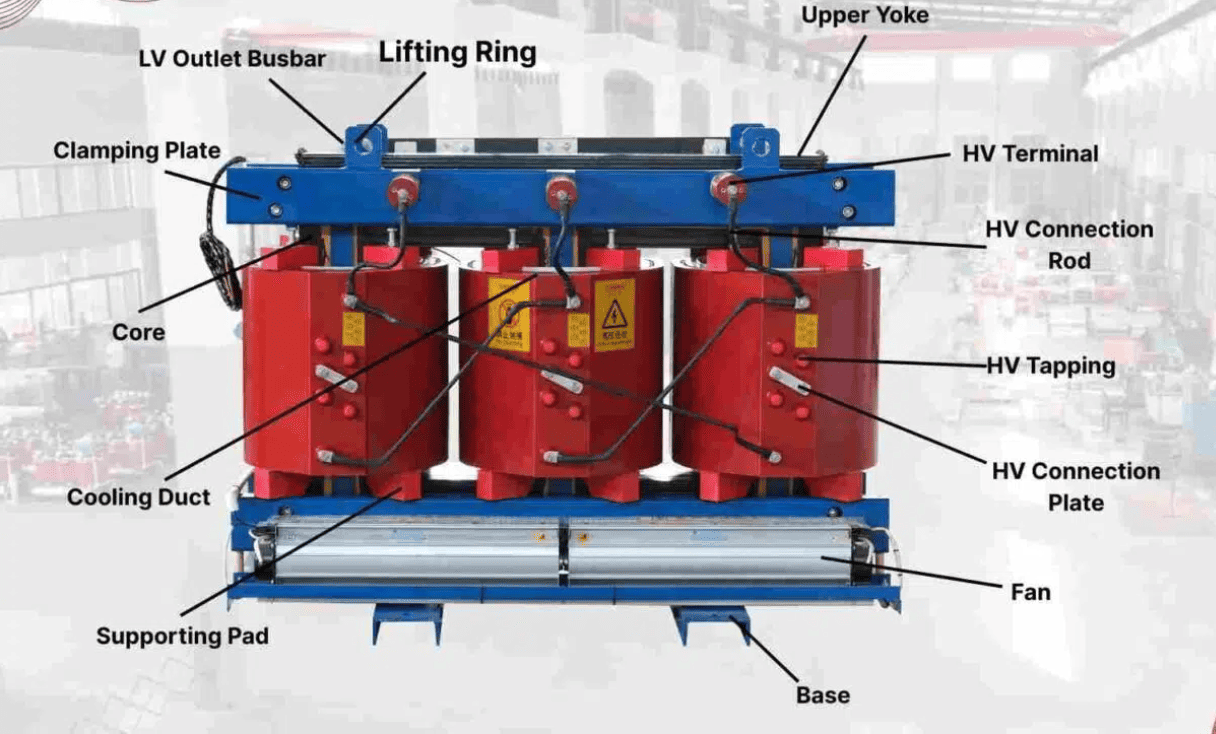
Dry type transformer types perform best in enclosed or semi-enclosed environments where fire risk and oil leakage cannot be tolerated. Commercial buildings, hospitals, transit hubs, and data centers frequently rely on these designs. Air-cooled or resin-insulated systems support steady operation without fluid maintenance. These conditions establish clear boundaries for proper use. Dry type transformer type do not replace oil immersed units across all scenarios. Instead, they complement power networks where safety, cleanliness, and installation proximity matter most.
What Are the Practical Limits of Dry Type Transformer?
Operational limits define where dry type transformer type should not be applied. High humidity, extreme outdoor exposure, or ultra-high voltage transmission environments often exceed their intended design scope. Thermal dissipation relies on airflow rather than oil circulation, which restricts overload tolerance. Engineers must consider ambient temperature and ventilation quality. These constraints clarify why dry type transformer type dominate indoor and urban installations while oil immersed designs continue supporting transmission networks.
What Main Categories Define Dry Type Transformer
Dry type transformer type typically fall into several structural categories.
-
Cast resin dry type transformers
-
VPI dry type transformers
-
Open ventilated dry type transformers
How Structural Categories Influence Application Decisions
Each structural category serves a different operational purpose. Cast resin units excel in harsh indoor conditions due to sealed windings. VPI units balance cost and performance for general facilities. Open ventilated designs suit controlled electrical rooms with stable airflow. Understanding these distinctions prevents misapplication. Dry type transformer types succeed when structural design aligns with environmental demands rather than theoretical ratings.
How Do Insulation Systems Shape Dry Type Transformer?
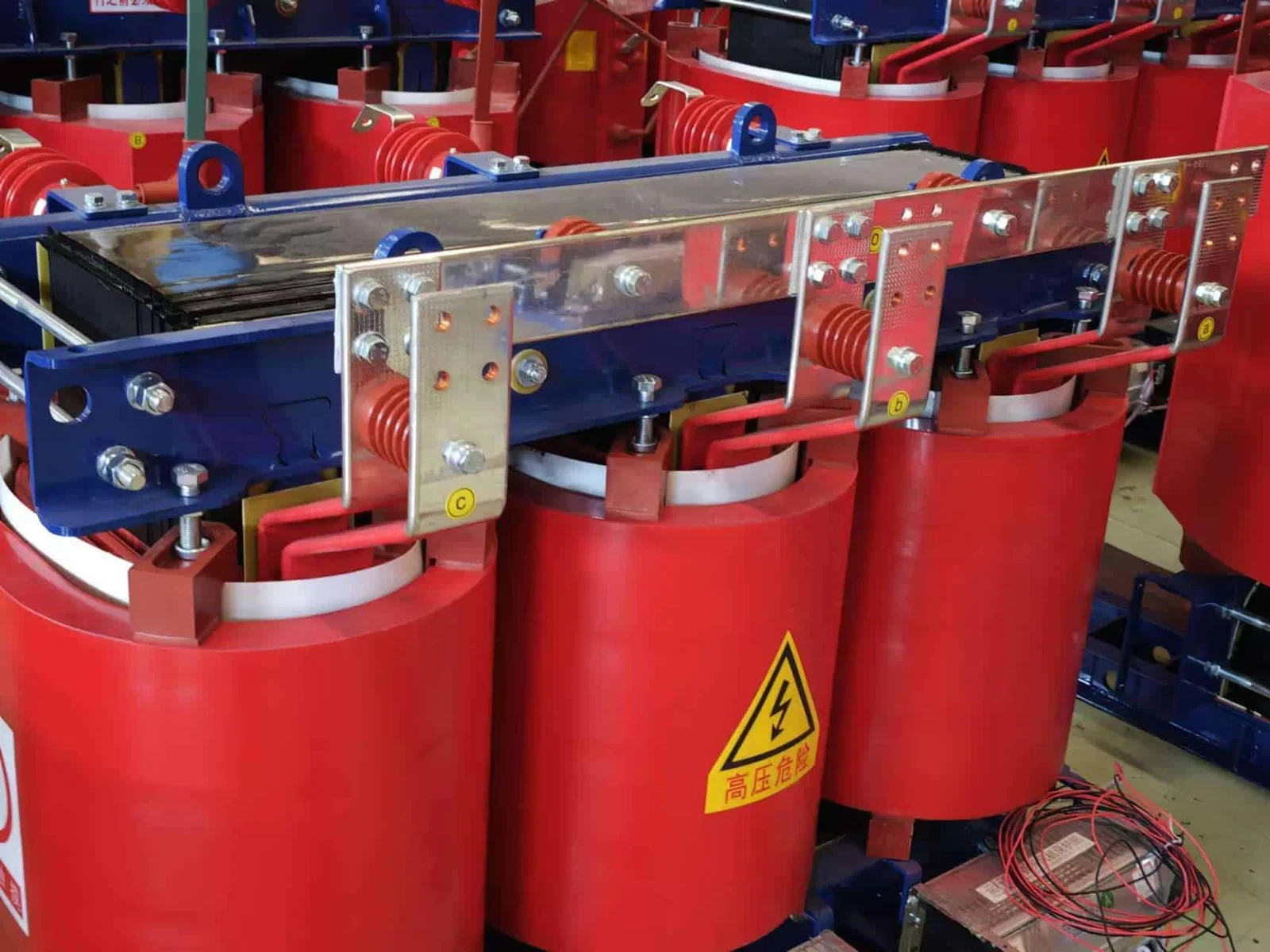
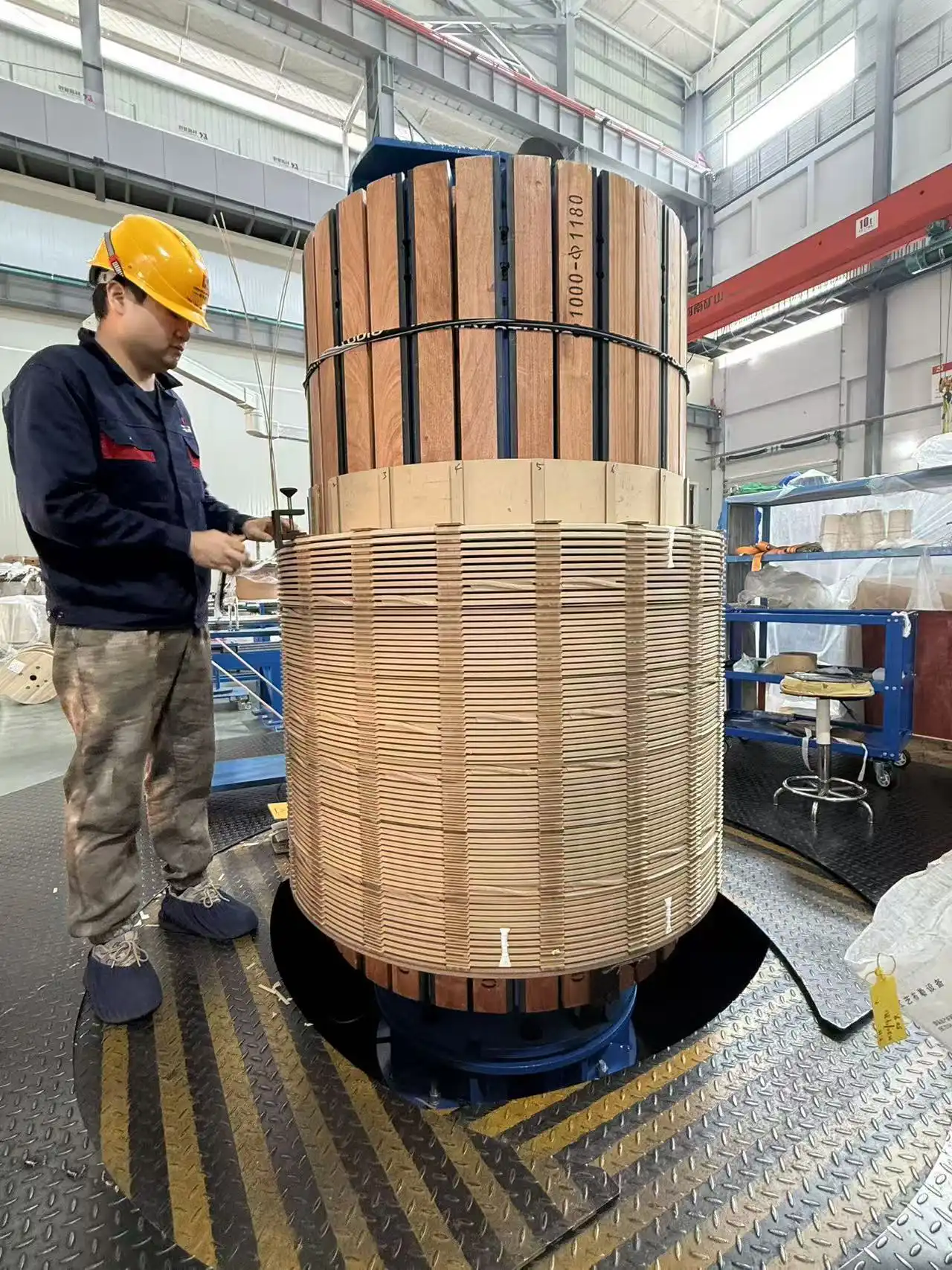
Insulation systems determine thermal stability and lifespan. Resin encapsulation protects windings from moisture and contaminants. VPI systems reinforce insulation through vacuum impregnation processes. Air-insulated designs rely on spacing and airflow discipline. These systems influence maintenance cycles and cooling requirements. Selection must consider operational continuity and access conditions. Dry type transformer types differ most clearly at this insulation level rather than core design alone.
What Typical Voltage and Capacity Ranges Apply?
Dry type transformer types usually operate within defined electrical ranges.
-
Voltage levels commonly below 35kV
-
Capacities optimized for low to medium loads
-
Frequency aligned with commercial grids
Why Electrical Ranges Matter in Real Projects
Voltage and capacity limits shape installation planning. Facilities requiring frequent load swings benefit from conservative sizing. Overextension increases thermal stress and reduces service life. Designers favor dry type transformer types where predictable load behavior exists. These ranges reinforce their role within distribution and utilization layers of power systems.
How Do Dry Type Transformer Types Compare in Safety Terms?
Safety remains a primary reason for adoption. Absence of oil reduces fire propagation risk. Smoke emission stays minimal during abnormal conditions. Many jurisdictions encourage dry type solutions in populated buildings. These factors influence regulatory approval and insurance requirements. Dry type transformer type align with modern safety-driven design philosophies without introducing complex containment systems.
How Do Cost and Maintenance Profiles Differ?
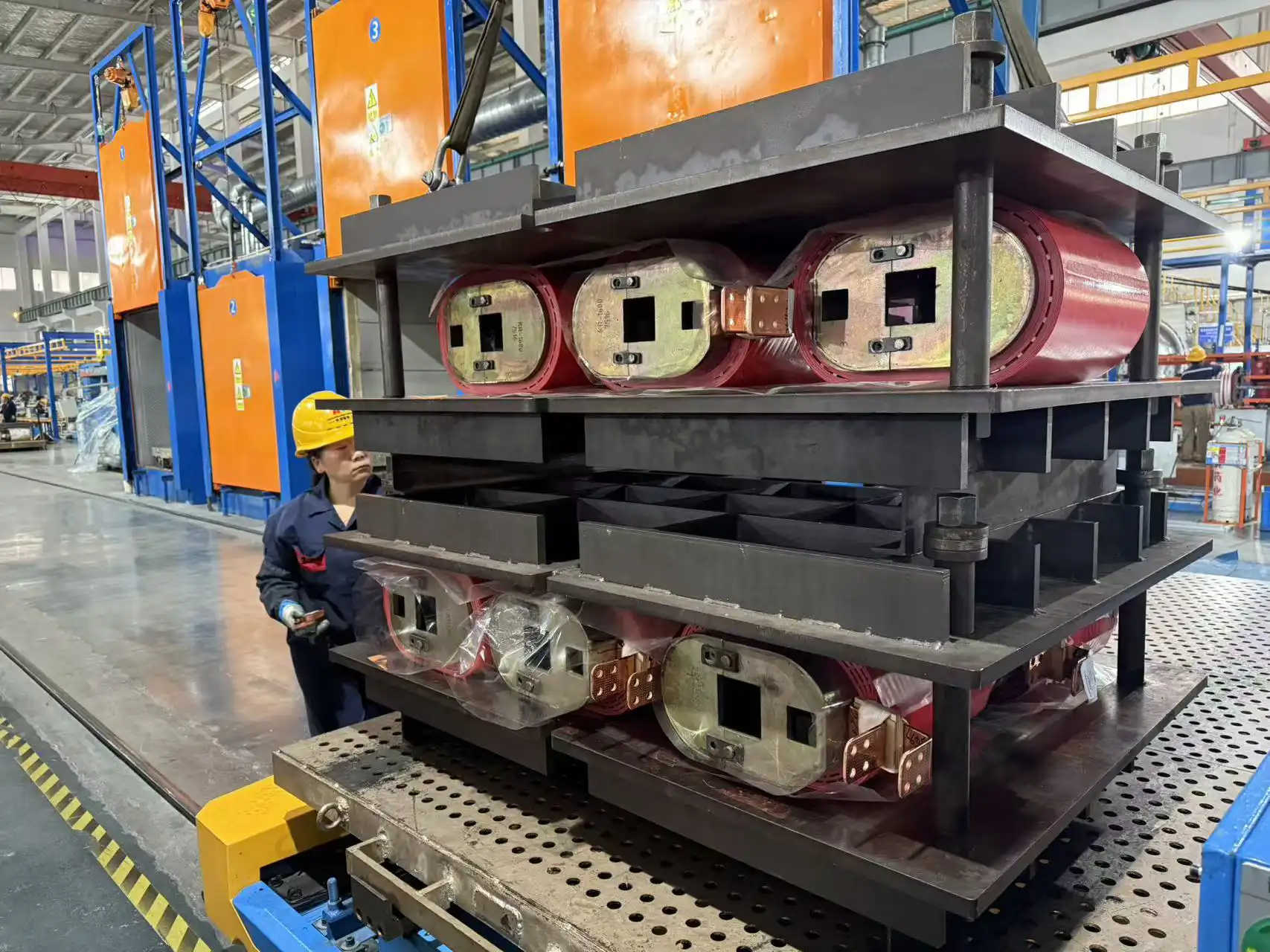
Initial cost often exceeds comparable oil immersed units. Maintenance requirements remain simpler due to oil-free construction. Inspection focuses on airflow, insulation condition, and connection integrity. Lifecycle cost balances initial investment through reduced servicing needs. Dry type transformer type appeal to operators prioritizing predictability over maximum efficiency.
Typical Comparison of Dry Type Transformer Types
| Type | Insulation | Typical Use |
|---|---|---|
| Cast Resin | Epoxy Resin | Hospitals |
| VPI | Impregnated Varnish | Commercial Buildings |
| Open Ventilated | Air | Electrical Rooms |
How This Comparison Supports Early Selection
This comparison highlights practical differentiation rather than theoretical performance. Project teams can quickly match site conditions with transformer structure. Early alignment reduces redesign cycles. Dry type transformer types benefit when selection begins with application context instead of catalog ratings.
Three Key Judgement Points Before Moving to Selection
Before entering the selection stage, decision-makers should confirm three points.
-
Installation environment stability
-
Load predictability and growth margin
-
Regulatory or safety constraints
Why These Judgement Points Matter Early
These judgement points prevent misalignment between expectation and performance. Environmental mismatch creates cooling issues. Load uncertainty accelerates insulation aging. Regulatory oversight affects approval timelines. Dry type transformer type succeed when these factors align from the outset. Early clarity improves downstream selection efficiency.
Why choose Kerun Intelligent Control?
Why choose Kerun Intelligent Control? Expertise in dry type transformer types extends beyond product supply. Kerun Intelligent Control supports early-stage evaluation by aligning application boundaries with technical solutions. Engineering teams assist clients in clarifying environment limits, insulation preferences, and future load planning. This approach bridges awareness and consideration without forcing premature decisions.
How Does This Topic Connect to Deeper Selection Decisions?
Awareness forms the foundation for structured selection. Dry type transformer type represent the first filter rather than the final answer. Once application boundaries become clear, deeper evaluation follows. Readers seeking technical parameters and sizing logic should continue into the next stage of decision-making.
FAQ
What environments are best suited for dry type transformer?
Dry type transformer types perform best in indoor or semi-enclosed environments with controlled airflow. Locations such as hospitals, shopping centers, and data facilities benefit from oil-free insulation. These environments value fire safety and clean operation. High humidity or outdoor exposure reduces suitability unless special enclosures exist. Understanding environment stability ensures long-term reliability.
Are dry type transformer types suitable for high voltage applications?
Dry type transformer types typically serve low to medium voltage ranges. High voltage transmission networks require oil-based cooling and insulation for thermal control. Dry type designs focus on distribution and utilization layers. Attempting to exceed design limits increases thermal stress. Proper voltage alignment protects insulation integrity and operational lifespan.
How should users transition from awareness to selection?
Transition begins with confirming application boundaries. Users should evaluate load behavior, installation space, and safety requirements. Technical comparison follows once these factors remain clear. Engaging experienced manufacturers accelerates this process. Structured progression prevents overdesign or misapplication during procurement.