How Do Regulations Affect Oil Immersed Transformers in Denmark?
-
Oil Immersed Transformers in Denmark meet strict energy regulations through efficiency, compliance, and grid reliability under EU and national standards.
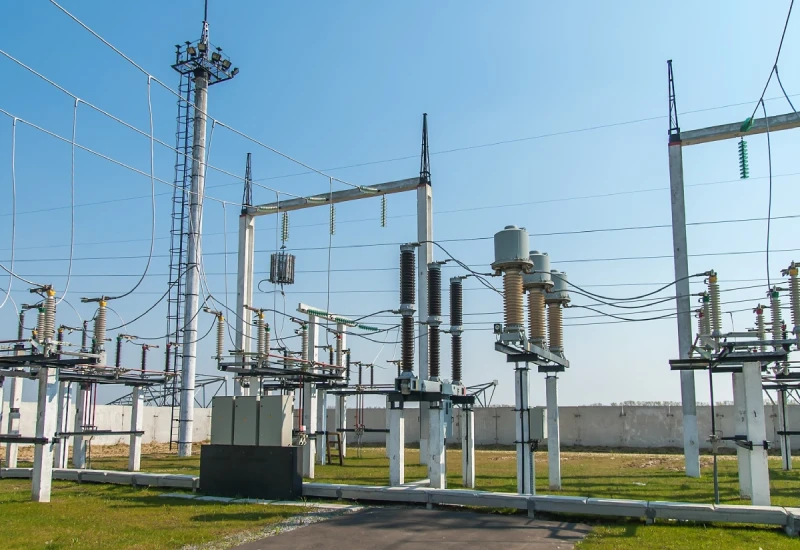
Oil Immersed Transformers in Denmark operate within one of Europe’s most regulated energy environments, where safety, efficiency, and environmental accountability shape every technical decision. Denmark prioritizes grid resilience while accelerating renewable integration, which directly influences transformer selection and configuration. Utilities demand equipment that performs reliably under variable loads, frequent switching, and long operational cycles. Oil immersed transformers remain essential because they support medium and high voltage networks with strong thermal stability. Regulatory oversight does not reduce demand but instead raises technical expectations across procurement, testing, and lifecycle management.
How Danish Energy Policy Shapes Transformer Requirements
Danish energy policy emphasizes carbon neutrality, system transparency, and long-term reliability. Grid operators plan infrastructure around wind generation, cross-border interconnections, and distributed energy resources. These conditions require transformers that tolerate load fluctuation without insulation degradation. Oil immersed transformers meet this requirement through effective heat dissipation and stable dielectric performance. Regulations encourage utilities to evaluate lifetime efficiency rather than initial cost alone. This approach sustains demand for high-quality oil immersed units instead of short-lived alternatives.
Why Environmental Compliance Influences Design Choices
Environmental compliance strongly affects transformer design decisions in Denmark. Authorities require strict control over oil containment, leak prevention, and end-of-life handling. Manufacturers respond by improving tank sealing, oil quality monitoring, and corrosion resistance. These measures reduce environmental risk while maintaining performance. Oil immersed transformers remain acceptable because modern designs address historical concerns. Compliance therefore reshapes specifications rather than eliminating oil-based solutions from the market.
Grid Reliability Expectations in a Wind-Dominant System
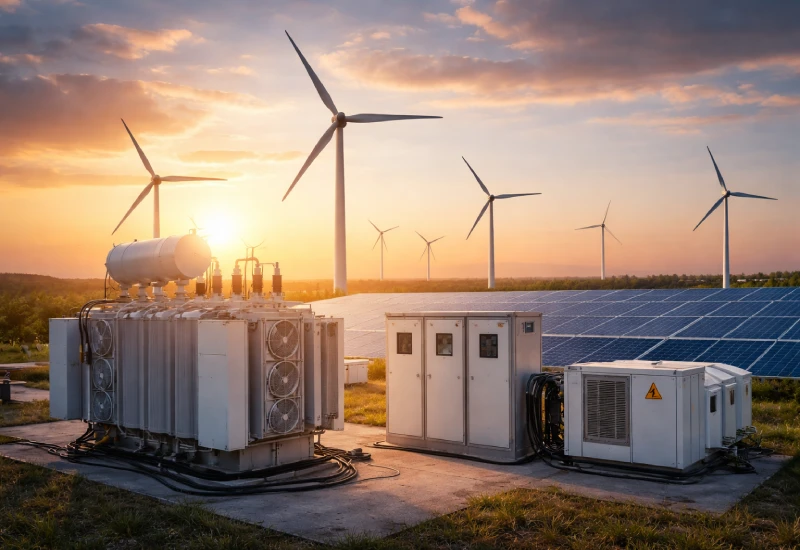
Wind energy penetration changes grid behavior across Denmark. Power flows vary rapidly, especially during seasonal wind shifts. Transformers must handle frequent load transitions without overheating or insulation stress. Oil immersed transformers perform well under these conditions due to superior thermal inertia. Operators value this stability because grid interruptions carry economic and political consequences. Reliability expectations therefore reinforce oil immersed transformer deployment at key substations and interconnection points.
Key Regulatory Factors Affecting Transformer Selection
Several regulatory factors influence oil immersed transformer selection in Denmark.
-
Environmental protection and oil containment rules
-
Efficiency benchmarks under EU energy directives
-
Safety standards for populated areas
-
Cross-border grid compatibility requirements
Regulatory Factors and Procurement Strategy Alignment
Each regulatory factor shapes procurement strategy differently. Environmental rules affect tank and oil system design. Efficiency benchmarks influence core material selection. Safety standards impact installation location decisions. Cross-border compatibility determines voltage and testing requirements. Utilities integrate these factors during tender evaluation, which favors suppliers capable of consistent compliance across all dimensions. This structured evaluation sustains a high entry threshold within the Danish transformer market.
How EU Standards Interact With National Rules
EU standards provide a baseline for transformer performance and testing. Denmark applies additional national oversight focused on environmental protection and operational transparency. Oil immersed transformers must therefore satisfy layered compliance expectations. Manufacturers prepare detailed documentation covering materials, losses, and testing outcomes. This documentation supports utility audits and regulatory reviews. Suppliers unable to manage this complexity struggle to compete, while experienced manufacturers strengthen long-term market presence.
Application Scenarios Within Danish Power Networks
Oil immersed transformers serve several critical roles within Danish power networks.
-
Transmission substations connecting offshore wind farms
-
Regional substations balancing cross-border power flows
-
Industrial facilities requiring continuous high-load supply
Application Scenarios and Technical Suitability
Each application scenario imposes different stresses on transformer operation. Offshore connections demand corrosion resistance and load flexibility. Regional substations prioritize reliability under bidirectional flows. Industrial facilities require thermal endurance and voltage stability. Oil immersed transformers adapt well to all scenarios through scalable design and proven insulation systems. This adaptability supports their continued relevance despite regulatory complexity.
Compliance-Oriented Specification Overview
The table below summarizes compliance-driven specifications commonly required in Denmark.
| Requirement Area | Regulatory Focus | Technical Response |
|---|---|---|
| Environmental | Oil containment | Sealed tanks |
| Efficiency | Loss reduction | Advanced core steel |
| Safety | Operational protection | Pressure relief systems |
| Documentation | Traceability | Full test records |
Specification Overview and Market Impact
These specifications raise entry barriers within the Danish market. Manufacturers must invest in design verification, testing infrastructure, and quality control systems. Buyers benefit from reduced operational risk and predictable asset performance. Oil immersed transformers that meet these specifications gain approval for long-term deployment rather than short-term use.
Why choose Kerun Intelligent Control?
Why choose Kerun Intelligent Control? Danish projects require more than equipment delivery. They require engineering discipline and regulatory awareness. Kerun Intelligent Control supports oil immersed transformer projects through standardized documentation, stable manufacturing processes, and compliance-focused design. Its experience with international standards simplifies approval workflows. Utilities and EPC contractors value this reliability because regulatory delays affect project schedules and financing structures.
Market Outlook Under Regulatory Stability
Regulatory stability in Denmark supports predictable transformer demand. Energy transition goals emphasize reinforcement rather than replacement of core infrastructure. Oil immersed transformers remain integral to this strategy because they balance efficiency, durability, and compliance. Incremental design improvements align with policy evolution without disrupting existing networks. This continuity sustains supplier investment and technical advancement.
Long-Term Role of Oil Immersed Transformers in Denmark
Oil immersed transformers will continue supporting Denmark’s grid through adaptability and compliance alignment. Regulatory pressure encourages quality improvement rather than technology exclusion. Utilities prioritize proven performance under complex operating conditions. As grid interconnection and renewable integration expand, oil immersed transformers remain a dependable solution within Denmark’s regulated energy framework.
FAQ
How do Danish regulations influence oil immersed transformer procurement?
Danish regulations influence procurement by emphasizing environmental protection, efficiency, and operational transparency. Utilities evaluate transformer designs against national and EU standards simultaneously. Suppliers must demonstrate compliance through documentation and testing records. This process favors manufacturers with mature quality systems and regulatory experience. Oil immersed transformers that meet these requirements gain long-term acceptance rather than project-specific approval.
Are oil immersed transformers restricted by environmental policy in Denmark?
Environmental policy does not prohibit oil immersed transformers in Denmark. Instead, it enforces strict containment and monitoring requirements. Modern designs address spill prevention and oil management concerns effectively. Regulators focus on risk mitigation rather than technology elimination. Oil immersed transformers therefore remain widely used within compliant designs.
What challenges do manufacturers face in the Danish market?
Manufacturers face challenges related to documentation accuracy, testing depth, and delivery coordination. Danish projects require precise compliance evidence. Communication with utilities and authorities must remain consistent. Suppliers lacking regulatory familiarity encounter approval delays. Experienced manufacturers convert these challenges into competitive advantages through process discipline.