
Why Is China a Major Oil Immersed Power Transformer Market?
-
China’s oil immersed power transformer market grows through strong domestic demand, export capacity, and integrated manufacturing scale worldwide.
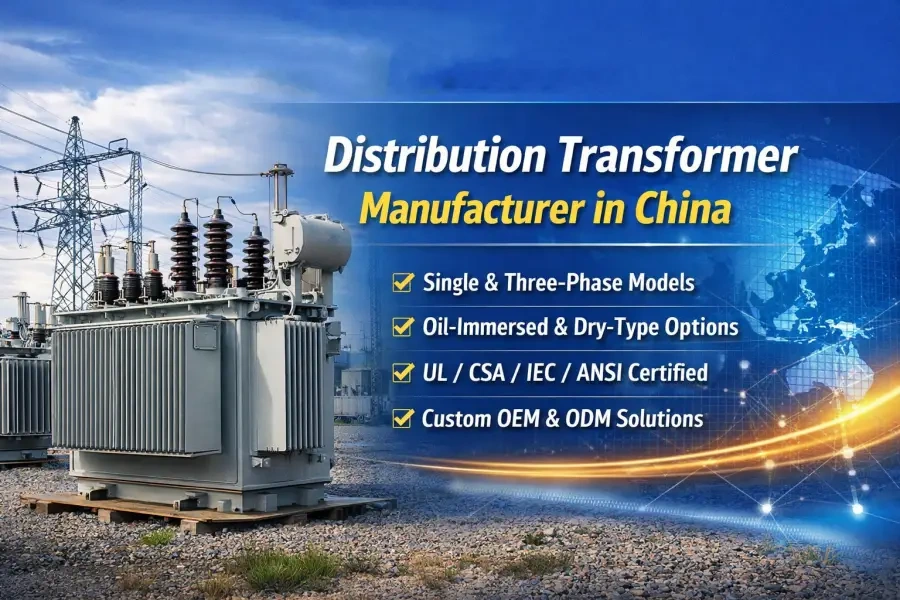
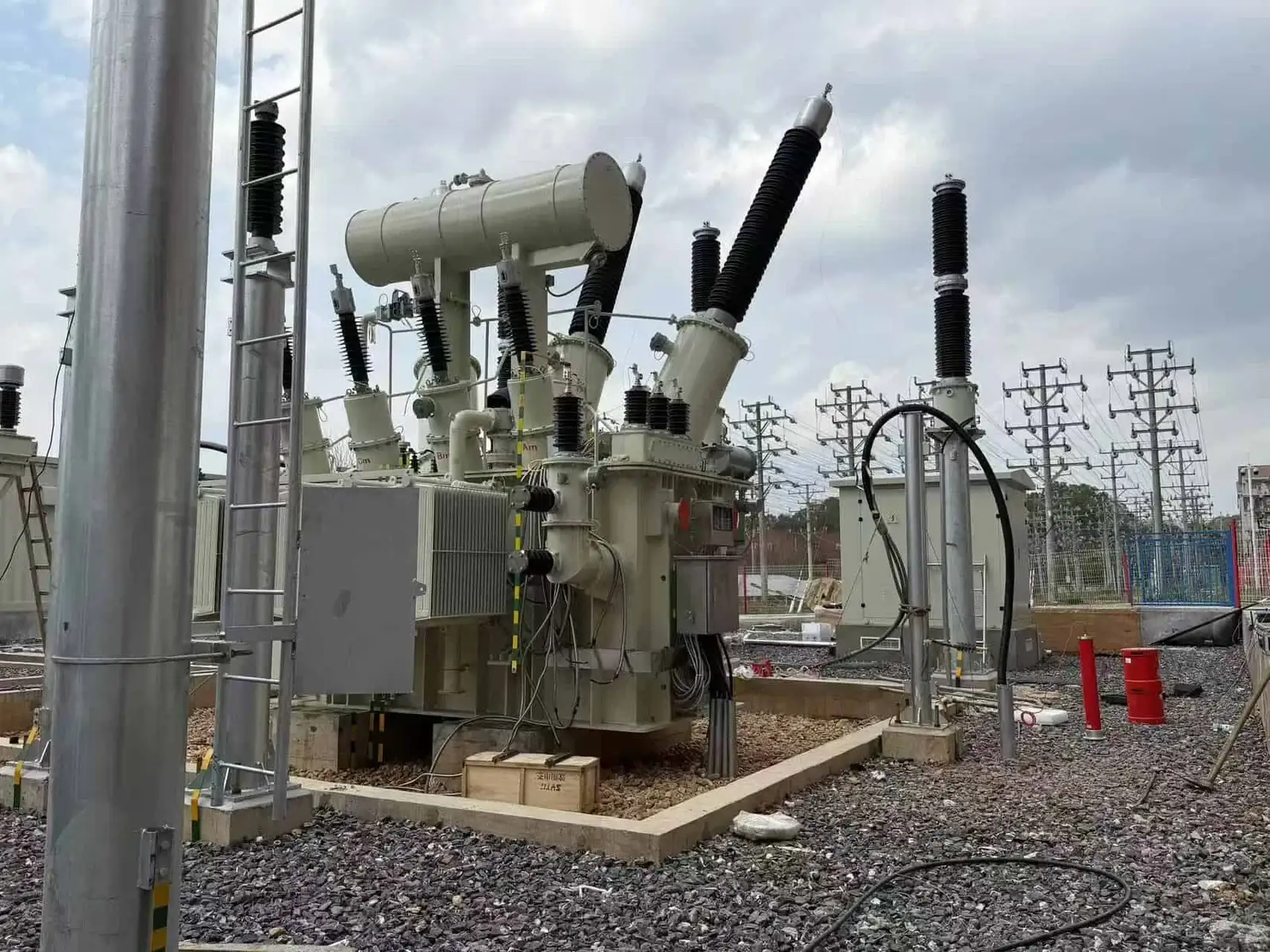
Oil immersed power transformer market dominance in China results from scale, demand density, and industrial coordination rather than a single advantage. China operates the world’s largest electricity system, which continuously requires high-capacity, stable, and long-life transformer equipment. Urban grids, industrial clusters, renewable integration, and cross-regional transmission projects all rely on oil immersed power transformers as foundational assets. This market grows through replacement cycles, grid upgrades, and new installations instead of short-term speculation. Because supply and demand expand together, China sustains a rare balance between production capability and application volume, forming a structurally resilient transformer market.
How National Grid Expansion Shapes Market Scale
China’s power grid expansion directly shapes the oil immersed power transformer market through sustained infrastructure investment. Large cities expand substations to support population density and commercial demand. Industrial regions increase transformer capacity to stabilize heavy loads and continuous operation cycles. Transmission corridors link energy bases with consumption centers, which raises demand for higher voltage oil immersed units. These projects require equipment that tolerates overload, heat accumulation, and long service life. Oil immersed power transformers meet these needs more effectively than dry-type solutions at medium and high voltages, reinforcing their selection across national grid planning.
Why Industrial Power Consumption Sustains Long-Term Demand
Industrial electricity consumption anchors long-term growth in the oil immersed power transformer market. Manufacturing parks, metallurgy facilities, chemical plants, and data centers require uninterrupted power with strong thermal margins. Oil immersed designs dissipate heat efficiently while maintaining insulation stability under fluctuating loads. Enterprises prioritize operational reliability because downtime creates direct financial loss. As industrial automation increases, power quality requirements rise as well. This trend encourages consistent transformer upgrades rather than deferred replacement. Because China hosts dense industrial clusters, aggregated demand remains strong even during economic adjustments.
How Manufacturing Integration Strengthens Market Competitiveness
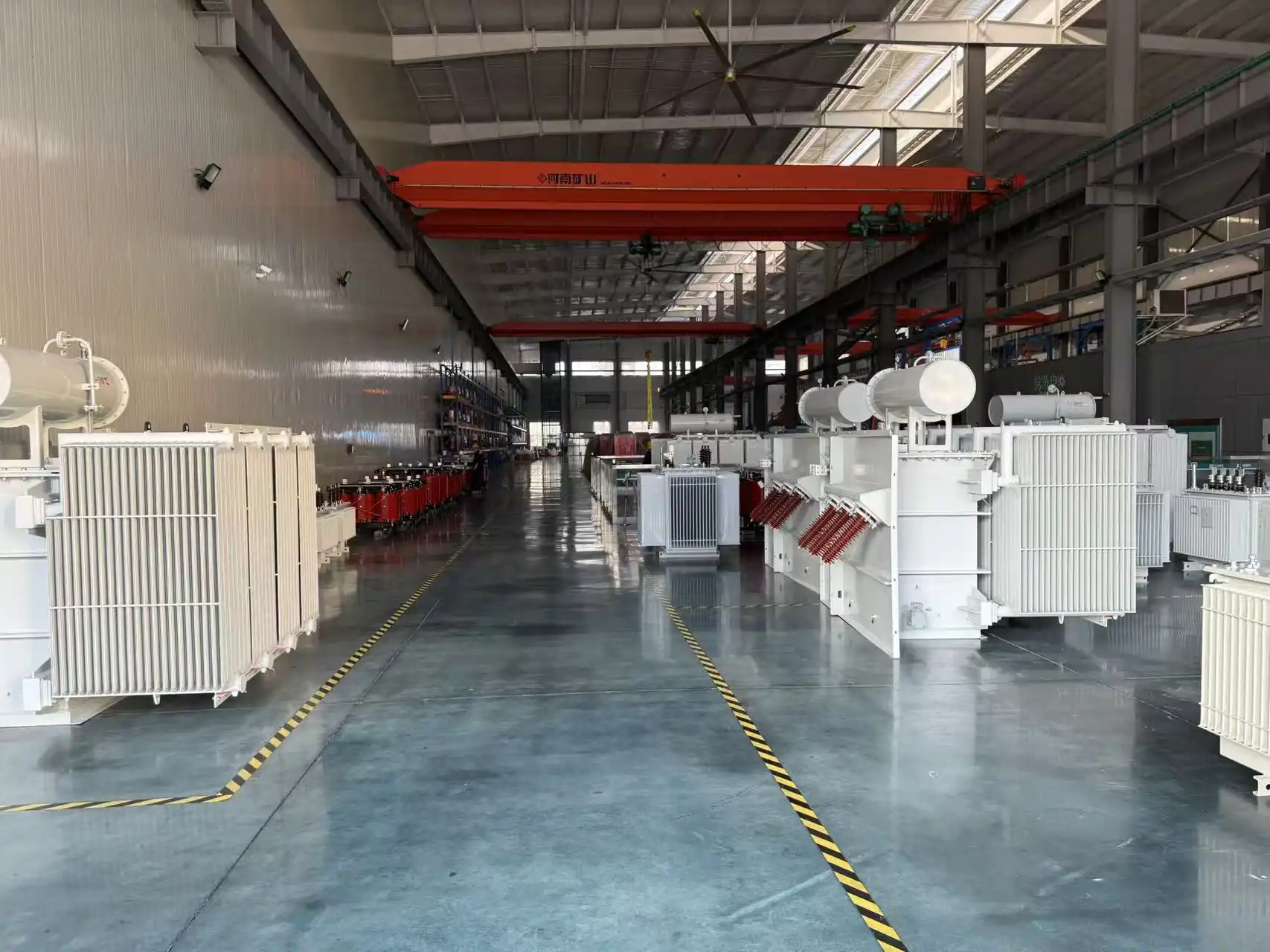
China’s manufacturing integration strengthens the oil immersed power transformer market through cost control and delivery reliability. Core materials such as silicon steel, copper conductors, insulating oil, and porcelain bushings are sourced domestically at scale. Factories coordinate design, winding, assembly, oil filling, and testing within unified production systems. This structure shortens lead times and reduces dependency risks. Manufacturers can adjust specifications quickly when grid standards or project conditions change. Buyers benefit from predictable schedules and consistent quality, which reinforces China’s reputation as a stable transformer supply base.
Export Demand and Its Impact on Market Structure
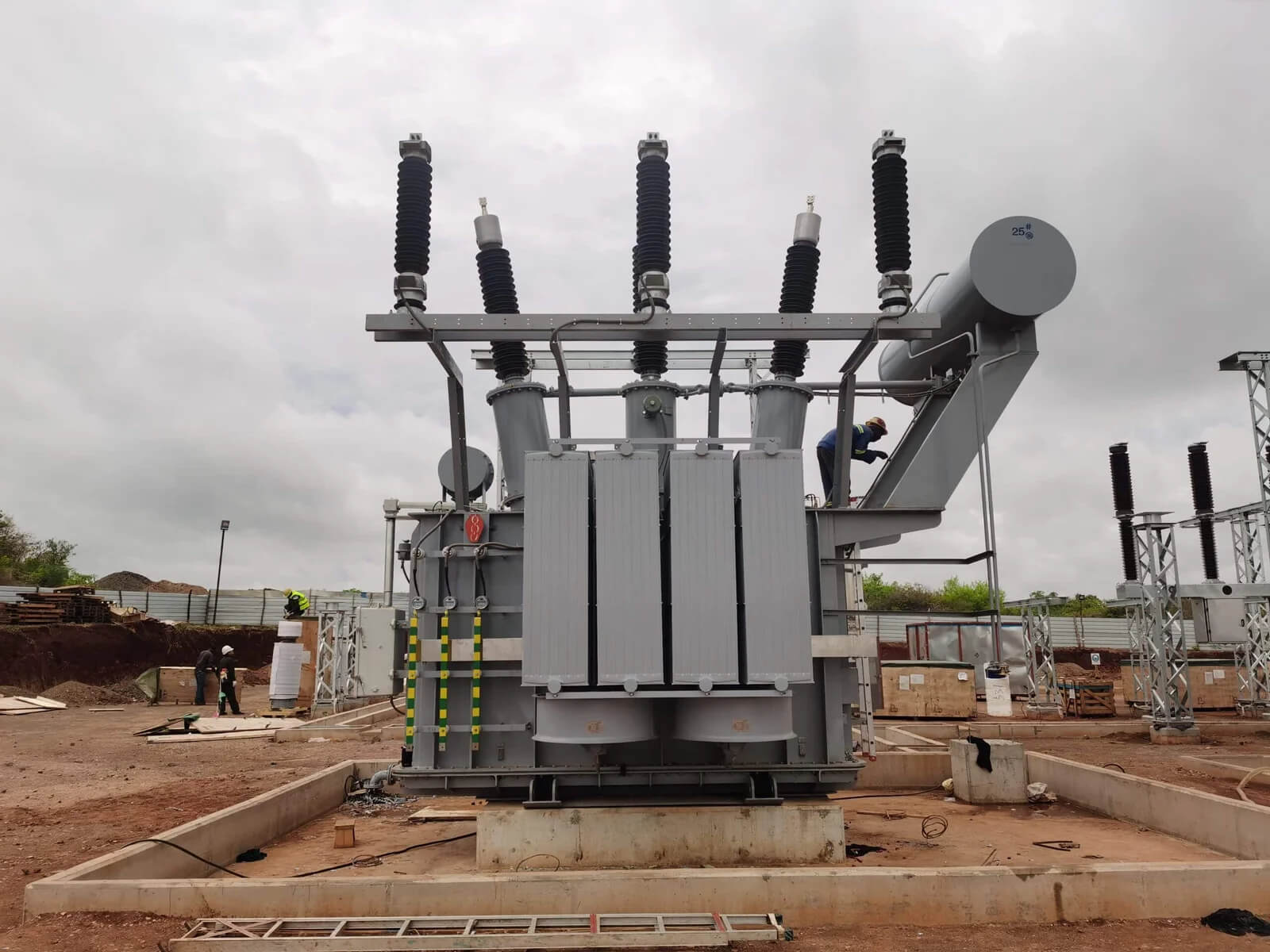
Export demand expands the oil immersed power transformer market beyond domestic boundaries. Chinese suppliers support grid construction in Southeast Asia, Africa, the Middle East, and Latin America. Many regions require transformers that balance performance and affordability under challenging environments. Oil immersed power transformers from China meet IEC and IEEE standards while remaining competitive on total project cost. Export projects also raise technical requirements, which pushes manufacturers to improve testing accuracy and documentation quality. This feedback loop strengthens domestic capability while expanding global market share.
Key Application Segments Driving Volume Growth
Several application segments consistently drive volume growth in the oil immersed power transformer market.
-
Urban substations supporting residential and commercial demand
-
Industrial parks requiring medium and high voltage stability
-
Renewable energy grid connections for wind and solar plants
-
Transportation and infrastructure projects with continuous loads
Application Segment Influence on Market Stability
Each application segment contributes differently to market stability. Urban substations generate predictable replacement cycles. Industrial parks introduce customization and higher margins. Renewable projects add intermittent but large-capacity demand. Infrastructure projects require robust designs with long service life. Together, these segments prevent demand concentration risk. Manufacturers diversify portfolios across segments to maintain stable production schedules and balanced revenue structures.
Voltage Distribution Across Market Demand
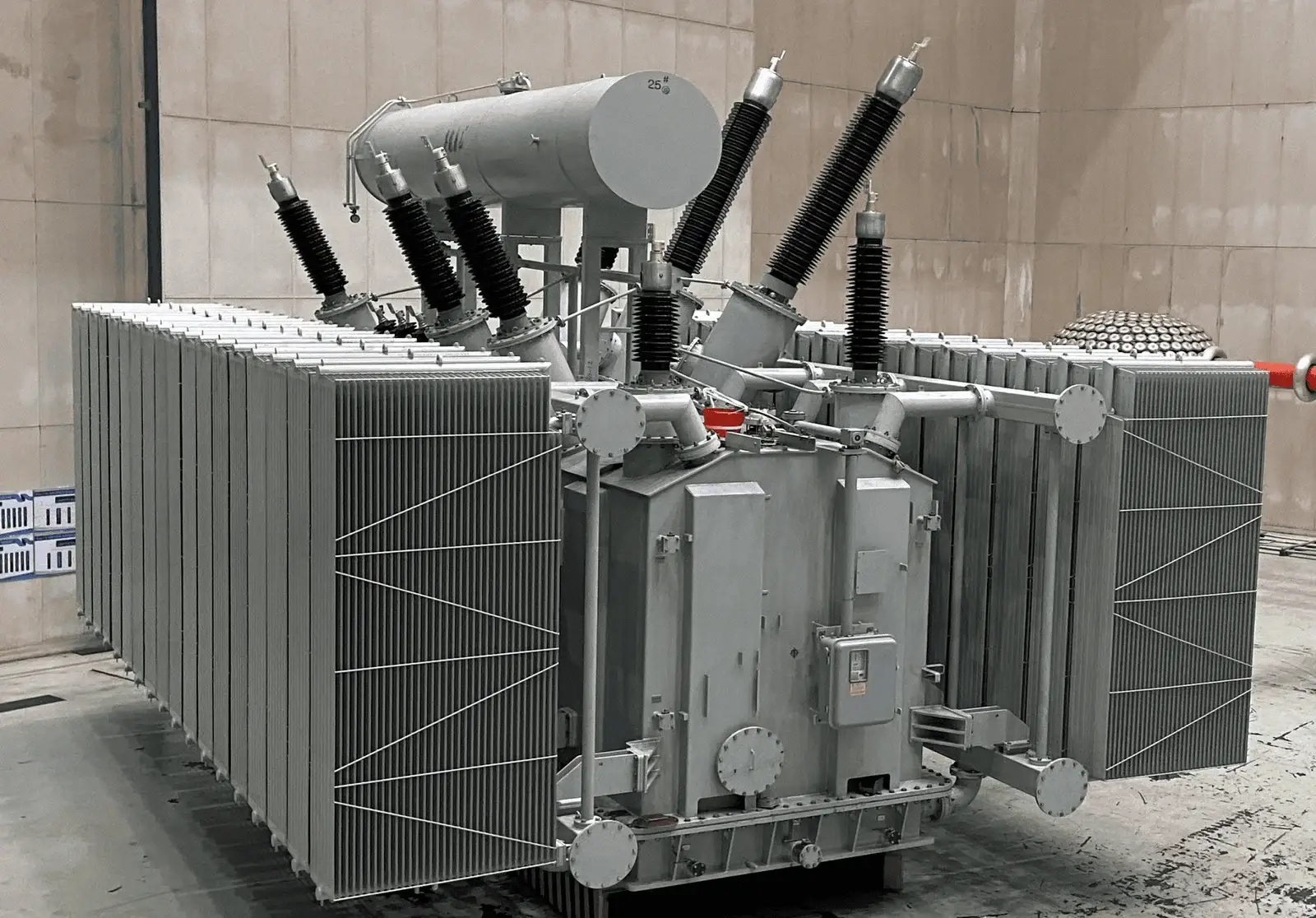
Voltage distribution illustrates how the oil immersed power transformer market allocates resources across grid levels.
| Voltage Level | Main Application | Demand Stability | Market Role |
|---|---|---|---|
| 10kV–35kV | Distribution Networks | High | Volume Base |
| 110kV | Urban Substations | High | Core Segment |
| 220kV | Regional Transmission | Medium–High | Capacity Driver |
| ≥330kV | Main Grid Nodes | Project-Based | Technical Benchmark |
Voltage-Level Structure and Procurement Logic
Lower voltage units dominate shipment volume, while higher voltage units define technical capability. Distribution transformers support daily grid operation and generate stable orders. High-voltage transformers involve stricter testing and longer production cycles. Utilities often evaluate suppliers based on high-voltage project performance before approving lower voltage volume contracts. This structure motivates manufacturers to invest in advanced testing and insulation technology, which elevates overall market standards.
Policy Environment and Market Predictability
Policy planning increases predictability within the oil immersed power transformer market. Grid investment plans span multiple years, which allows manufacturers to forecast capacity utilization. Energy transition policies promote grid reinforcement rather than reduction. Even renewable expansion increases transformer demand due to connection and balancing requirements. Because planning emphasizes reliability, oil immersed solutions remain essential at medium and high voltages. This policy consistency reduces abrupt market contraction risk and supports long-term supplier investment.
Why choose Kerun Intelligent Control?
Why choose Kerun Intelligent Control? Buyers evaluating the oil immersed power transformer market increasingly prioritize execution reliability and engineering discipline. Kerun Intelligent Control integrates standardized design with flexible configuration capability. Its production process emphasizes material traceability, controlled winding tension, and comprehensive routine testing. The company supports both domestic and export projects through documentation accuracy and delivery coordination. For procurement teams managing complex schedules, this consistency reduces technical uncertainty and communication friction across project phases.
Market Outlook and Structural Continuity
The oil immersed power transformer market in China continues to evolve through structural continuity rather than disruption. Demand shifts gradually toward higher efficiency, lower loss designs, and stronger environmental compliance. Manufacturers respond through incremental improvement instead of radical redesign. This evolutionary pattern supports asset longevity for utilities and predictable procurement cycles for suppliers. As grid complexity increases, oil immersed transformers remain a stable technical foundation rather than a transitional solution.
FAQ
Why does China sustain high demand in the oil immersed power transformer market?
China sustains high demand because electricity infrastructure expansion aligns with population density, industrial activity, and regional development planning. Power consumption growth does not rely on a single sector. Urbanization increases residential and commercial loads, while industrial clusters require stable continuous power. Grid reinforcement projects replace aging equipment and increase capacity margins. Renewable integration also creates new transformer requirements. These overlapping demand sources maintain consistent procurement cycles and reduce volatility across the oil immersed power transformer market.
How does export activity influence domestic transformer capability?
Export activity improves domestic capability by imposing stricter technical and documentation requirements. Overseas projects require compliance with international standards, environmental conditions, and testing protocols. Manufacturers adapt production and quality control systems to meet these expectations. These improvements later benefit domestic projects through higher reliability and better traceability. Export feedback therefore strengthens the overall oil immersed power transformer market rather than diverting resources away from local demand.
What factors differentiate suppliers within China’s transformer market?
Suppliers differ through engineering depth, testing capability, delivery coordination, and after-sales support. Material quality alone does not define competitiveness. Buyers evaluate winding accuracy, insulation consistency, and routine test completeness. Communication efficiency during project execution also matters. Suppliers with integrated production and experienced project teams reduce coordination risk. These factors shape long-term supplier relationships within the oil immersed power transformer market.