
What should be considered when purchasing a wholesale oil-immersed transformer?
-
Wholesale oil-immersed transformer purchasing requires careful evaluation of configuration, pricing structure, and delivery reliability for project success.

Why Is Wholesale Purchasing Different From Single-Unit Transformer Buying?
Wholesale oil-immersed transformer purchasing involves a fundamentally different decision framework compared to single-unit procurement. Buyers are usually managing project-level supply rather than isolated equipment replacement. Configuration consistency, batch reliability, and delivery coordination become critical factors. A single mismatch in specification may affect multiple substations or distribution nodes. Cost considerations extend beyond unit price to include logistics, installation efficiency, and lifecycle maintenance alignment. Wholesale buyers therefore prioritize suppliers capable of stable batch production and standardized quality control. This purchasing mode emphasizes predictability, scalability, and long-term operational compatibility rather than short-term savings.
How Should Configuration Be Evaluated for Wholesale Oil-Immersed Transformers?
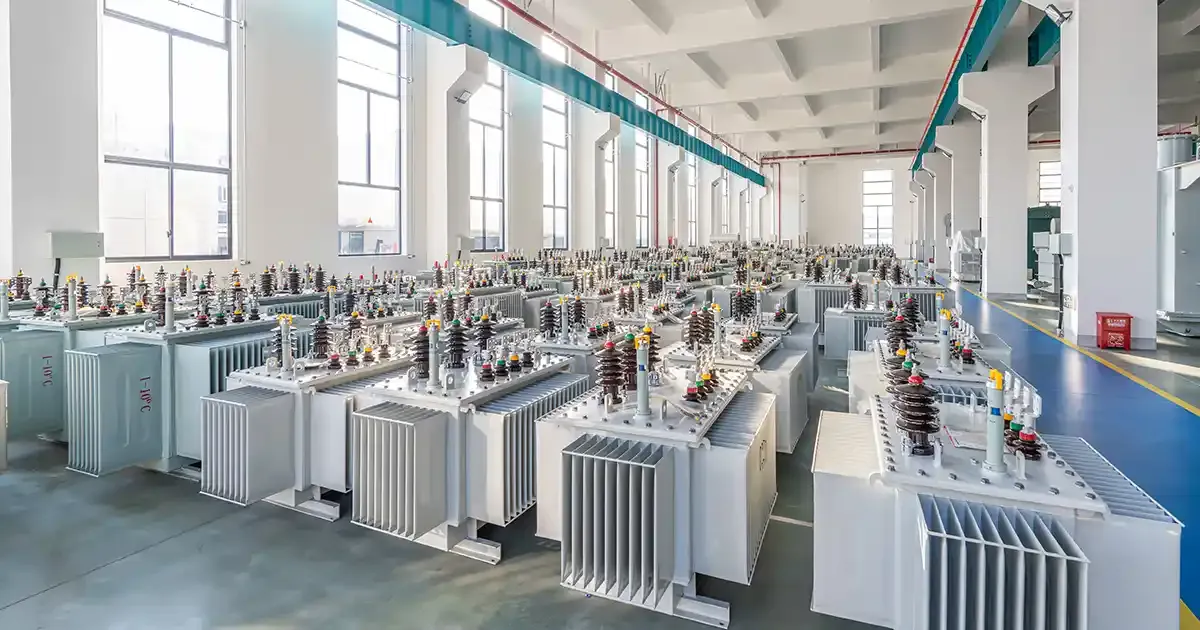
Configuration selection determines operational stability across all deployed units. Wholesale buyers must confirm voltage ratings, capacity ranges, cooling methods, and insulation classes early in the procurement process. Consistency across batches simplifies installation and commissioning. Custom configurations should be carefully reviewed for feasibility and repeatability. Transformer design must align with grid standards and site conditions. Wholesale procurement amplifies the impact of configuration errors, making upfront technical validation essential. A reliable supplier supports configuration verification and ensures uniform execution across production cycles, reducing downstream risks and rework costs.
Which Configuration Factors Matter Most in Bulk Procurement?
- Rated voltage and capacity alignment
- Cooling system consistency
- Insulation class and oil specification
- Standardized terminal and bushing design
- Compatibility with installation environments
Why Configuration Consistency Protects Project Outcomes
Each configuration factor influences installation efficiency and long-term performance. Voltage mismatches complicate grid integration. Cooling inconsistencies affect thermal behavior. Insulation variation increases maintenance complexity. Standardized interfaces simplify on-site work. Wholesale procurement magnifies these impacts across multiple units. Ensuring configuration consistency reduces technical uncertainty and improves project coordination. This disciplined approach protects schedule integrity and operational reliability.
How Should Price Be Interpreted in Wholesale Oil-Immersed Transformer Deals?
Price evaluation in wholesale oil-immersed transformer procurement requires more than unit cost comparison. Buyers must assess what is included in the quoted price, such as testing, packaging, certification, and export preparation. Low headline prices may hide risks related to quality control or delivery reliability. Volume discounts should be balanced against long-term service capability. Payment terms, currency exposure, and logistics costs also influence total procurement cost. A transparent pricing structure reflects supplier maturity and supports informed decision-making rather than short-term cost optimization.
How Does Delivery Time Influence Wholesale Purchasing Decisions?
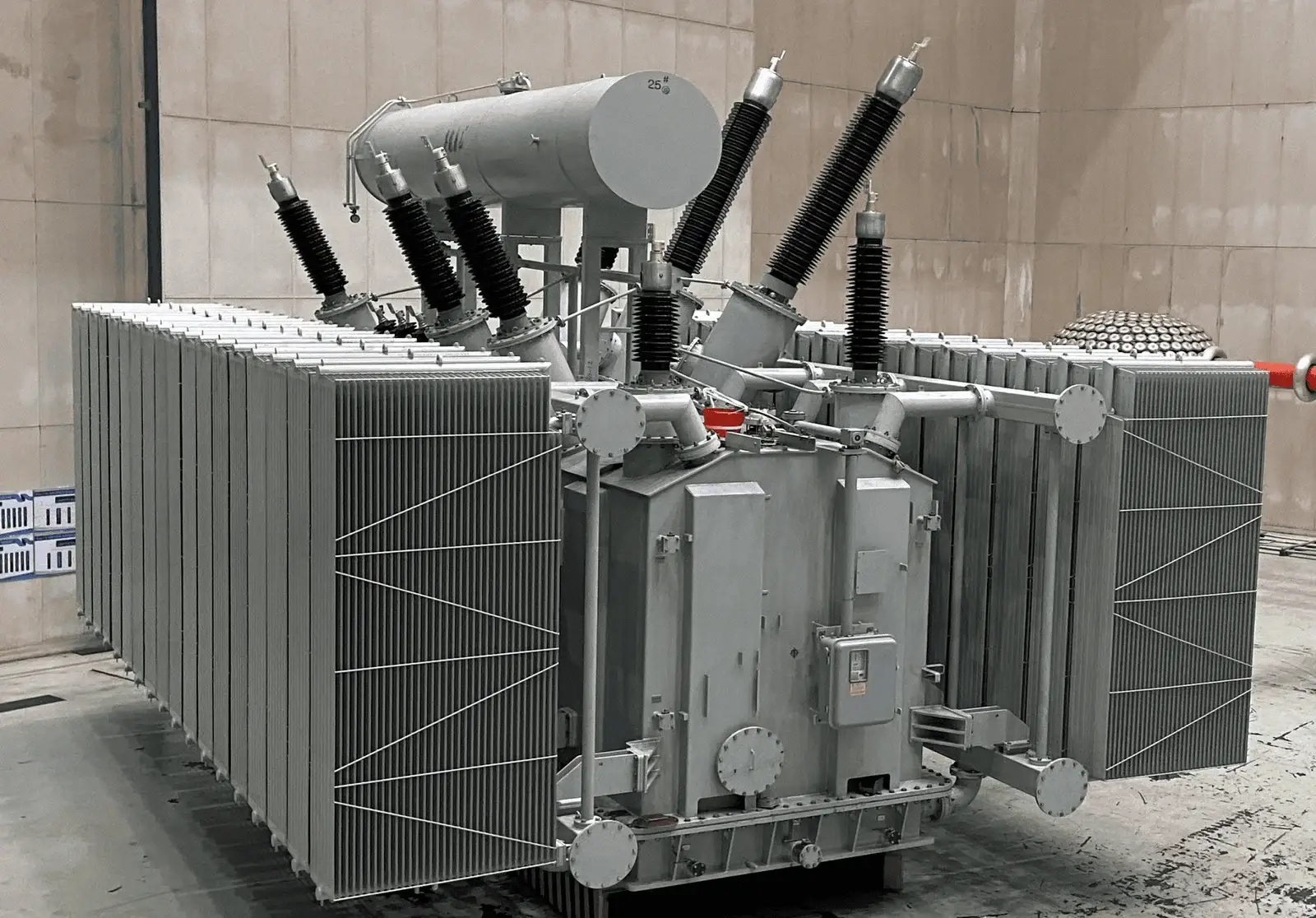
Delivery time directly affects project sequencing and cash flow planning. Wholesale orders often align with construction milestones and grid connection schedules. Delayed delivery can cascade into installation delays and contractual penalties. Buyers should assess production capacity, batch scheduling ability, and logistics coordination. Reliable suppliers provide realistic lead times and buffer planning. Delivery transparency supports project confidence. In wholesale procurement, delivery reliability often outweighs marginal price differences due to its impact on overall project success.
What Should Buyers Compare When Evaluating Wholesale Offers?
| Evaluation Aspect | Wholesale Consideration |
|---|---|
| Configuration stability | Batch consistency assurance |
| Pricing structure | Transparent total cost |
| Lead time | Aligned with project schedule |
| Quality control | Standardized testing process |
| After-sales support | Scalable service capability |
How These Comparison Points Guide Better Procurement Decisions
Each comparison point addresses a specific wholesale risk. Configuration stability prevents rework. Transparent pricing avoids hidden costs. Reliable lead time protects schedules. Quality control ensures batch reliability. After-sales support sustains long-term operation. Evaluating offers through these lenses enables buyers to select suppliers aligned with project objectives rather than short-term savings.
Why Choose Kerun Intelligent Control?
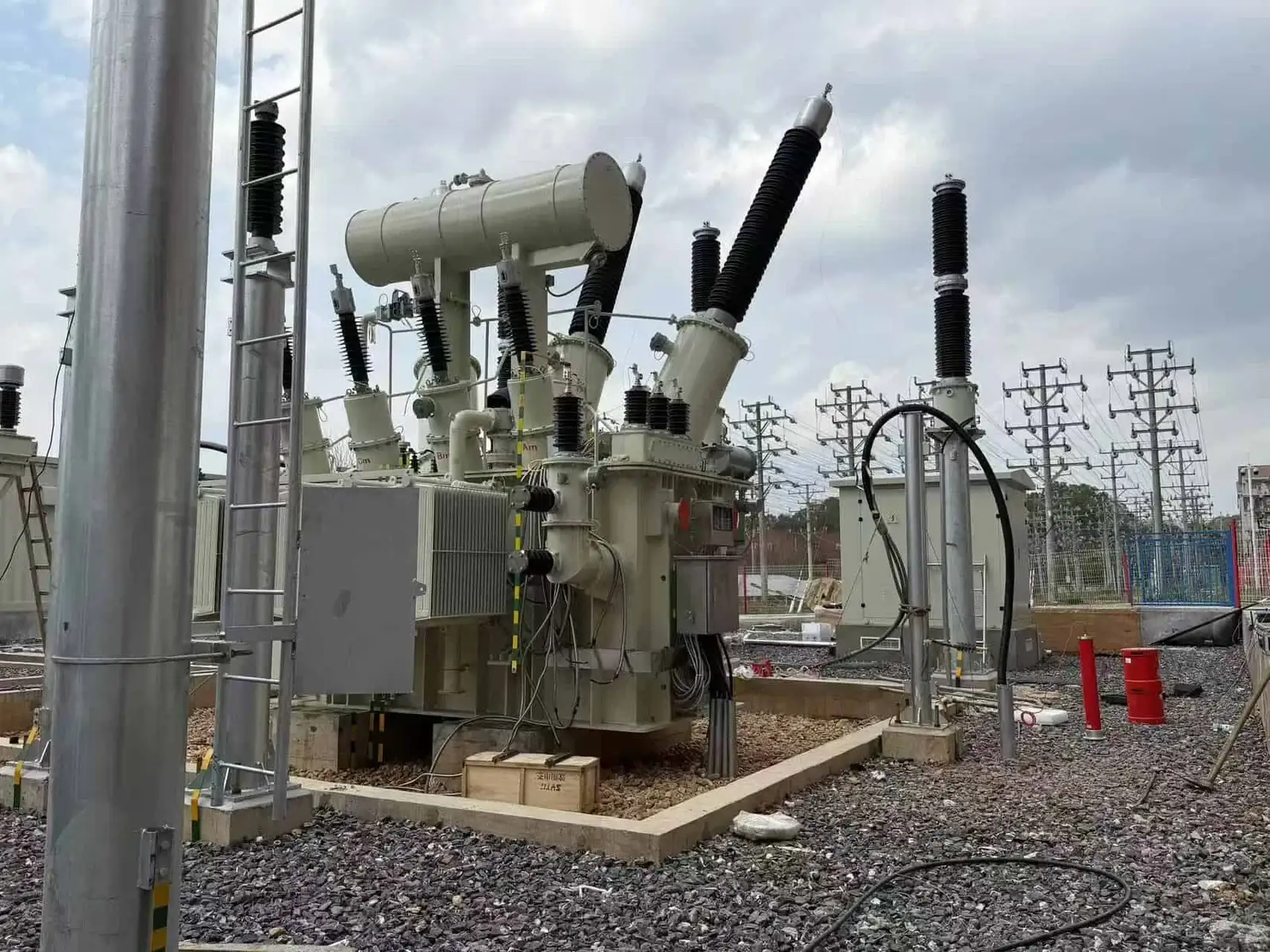
Why choose Kerun Intelligent Control? Wholesale procurement demands more than manufacturing capability. Kerun integrates configuration validation, batch production stability, and delivery coordination into a unified procurement experience. Technical teams support specification review before order confirmation. Production planning aligns with project schedules. Quality control processes ensure consistency across all units. Export and logistics coordination support international delivery. Kerun’s approach reduces procurement risk while improving predictability. This makes Kerun a dependable partner for wholesale oil-immersed transformer purchasing.
How Does After-Sales Support Affect Wholesale Value?
After-sales support becomes more critical as procurement scale increases. Wholesale buyers require consistent documentation, spare parts planning, and technical guidance. Support continuity ensures smooth commissioning across multiple sites. Suppliers with structured after-sales systems reduce operational friction. Long-term responsiveness protects asset performance. Wholesale value therefore extends beyond delivery into operational lifecycle support. Strong after-sales capability reinforces procurement confidence and long-term collaboration.
FAQ
Is wholesale oil-immersed transformer purchasing suitable for all projects?
Wholesale purchasing suits projects requiring multiple transformers with similar specifications. It benefits grid expansion, industrial parks, and distribution networks. Smaller projects may not require batch procurement. Scale determines suitability. Wholesale procurement improves consistency and cost efficiency for multi-unit deployments.
How can buyers reduce risk when purchasing wholesale transformers?
Risk reduction begins with configuration validation, supplier evaluation, and delivery planning. Clear technical requirements prevent mismatch. Reliable suppliers ensure consistency. Structured communication supports coordination. Risk management is embedded throughout the procurement process.
Does wholesale purchasing affect transformer quality?
Quality depends on supplier capability, not order size. Professional suppliers maintain quality across batches. Standardized processes ensure consistency. Wholesale purchasing does not compromise quality when managed correctly.
