
How Can You Identify a Reliable Oil Immersed Power Transformer Manufacturer?
-
Choosing an oil immersed power transformer manufacturer depends on engineering strength, certifications, production capacity, testing systems, and service reliability.
Why Does Manufacturer Selection Matter for Oil Immersed Power Transformers?
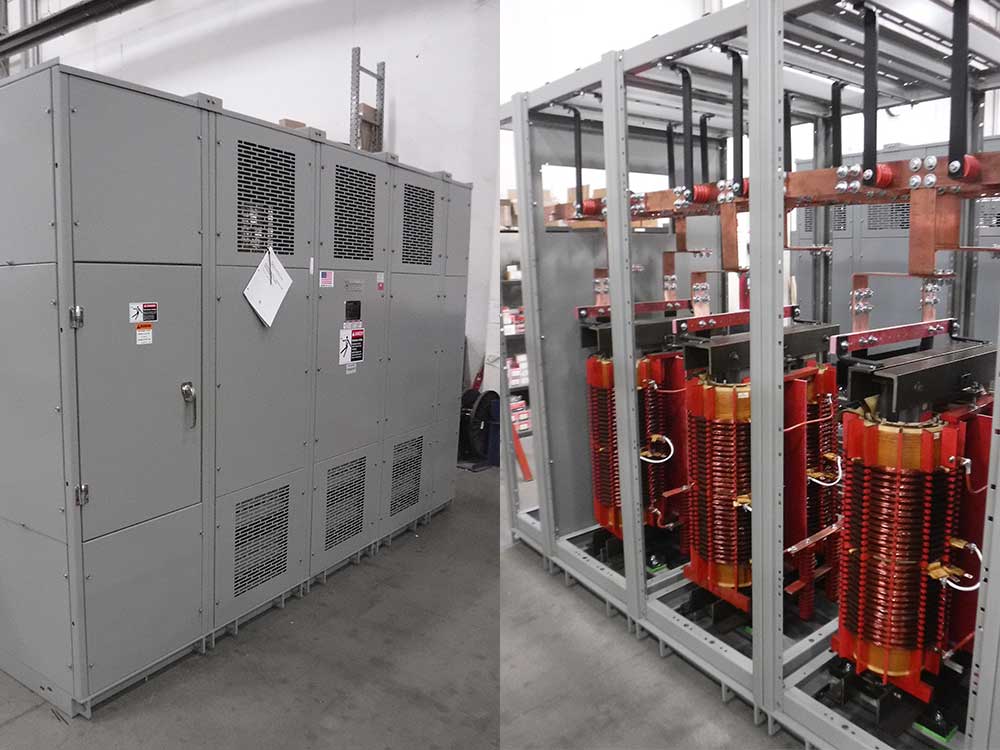
Selecting the right manufacturer affects grid reliability. Equipment quality influences long-term performance. Oil immersed power transformers operate under continuous electrical stress. Failure risk increases when design margins remain insufficient. Utilities depend on stable insulation behavior. Manufacturers define material choice and assembly accuracy. Procurement decisions therefore extend beyond price. Long service life depends on upstream production discipline. Manufacturer capability becomes a critical evaluation factor.
How Does Technical Capability Reflect Manufacturer Reliability?
Technical capability determines transformer performance consistency. Design teams define electromagnetic structure. Core geometry affects loss control. Winding layout influences thermal distribution. Oil channel design supports heat dissipation. Reliable manufacturers invest in simulation tools. Finite element analysis improves accuracy. Testing data validates assumptions. Strong technical foundations reduce operational uncertainty. Buyers should examine engineering depth carefully.
What Role Does Manufacturing Process Control Play?
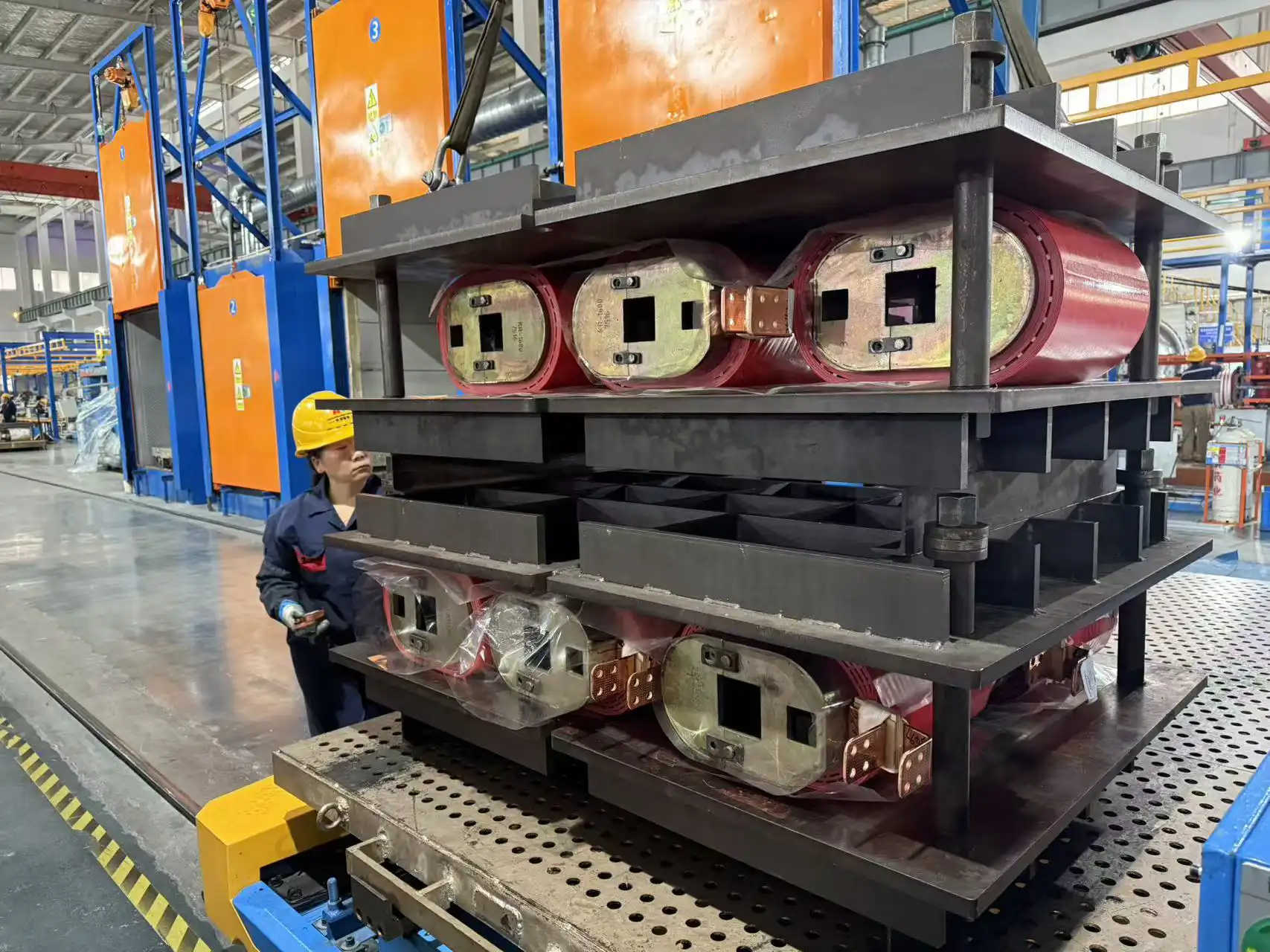
Process control ensures design intent becomes physical reality. Precision cutting improves core alignment. Controlled winding tension protects insulation layers. Vacuum oil filling removes moisture. Drying cycles stabilize dielectric strength. Each step requires strict monitoring. Reliable manufacturers document procedures. Process audits confirm repeatability. Quality outcomes depend on disciplined execution. Production control reflects organizational maturity.
Why Are Certifications Important When Evaluating Manufacturers?
Certifications demonstrate compliance with recognized standards. International grids require IEC alignment. Some regions demand IEEE conformity. Quality management systems support traceability. Environmental standards influence oil handling. Safety certifications address operational risk. Reliable manufacturers maintain valid approvals. Audited systems reduce compliance uncertainty. Certifications provide measurable credibility signals. Buyers should verify scope and validity.
How Does Production Capacity Influence Supply Reliability?
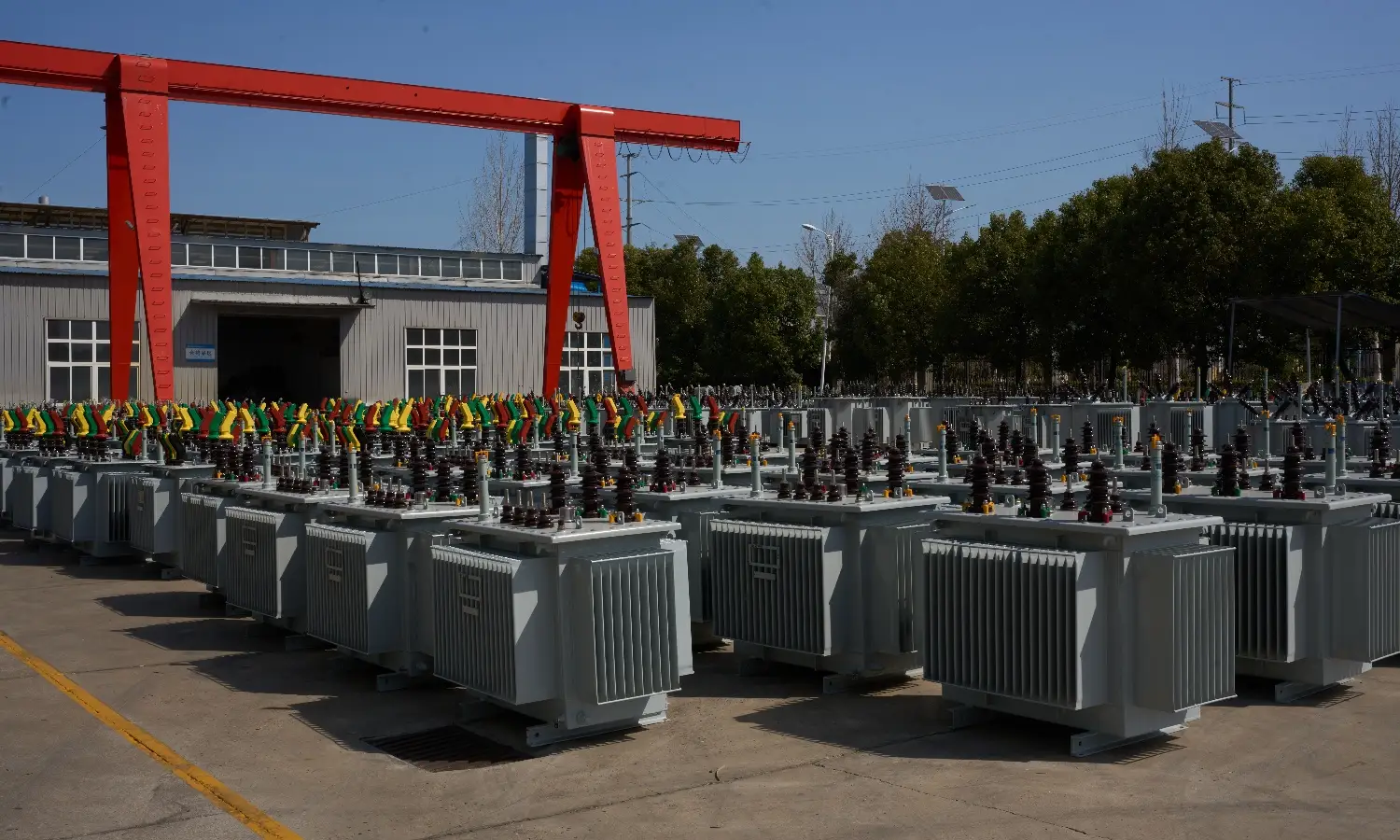
Production capacity affects delivery stability. Large projects require schedule alignment. Limited capacity increases lead time risk. Reliable manufacturers scale resources effectively. Multiple production lines enhance flexibility. In-house component manufacturing reduces dependency. Capacity planning supports peak demand periods. Buyers benefit from predictable delivery windows. Production scale therefore impacts procurement confidence.
What Should Buyers Look for in Testing Capabilities?
Testing verifies transformer performance before deployment. Routine tests confirm electrical parameters. Type tests validate design robustness. Temperature rise tests assess thermal margins. Partial discharge tests check insulation integrity. Reliable manufacturers maintain certified laboratories. In-house testing reduces external dependency. Transparent reports support acceptance decisions. Testing capability signals technical seriousness.
Which Manufacturer Attributes Influence Long-Term Operation?
- Stable insulation material sourcing
- Experienced engineering workforce
- Documented quality control systems
- Consistent testing infrastructure
- Responsive technical support teams
Why These Attributes Matter for Manufacturer Evaluation
Each attribute affects lifecycle performance. Material sourcing impacts insulation aging. Engineering experience supports complex customization. Quality systems reduce production variation. Testing infrastructure confirms reliability. Technical support assists during operation. Together, these factors define manufacturer reliability. Buyers should assess attributes holistically.
How Do Customization Capabilities Affect Manufacturer Value?
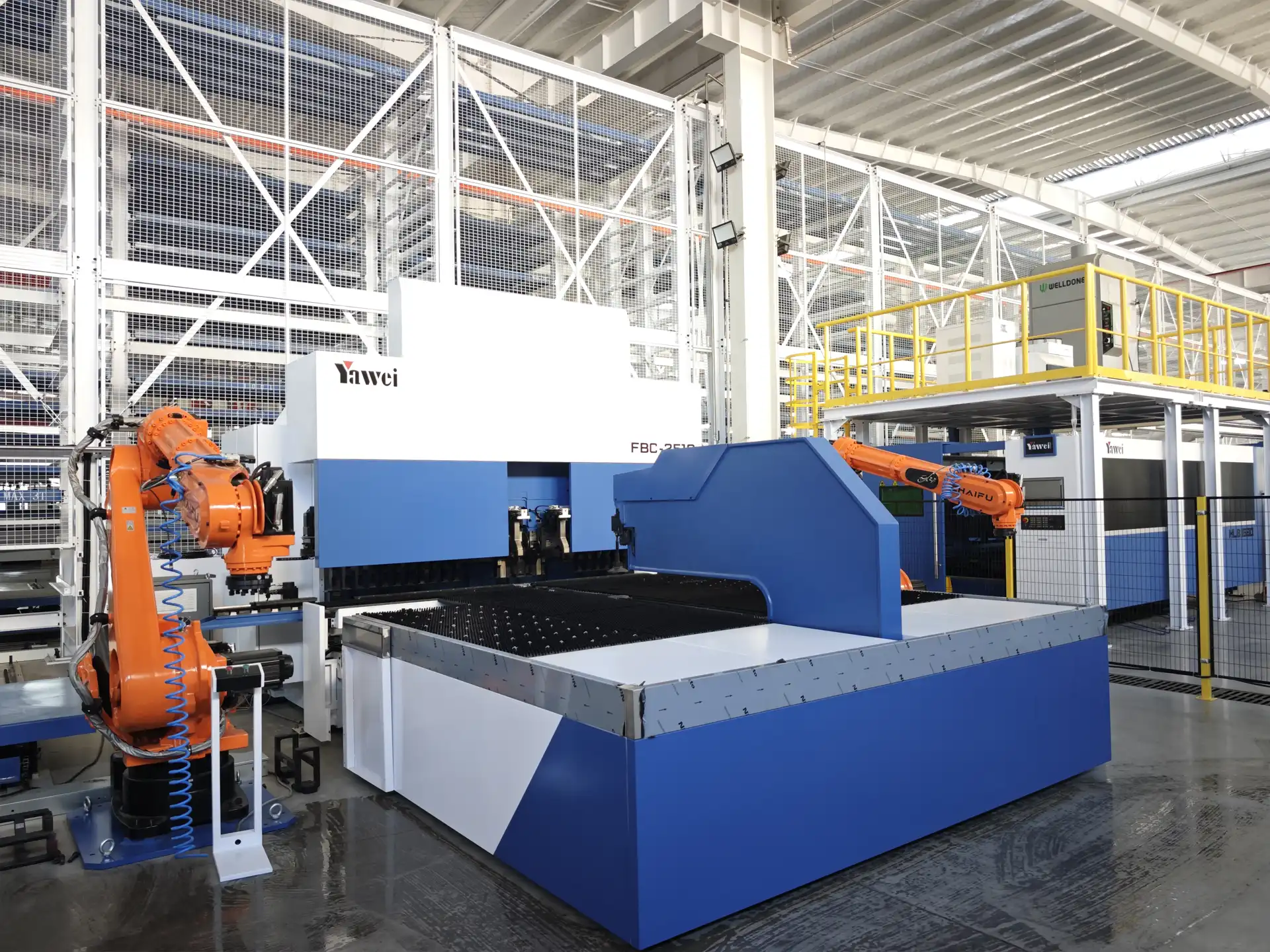
Grid projects vary significantly. Environmental conditions differ. Load profiles change by region. Installation constraints require adaptation. Reliable manufacturers support customization. Engineering teams adjust specifications efficiently. Design flexibility reduces integration risk. Standard-only suppliers limit application scope. Customization capability enhances project compatibility. Buyers gain operational alignment.

What Is the Importance of Export Experience for Manufacturers?
Export experience reflects regulatory adaptability. Different markets apply different standards. Documentation requirements vary. Logistics coordination becomes complex. Reliable manufacturers manage international compliance. Export records demonstrate procedural maturity. Language support improves communication clarity. Global references increase buyer confidence. Export experience strengthens manufacturer credibility.
How Can Buyers Compare Manufacturers Effectively?
| Evaluation Factor | Buyer Focus |
|---|---|
| Engineering capability | Design accuracy and margins |
| Certifications | Regulatory compliance |
| Production capacity | Delivery reliability |
| Testing systems | Performance verification |
| Service support | Operational continuity |
Why Structured Comparison Improves Selection Outcomes
Structured comparison avoids subjective decisions. Clear criteria support consistent evaluation. Engineering capability ensures performance. Certifications reduce regulatory risk. Capacity supports schedules. Testing verifies quality. Service support protects operations. Buyers improve outcomes through systematic assessment. Reliable manufacturers stand out under structured review.
How Does After-Sales Support Reflect Manufacturer Commitment?
After-sales support extends beyond delivery. Commissioning assistance reduces installation error. Technical guidance supports initial operation. Spare parts availability shortens downtime. Maintenance advice improves lifespan. Reliable manufacturers maintain service teams. Communication remains responsive. Long-term engagement signals responsibility. Support capability reflects manufacturer accountability.
What Are Common Risks When Choosing the Wrong Manufacturer?
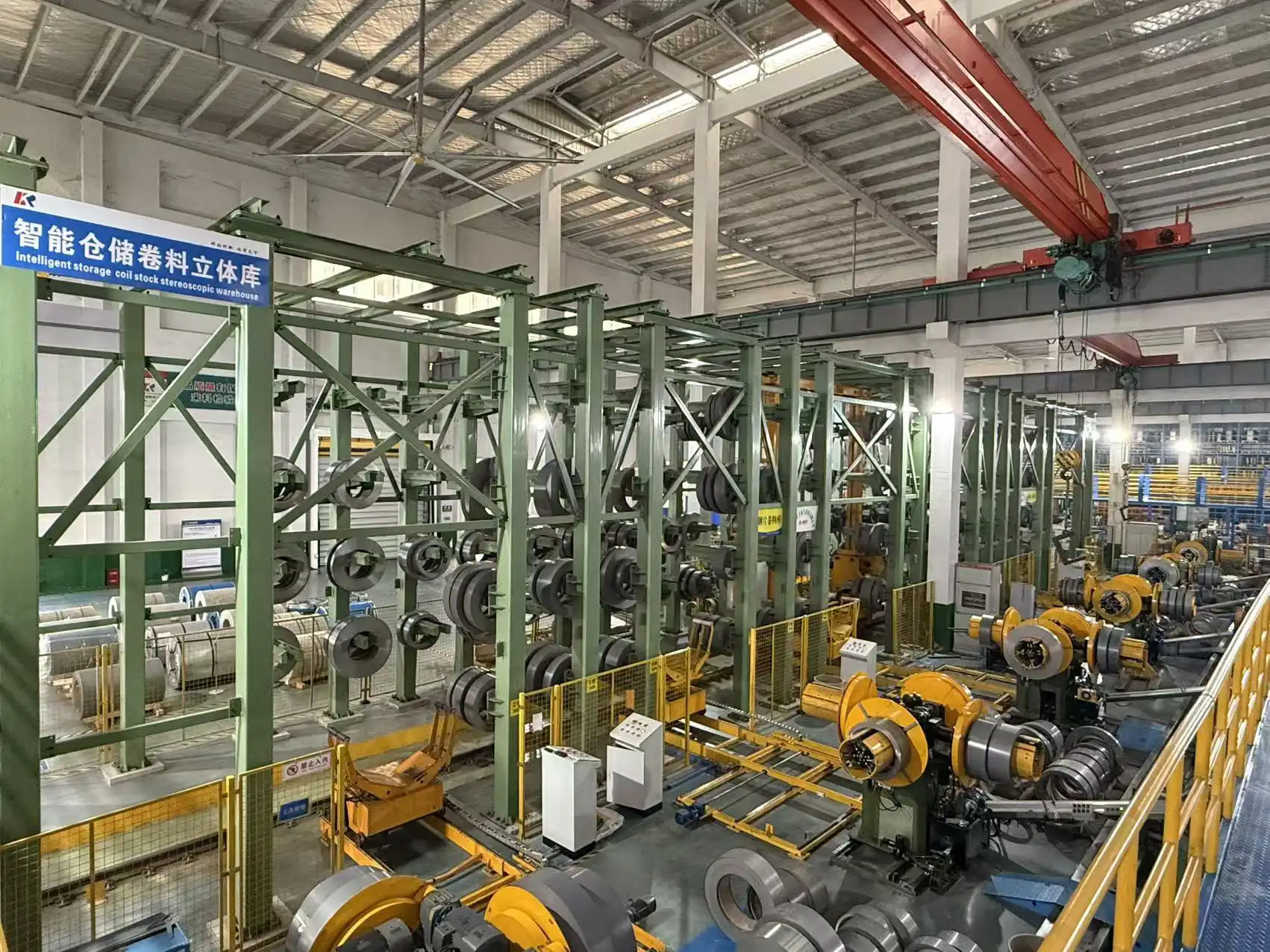
Poor material selection accelerates aging. Inadequate testing allows hidden defects. Limited capacity delays projects. Weak documentation complicates approvals. Insufficient support increases downtime. These risks affect grid stability. Reliable manufacturers mitigate such issues. Buyer diligence reduces long-term exposure. Manufacturer choice therefore impacts operational security.
FAQ
How can buyers verify an oil immersed power transformer manufacturer’s technical strength?
Buyers should examine engineering depth and testing records. Design documentation reveals calculation rigor. Type test reports demonstrate validation capability. Laboratory accreditation confirms measurement accuracy. Engineering team experience supports complex requirements. Past project references indicate applied competence. Together, these elements provide measurable evidence of technical strength. Verification reduces uncertainty before procurement decisions.
Why do certifications matter when selecting a transformer manufacturer?
Certifications confirm alignment with recognized standards. Grid operators require compliance for safety and reliability. Audited systems ensure consistent production practices. Environmental approvals address oil handling concerns. Certification scope reveals operational maturity. Valid approvals reduce regulatory delays. Manufacturers without certification increase project risk. Certifications therefore support smoother deployment.
What long-term benefits come from choosing a reliable manufacturer?
Reliable manufacturers deliver stable performance over decades. Equipment experiences fewer failures. Maintenance costs remain predictable. Technical support resolves issues efficiently. Documentation supports asset management. Lifecycle value increases. Procurement decisions impact operational continuity. Choosing reliability protects infrastructure investment and grid stability.