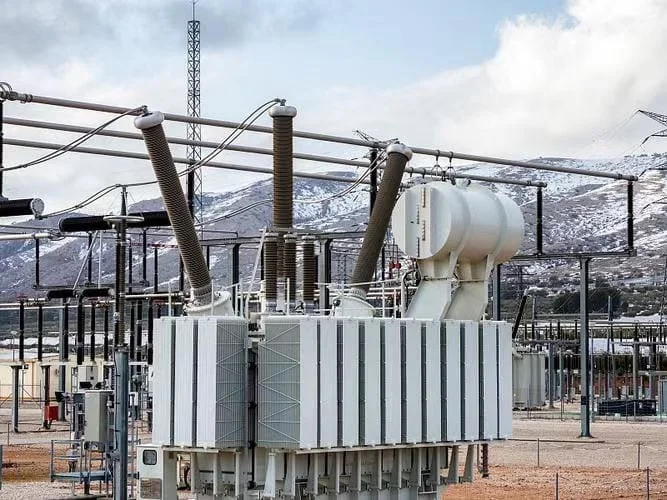
Why Is the 110kV Oil Immersed Power Transformer Widely Deployed?
-
Why a 110kv oil immersed power transformer is widely used in high voltage transmission and regional power networks.

Why Does 110kV Play a Key Role in High Voltage Power Networks?
High voltage transmission requires a balance between distance, capacity, and infrastructure cost. The 110kV level meets this balance effectively. Many national grids rely on 110kV as a primary transmission layer. A 110kv oil immersed power transformer enables efficient voltage conversion within this network tier. Power utilities use it to connect generation sources with regional substations. Stable performance at this voltage supports long-distance power flow. These factors explain its widespread deployment in high voltage systems.
What Defines a 110kV Oil Immersed Power Transformer?
A 110kv oil immersed power transformer is designed for high voltage transmission environments. Its windings and magnetic core operate inside an oil-filled tank. The oil provides insulation and cooling simultaneously. This structure handles higher electrical stress compared with medium voltage units. High voltage insulation reliability remains essential. Oil immersion reduces discharge risk under elevated voltage conditions. This design supports long-term operation in main grid applications.
How Oil Immersion Supports High Voltage Performance
High voltage operation generates significant thermal and electrical stress. Transformer oil absorbs heat generated by load currents. It also distributes electric fields evenly. These effects reduce insulation degradation. Stable insulation prevents internal faults. High voltage networks depend on predictable transformer behavior. Oil immersed designs deliver this stability consistently. Power system reliability improves as a result.
Role in Main Grid Transmission Systems
Main transmission grids require robust voltage transformation. A 110kv oil immersed power transformer connects power plants to regional networks. It also links regional substations within the grid. These transformers support continuous high-load operation. Grid operators rely on their endurance. Oil cooling allows stable performance during peak transmission periods. Main grid reliability depends heavily on these units.
Support for Regional Power Distribution
Regional power systems distribute electricity from main grids to cities and industries. 110kV substations act as transition points. Oil immersed transformers reduce voltage for downstream networks. Stable output ensures reliable regional supply. Cities depend on consistent power delivery. Industrial zones require predictable voltage quality. These transformers serve both needs effectively.

Typical Applications of 110kV Oil Immersed Transformers
110kV transformers appear across various high voltage scenarios.
-
Main transmission substations
-
Regional grid nodes
-
Power plant step-down stations
-
Urban high voltage substations
Why These High Voltage Scenarios Depend on Oil Immersed Designs
Each scenario involves continuous high-load operation. Transmission substations handle long-distance power flow. Regional nodes manage load distribution. Oil immersed transformers provide thermal stability and insulation strength. These qualities match high voltage operational demands. Utilities favor proven designs at this level.
Capacity Characteristics in 110kV Systems
110kV oil immersed power transformers operate across large capacity ranges. Units often exceed tens of MVA. Capacity selection depends on network scale. Transmission corridors require higher ratings. Regional substations use moderate capacities. Proper sizing prevents overload and inefficiency. Engineers plan capacity to match long-term grid growth.
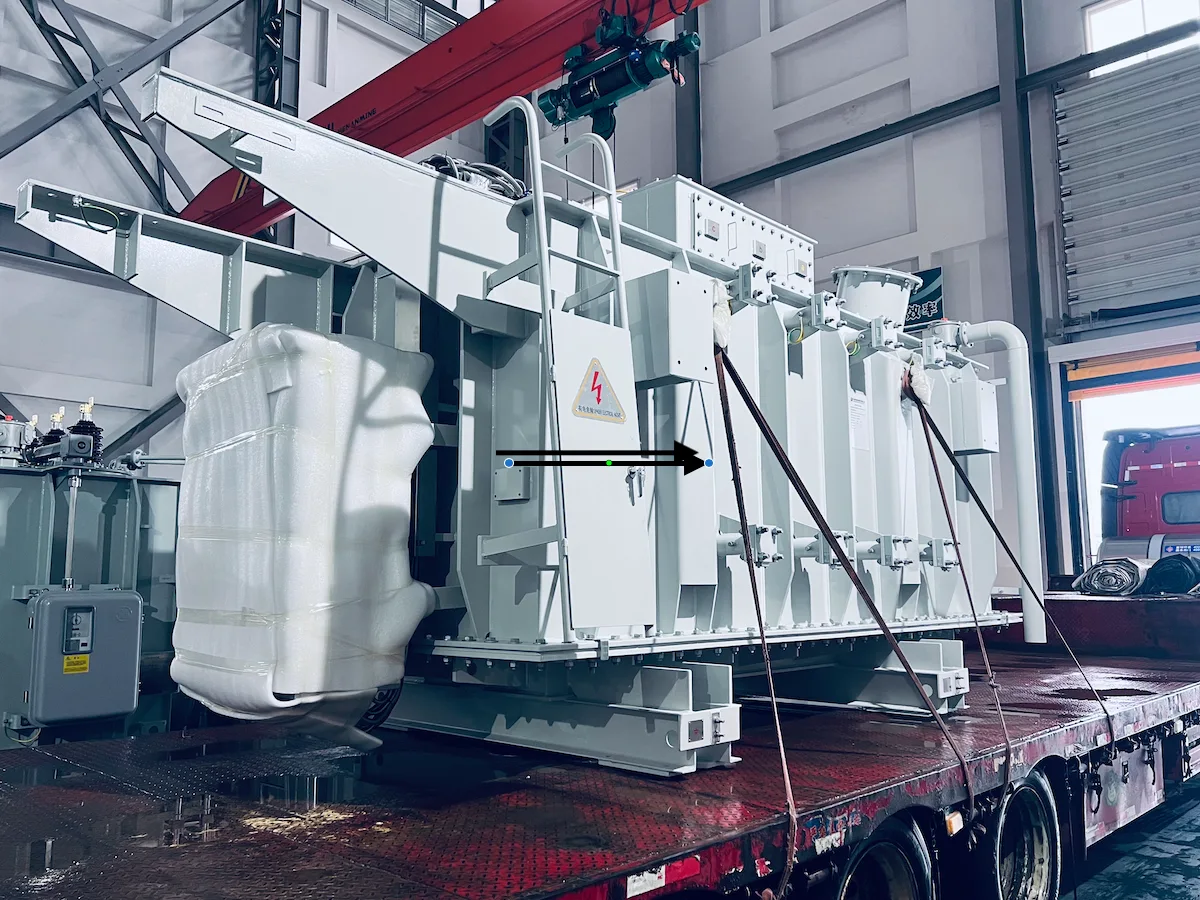
Typical Capacity Mapping for 110kV Transformers
| Capacity Range | Application Area | Grid Function |
|---|---|---|
| 20–40 MVA | Regional substations | Voltage step-down |
| 50–80 MVA | Main grid nodes | Power transmission |
| 100 MVA+ | Power plant connections | High load transfer |
How Capacity Selection Supports Grid Stability
Adequate capacity prevents voltage drops under peak load. High voltage networks experience demand fluctuations. Oil immersed transformers absorb thermal stress efficiently. Correct sizing ensures voltage stability. Grid operators prioritize this reliability. Stable capacity planning supports long-term network performance.
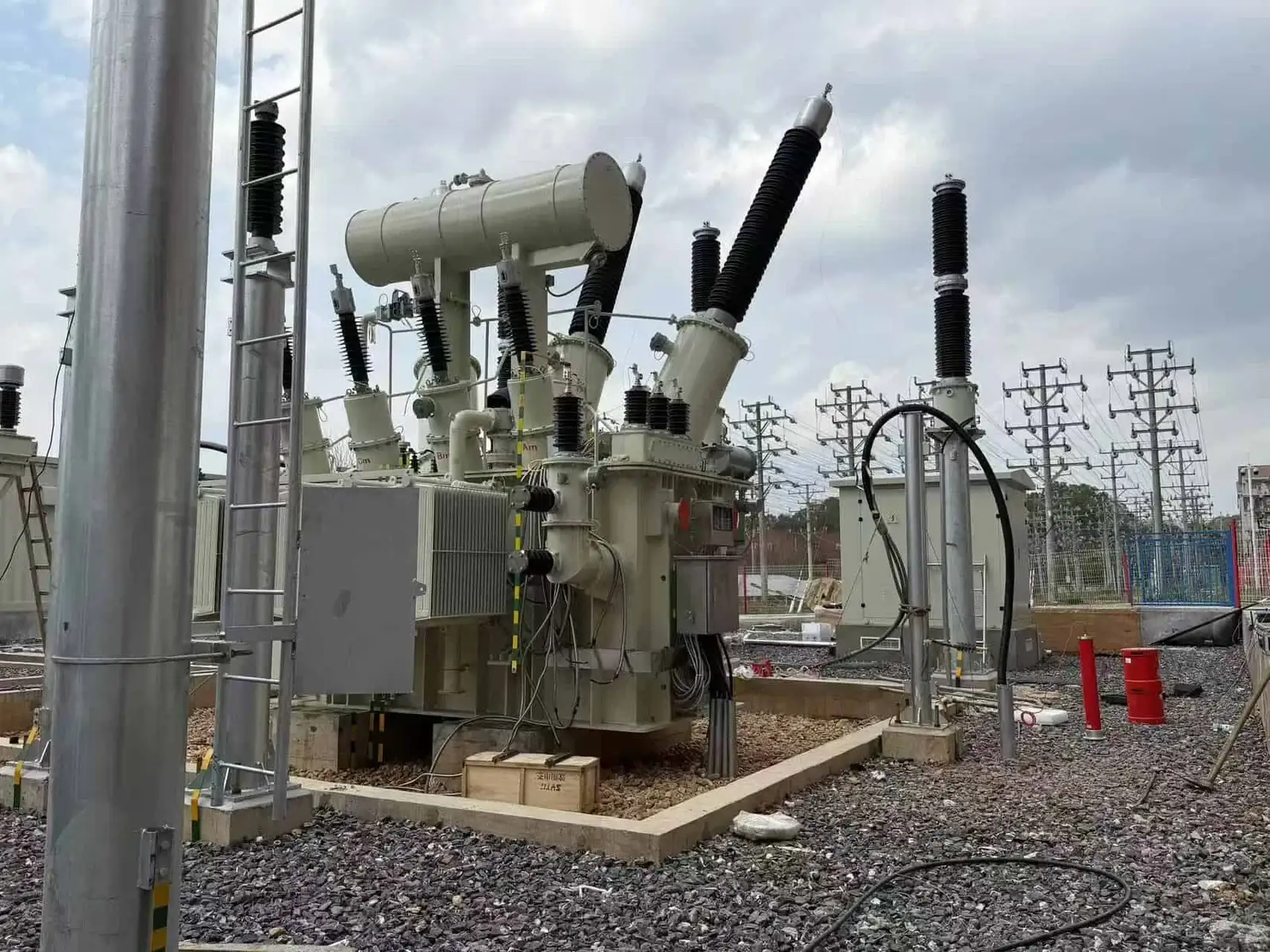
Installation Environments for 110kV Transformers
110kV transformers are typically installed outdoors. Substations require weather-resistant designs. Oil immersed tanks provide sealed protection. Cooling systems operate reliably in open environments. These installations support grid accessibility. Maintenance teams benefit from clear layout planning. Environmental adaptability remains a key advantage.
Maintenance Practices in High Voltage Applications
Maintenance focuses on oil quality monitoring. Insulation testing verifies transformer health. Bushing inspection prevents external faults. Cooling systems require periodic checks. Predictable maintenance supports asset longevity. Utilities schedule inspections to minimize outages. Oil immersed transformers align well with these practices.
Why Utilities Continue Choosing 110kV Oil Immersed Transformers
Power networks demand proven solutions. A 110kv oil immersed power transformer offers reliability and scalability. Its design supports high voltage stress and thermal loads. Utilities value predictable performance. Long service life reduces lifecycle cost. These advantages ensure continued deployment worldwide.
FAQ
Why is the 110kV oil immersed power transformer common in main grids?
Main grids require stable high voltage transmission across long distances. The 110kV level balances efficiency and infrastructure investment. Oil immersed transformers provide strong insulation and thermal control. These features support continuous high-load operation. Grid operators depend on predictable behavior at this voltage. Reliability remains essential for national power networks.
How does oil immersion improve high voltage transformer reliability?
Oil immersion enhances insulation strength and heat dissipation. Transformer oil absorbs heat generated during operation. It also stabilizes internal electric fields. These effects reduce insulation aging. Lower aging rates improve reliability. High voltage systems benefit from fewer internal faults. Long-term performance improves as a result.
What factors influence 110kV transformer selection for regional power systems?
Selection depends on capacity demand, network configuration, and environmental conditions. Regional load growth influences rating choice. Installation space affects cooling design. Maintenance strategy also matters. Engineers consider efficiency and durability. Proper selection ensures stable regional power delivery.