
What Role Does an Oil Immersed Current Transformer Play in Protection?
-
How an oil immersed current transformer supports protection and metering, highlighting accuracy, insulation reliability, and system stability
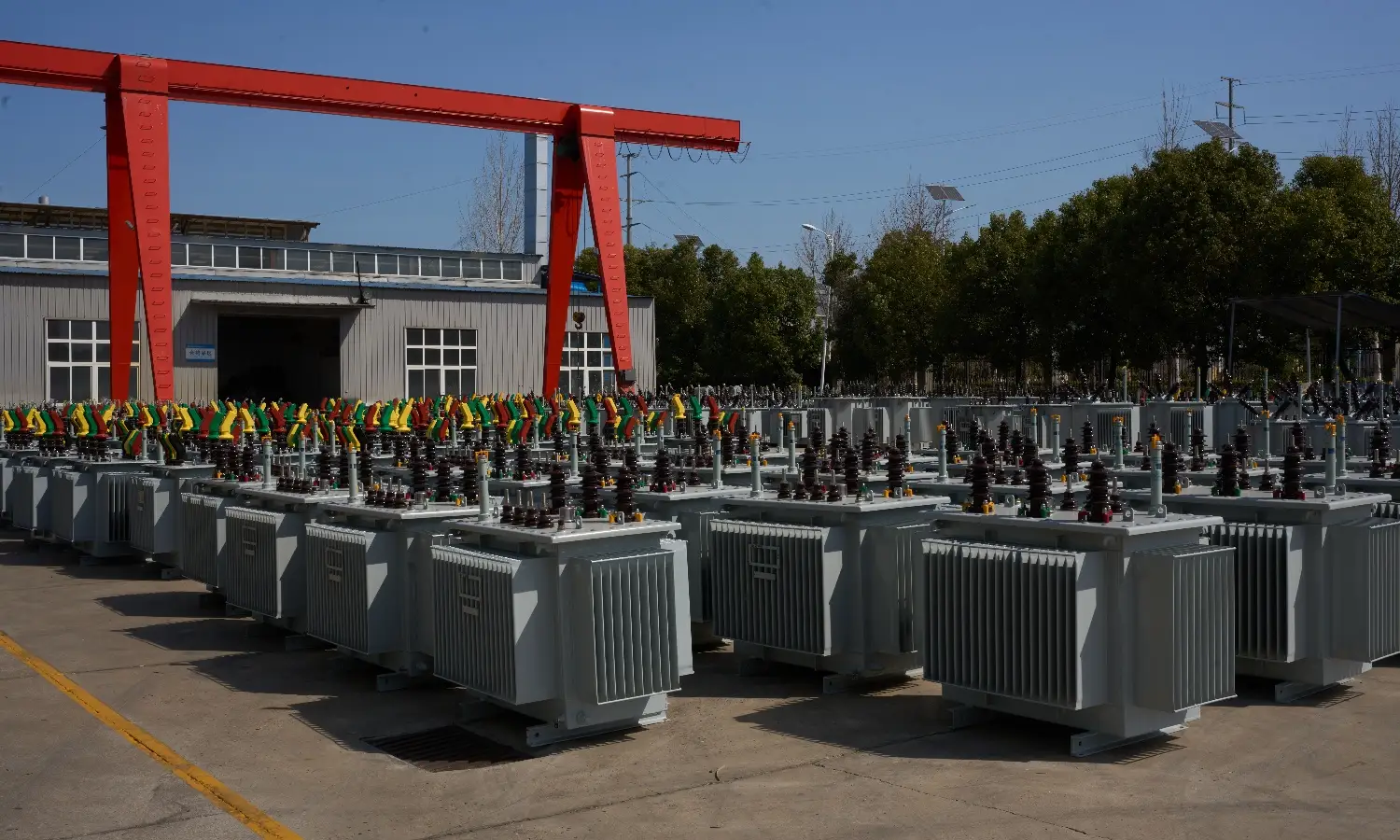
Why Current Measurement Determines Protection System Reliability
Current measurement forms the foundation of every electrical protection system in modern power networks. Protective relays depend on precise current signals to identify abnormal operating conditions, isolate faults, and maintain system stability. When current data lacks accuracy or stability, protection schemes lose selectivity and speed. An oil immersed current transformer ensures consistent current conversion even under high voltage and fault stress. Its insulation system maintains signal integrity during sudden current surges. This reliability allows protection devices to operate within designed time limits. Stable current measurement therefore reduces unnecessary outages, protects critical equipment, and supports continuous grid operation in demanding environments.
What Is an Oil Immersed Current Transformer?
An oil immersed current transformer is a measurement device designed to reduce high primary currents to standardized secondary values for monitoring and protection. The primary conductor carries system current through the transformer core, while secondary windings generate proportional output. Insulating oil fills the internal structure and surrounds the active parts. This oil provides dielectric strength and effective heat dissipation during continuous operation. The transformer structure allows safe operation at medium and high voltage levels. Oil immersed designs remain common in substations, switchyards, and transformer bays. Their configuration prioritizes insulation reliability, measurement accuracy, and long-term operational stability.
How Does an Oil Immersed Current Transformer Support Protection Functions?
Protection functions rely on precise current thresholds to trigger correct responses. When short circuits or overloads occur, current rises sharply within milliseconds. Oil immersed current transformers deliver accurate scaled current to protection relays during these events. The oil insulation stabilizes internal temperature and magnetic performance. This stability reduces ratio errors under fault conditions. Protection relays receive dependable input signals and respond rapidly. Selective tripping isolates only the affected section. Healthy circuits remain energized. As a result, oil immersed current transformers directly support fault discrimination, system coordination, and overall network resilience.
Metering and Protection: Dual Functions of Oil Immersed CTs
Oil immersed current transformers often combine metering and protection functions within a single unit. This dual-purpose design supports efficient substation layouts and reduces equipment count.
-
Energy metering for accurate billing
-
Overcurrent protection for feeder safety
-
Differential protection for power transformers
-
Backup protection for transmission lines
Why Dual-Function Design Matters in Substations
Substation space and wiring complexity influence system cost and reliability. Dual-function oil immersed CTs reduce panel density and simplify secondary circuits. Separate cores within the same housing allow different accuracy classes. Metering cores prioritize ratio precision, while protection cores focus on saturation behavior. Oil insulation supports stable performance for both roles. Utilities benefit from reduced maintenance effort and improved coordination. This design approach enhances system efficiency without compromising accuracy.
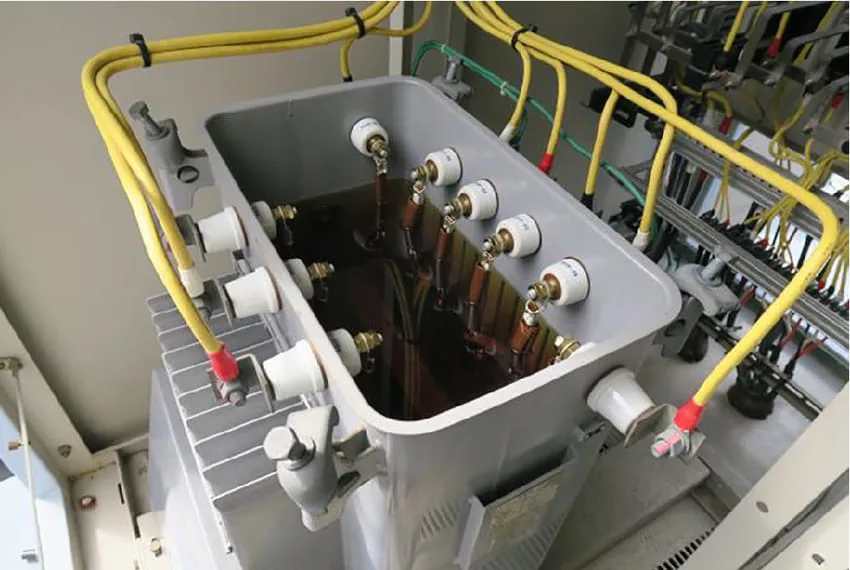
Accuracy Classes and Their Impact on Measurement Reliability
Accuracy class defines how a current transformer performs under specific conditions. Metering applications require precise current ratios across normal load ranges. Protection applications require predictable behavior during fault currents.
| Application | Accuracy Class | Primary Purpose |
|---|---|---|
| Metering | 0.2 / 0.5 | Energy measurement |
| Protection | 5P / 10P | Fault detection |
| Special Protection | PX / TPX | Differential schemes |
How Accuracy Selection Influences Protection Performance
Selecting the correct accuracy class ensures reliable system operation. Metering accuracy supports transparent energy accounting. Protection accuracy ensures correct relay pickup during faults. Oil immersed current transformers maintain stable magnetic properties under thermal stress. This stability preserves accuracy across operating conditions. Engineers match accuracy class to system requirements to avoid miscoordination and measurement distortion.
Why Oil Immersion Enhances Current Transformer Reliability
Oil immersion provides significant advantages in insulation and thermal control. High dielectric strength protects windings against voltage stress. Oil circulation removes heat generated by continuous current flow. Reduced temperature variation limits material aging. Moisture ingress risks decrease due to sealed construction. These factors enhance long-term reliability. Utilities favor oil immersed current transformers in outdoor and high voltage installations. Stable performance minimizes false protection trips and extends service intervals.
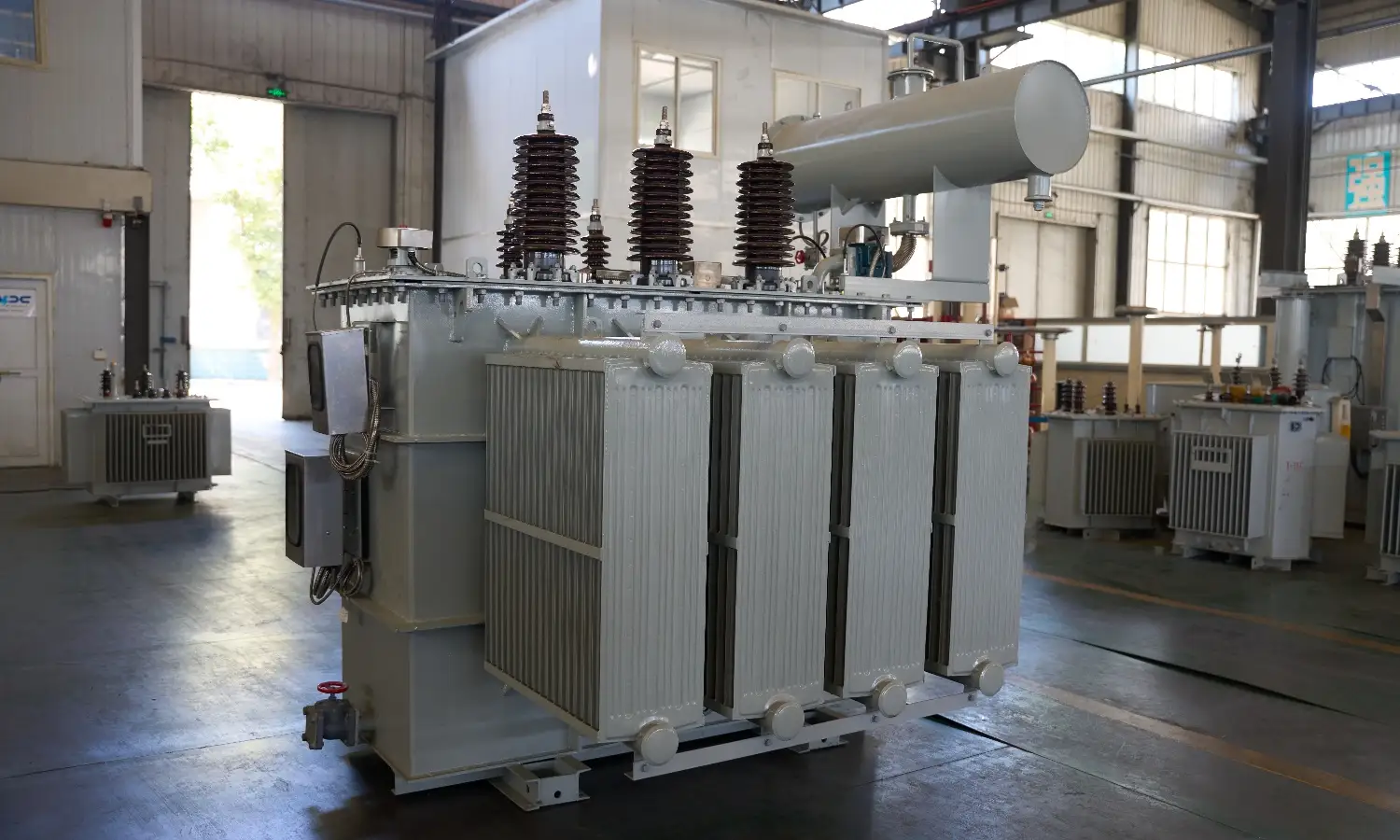
Typical Applications of Oil Immersed Current Transformers
Oil immersed current transformers operate across a wide range of power system locations.
-
High voltage substations
-
Power transformer protection zones
-
Transmission line terminals
-
Generator and busbar protection systems
Why These Applications Demand Oil Immersed CTs
High voltage environments expose equipment to electrical and thermal stress. Oil immersion handles these conditions effectively. Continuous operation requires stable insulation systems. Protection accuracy remains critical at all times. Oil immersed CTs meet these demands consistently. Alternative insulation technologies often face limitations under similar stress levels.
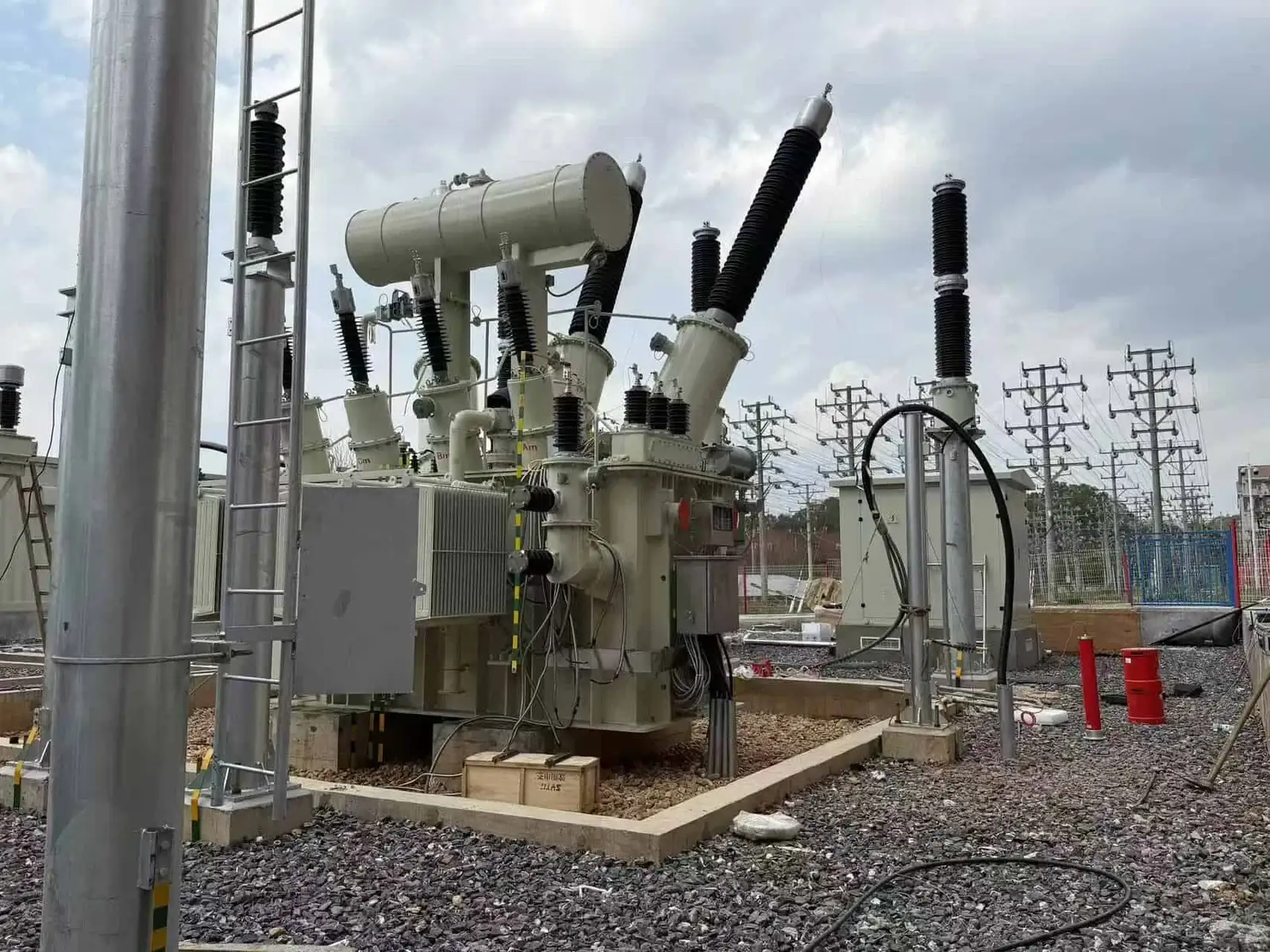
How Oil Immersed CTs Integrate with Protection Relays
Secondary outputs from oil immersed CTs connect directly to protection relays. Signal quality determines relay sensitivity and response time. Stable secondary current reduces waveform distortion. Protection algorithms rely on this consistency. Improved signal quality enhances selectivity between zones. Coordination among relays improves across the network. Oil immersed CTs therefore support modern digital protection schemes and advanced monitoring systems.
Maintenance Considerations for Oil Immersed Current Transformers
Maintenance ensures reliable long-term operation of oil immersed current transformers. Oil quality monitoring detects insulation degradation early. Sealing systems require inspection to prevent moisture ingress. Secondary circuits need periodic verification. Compared with dry-type CTs, oil systems demand structured inspection routines. Utilities integrate CT maintenance into substation schedules. Proper maintenance extends operational life and preserves protection accuracy.
Relationship Between Current Transformers and Power Transformers
Current transformers play a critical role in power transformer protection. Differential protection depends on accurate CT performance. Oil immersed CTs often share insulation levels with power transformers. This alignment simplifies system design. Protection coordination improves across voltage levels. For broader system context, refer to Power Transformer fundamentals. CT performance directly influences transformer safety and service continuity.
What Role Does an Oil Immersed Current Transformer Play in Protection?
Oil immersed current transformers provide accurate current measurement for protection and metering. Oil insulation enhances reliability under high voltage stress. Stable signal output ensures fast fault detection. Dual-function capability improves substation efficiency. Proper selection and maintenance support grid stability. These transformers remain essential components within modern protection architectures.

FAQ
Why are oil immersed current transformers preferred in high voltage protection systems?
Oil immersed current transformers offer superior insulation and thermal stability in high voltage environments. Their oil-filled structure withstands significant dielectric stress while maintaining accurate current conversion. Stable temperature control preserves magnetic characteristics during fault conditions. Protection relays depend on this consistency for fast and selective operation. These advantages make oil immersed CTs suitable for demanding protection applications.
Can one oil immersed current transformer support both metering and protection?
Many oil immersed current transformers support combined metering and protection functions. Separate cores inside one housing provide different accuracy characteristics. Metering cores focus on ratio precision, while protection cores manage saturation behavior. Oil insulation supports both requirements reliably. This design reduces equipment quantity and simplifies substation layouts without sacrificing performance.
How does CT accuracy influence overall protection reliability?
CT accuracy directly affects relay decision-making. Inaccurate current signals cause delayed or incorrect trips. Poor saturation characteristics reduce fault detection capability. Oil immersed CTs maintain stable accuracy under varying load and fault conditions. Reliable current data ensures correct relay coordination. This accuracy improves system protection and reduces unnecessary outages.