
Why Is an Oil Immersed Power Transformer Used for High Load Networks?
-
Why an oil immersed power transformer is used for high load networks, focusing on transmission roles and differences from distribution units.

Why High Load Networks Demand Specialized Transformer Solutions
High load power networks operate under continuous electrical stress. Transmission substations handle large current flows and elevated voltage levels. Equipment selection directly affects grid stability and loss control. An oil immersed power transformer fits these conditions due to its thermal endurance. This transformer type supports sustained load cycles without rapid insulation degradation. Power networks differ from local distribution systems in scale and duty. Such differences require transformer designs with higher capacity margins. Engineers prioritize reliability when network load remains close to rated limits.
How Does an Oil Immersed Power Transformer Differ from Distribution Units?
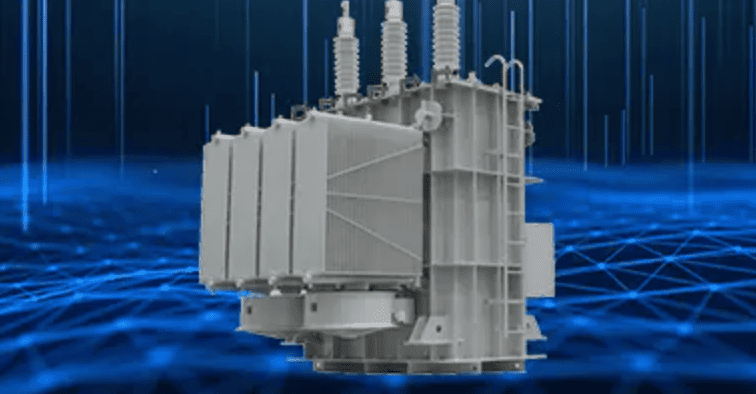
An oil immersed power transformer serves transmission or primary substations. These units operate at higher voltages and larger capacities. Distribution transformers supply end users at reduced voltage levels. Power transformers emphasize efficiency at near-full load conditions. Distribution units optimize performance at variable or partial loads. Structural design reflects this distinction. Power transformers use reinforced windings and expanded cooling systems. Distribution models focus on compactness and cost control. Functional objectives drive these design differences.
Why Oil Immersion Supports High Power Density Operation
Oil immersion enables efficient heat dissipation under heavy electrical load. Transformer oil absorbs heat directly from windings and core surfaces. This thermal transfer prevents localized overheating. High power density environments demand stable temperature control. Oil circulation maintains balanced internal conditions. Air-based cooling systems cannot match this efficiency at scale. Oil insulation also tolerates strong electric fields. This capability allows compact winding geometry at high voltage. Combined benefits make oil immersion suitable for demanding networks.
What Structural Features Enable High Load Performance?
Oil immersed power transformers integrate robust mechanical structures. Windings use heavy-duty conductors with reinforced insulation layers. The magnetic core minimizes saturation under high flux density. Oil channels improve internal circulation paths. The tank design accommodates thermal expansion without stress concentration. Bushings support high current transfer safely. These features reduce mechanical fatigue during load fluctuations. Structural integrity ensures long service life in transmission environments.
Key Characteristics of Oil Immersed Power Transformers
-
Designed for continuous high-load operation
-
Optimized efficiency near rated capacity
-
Advanced oil-based cooling systems
-
Higher voltage class insulation
-
Reinforced mechanical construction

Why These Characteristics Matter for High Load Networks
High load networks operate close to design limits for extended periods. Transformers must handle electrical, thermal, and mechanical stress simultaneously. Each characteristic addresses a specific risk factor. Continuous operation demands thermal stability. High efficiency reduces energy loss across long distances. Strong insulation prevents partial discharge. Mechanical reinforcement resists vibration and short-circuit forces. Together, these characteristics ensure dependable grid operation.
How Cooling Systems Maintain Stability Under Heavy Load
Cooling systems in oil immersed power transformers rely on oil circulation. Natural convection supports basic heat transfer. Forced oil circulation enhances performance under peak load. Radiators expand cooling surface area. Fans improve airflow during temperature rise. This multi-layer approach controls internal temperature gradients. Stable cooling prevents insulation aging. Load capacity remains consistent across seasons. Cooling design directly influences permissible load duration.
Why Oil Immersed Power Transformers Suit Transmission Substations
Transmission substations connect generation sources to distribution networks. Power transformers operate at voltage levels above distribution standards. Oil immersion supports these voltage stresses. Substation layouts allow outdoor installation with proper containment. Oil systems integrate easily with monitoring devices. Dissolved gas analysis tracks internal conditions. Predictive maintenance improves reliability. These advantages align with transmission-level operational needs.

Oil Immersed Power Transformer vs Distribution Transformer
| Aspect | Power Transformer | Distribution Transformer |
|---|---|---|
| Typical Voltage Level | High to extra-high | Medium to low |
| Load Profile | Continuous high load | Variable user demand |
| Efficiency Focus | Rated load efficiency | Partial load efficiency |
| Cooling System | Advanced oil cooling | Simpler oil or air cooling |
| Installation Location | Transmission substations | Distribution networks |
How This Comparison Guides Equipment Selection
Grid planners match transformer type to network role. Transmission systems require high-capacity units. Distribution networks prioritize flexibility and cost. Using a distribution transformer in high load networks increases failure risk. Proper selection ensures performance stability. Clear differentiation avoids misapplication. Engineering judgment relies on these distinctions.
What Role Does Efficiency Play in High Load Power Networks?
Efficiency impacts long-term operational cost. Power transformers minimize losses at rated capacity. Lower losses reduce heat generation. Reduced heat extends insulation lifespan. Transmission networks operate continuously, amplifying efficiency effects. Small percentage improvements produce significant energy savings. Oil immersed power transformers achieve favorable efficiency through optimized core design. Efficiency becomes critical at scale.
How Load Characteristics Influence Transformer Design Choices
Load characteristics include magnitude, duration, and fluctuation. High load networks maintain steady demand profiles. Transformer design adapts to this stability. Engineers select winding configurations for thermal endurance. Cooling capacity matches expected load curves. Oil immersion supports these requirements. Distribution networks experience varied demand patterns. Power transformer designs reflect different operational assumptions.
Conclusion: Why Oil Immersed Power Transformers Dominate High Load Networks
Oil immersed power transformers remain essential for high load networks. Their thermal management supports continuous operation. Structural strength resists electrical and mechanical stress. Oil insulation enables high voltage performance. Clear separation from distribution transformer roles ensures proper application. Transmission systems rely on these units for stability and efficiency. Proven design principles sustain their relevance across power grids.

FAQ
Why are oil immersed power transformers preferred over dry type units for high load networks?
Oil immersed power transformers manage heat more effectively under sustained load. Oil directly transfers heat from internal components. Dry type units rely on air cooling, which limits capacity. High load networks require continuous operation near rated limits. Oil systems provide stable thermal performance. This reliability supports transmission-level applications where downtime risks remain unacceptable.
Can a distribution transformer replace a power transformer in high load applications?
Distribution transformers do not suit high load transmission roles. These units optimize partial load efficiency and cost. Power transformers handle continuous heavy demand. Structural and cooling differences affect performance. Using a distribution transformer increases thermal stress. Long-term reliability declines under improper application. Correct classification ensures safe operation.
How does oil quality affect high load transformer performance?
Oil quality directly influences insulation strength and cooling efficiency. Contaminated oil reduces dielectric capacity. Heat dissipation becomes less effective. High load conditions amplify these effects. Regular oil testing identifies degradation early. Maintenance actions preserve performance. Clean oil supports long service life under demanding networks.