How Does an Oil Immersed Transformer Work in Power Systems?
-
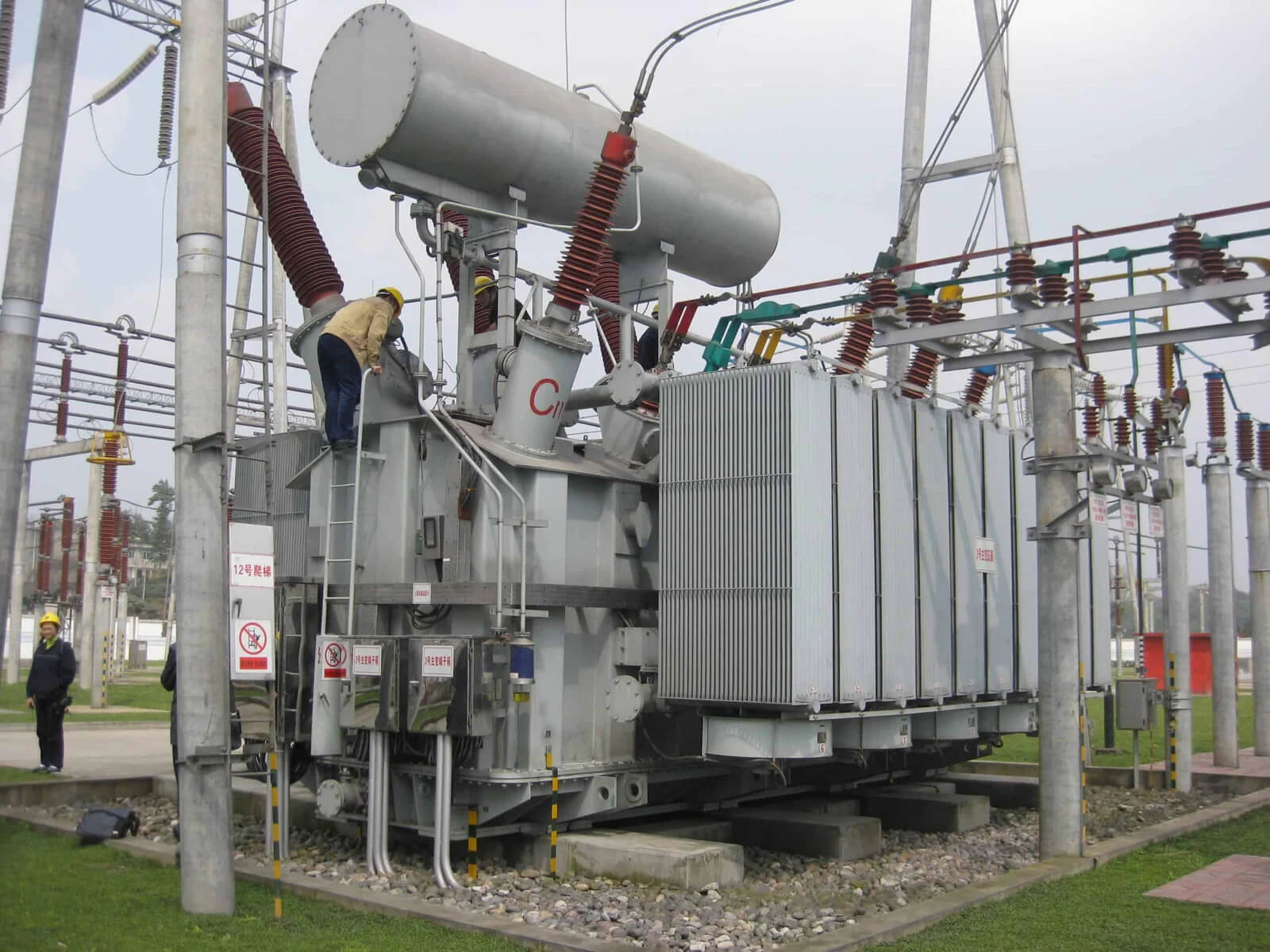
Oil immersed transformer use insulating oil for cooling and insulation, ensuring the stability of voltage conversion in power systems.
How Is an Oil Immersed Transformer Defined in Electrical Engineering?
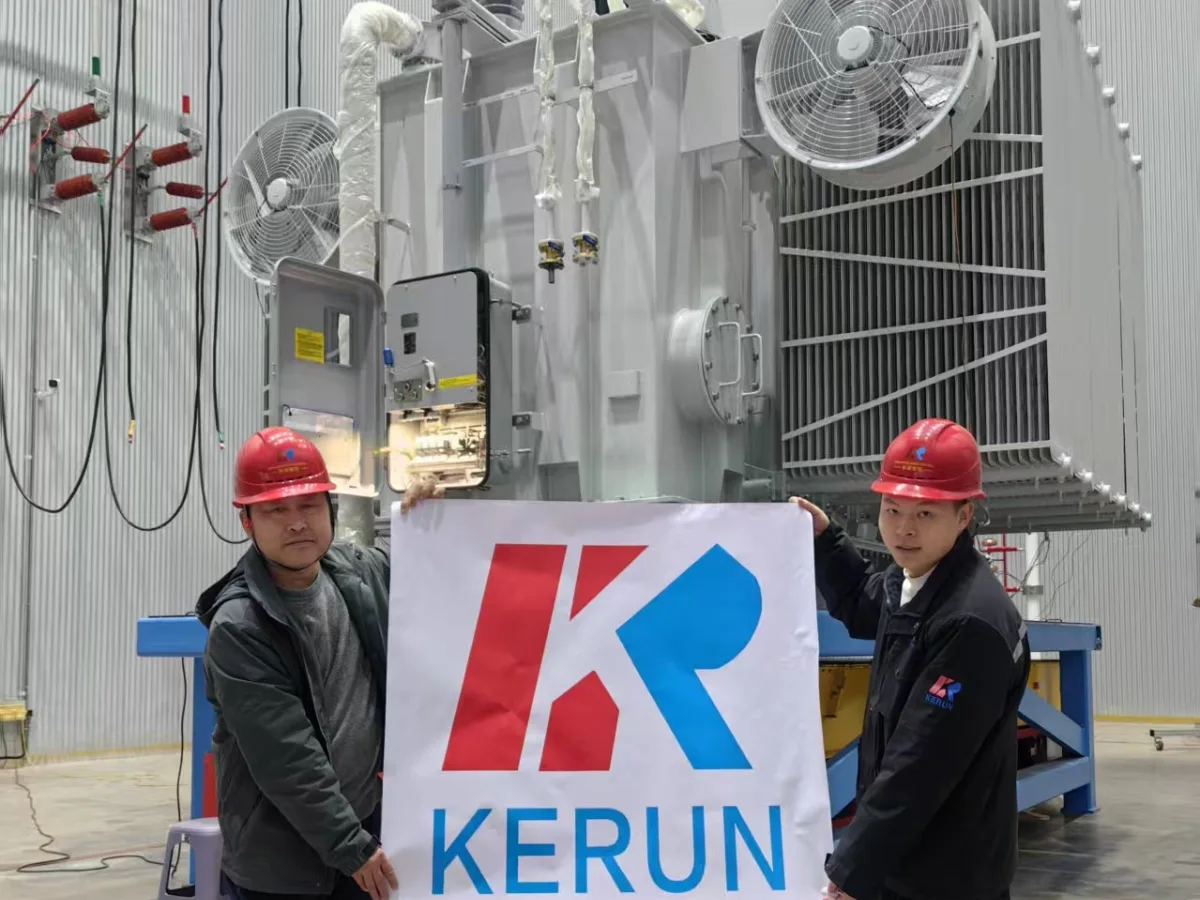
An oil immersed transformer is a core device used throughout transmission and distribution networks. This transformer places its magnetic core and windings inside insulating oil, which performs cooling and electrical insulation simultaneously. Such construction supports higher voltage endurance and stable thermal behavior under continuous electrical load. Power utilities rely on this design because it balances performance, durability, and long service life. Industrial facilities also select oil immersed transformers for heavy-duty applications where operating conditions remain demanding. The design supports compact layouts while maintaining reliable insulation strength, making it suitable for a wide range of power system environments.
How Does an Oil Immersed Transformer Transfer Electrical Energy?
Electrical energy transfer inside an oil immersed transformer depends on electromagnetic induction. Alternating current enters the primary winding and creates a magnetic field within the laminated steel core. This magnetic flux links with the secondary winding and induces voltage according to the turns ratio. The insulating oil does not take part in energy conversion but ensures dielectric stability during voltage fluctuation. Heat develops naturally as current flows through windings and core material. The surrounding oil absorbs this heat and transfers it toward the tank surface. This interaction allows the transformer to operate continuously without insulation stress or thermal overload.
Why Is Insulating Oil Essential for Transformer Performance?
Insulating oil performs multiple critical functions inside the transformer. The oil creates a high dielectric barrier between energized components and grounded metal parts. This barrier reduces internal discharge risk under elevated voltage conditions. Oil also acts as a thermal medium that transports heat away from active components. As temperature rises, oil circulation increases through natural convection. Warmer oil moves upward while cooler oil descends, forming a continuous cooling cycle. This process prevents localized overheating and protects winding insulation from accelerated aging. These combined functions explain why oil immersion remains essential for high-capacity power equipment.
What Are the Main Structural Components of an Oil Immersed Transformer?
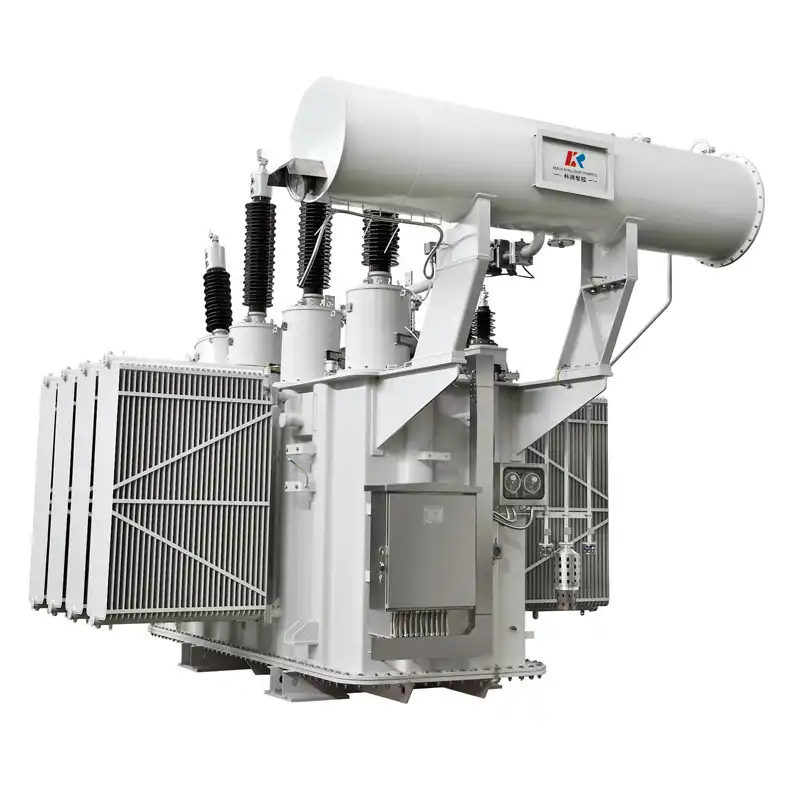
An oil immersed transformer contains several integrated components that operate as a unified system:
-
Magnetic core for efficient flux guidance
-
Primary and secondary windings for voltage transformation
-
Insulating oil for cooling and dielectric protection
-
Sealed tank for mechanical protection
-
Radiators or fins for heat dissipation
-
Bushings for insulated conductor termination
These components do not function independently. Their interaction determines electrical efficiency, thermal balance, and mechanical durability. A well-coordinated structure allows the transformer to handle variable load conditions while maintaining stable performance. This integration supports long-term operation in both transmission and distribution networks.

How Does Cooling Occur Inside an Oil Immersed Transformer?
Cooling inside an oil immersed transformer occurs through oil circulation and heat exchange. During operation, oil surrounding the windings heats up and becomes less dense. This warmer oil rises toward the top of the tank and flows into external radiators. Heat transfers from the radiator surface into surrounding air. Cooler oil then returns to the lower section of the tank, completing the circulation loop. For higher capacity transformers, auxiliary fans enhance airflow across radiators. This cooling process maintains acceptable operating temperatures and protects insulation integrity throughout extended service periods.
Where Are Oil Immersed Transformers Commonly Used?
Oil immersed transformers appear across many power system environments. Transmission substations depend on them for voltage reduction across long distances. Distribution networks use smaller units to supply industrial zones and commercial districts. Manufacturing plants rely on their stability for continuous production lines. Renewable energy facilities integrate them to manage fluctuating generation output. Rural electrification projects also benefit from their durability and load tolerance. This wide application range demonstrates how oil immersed transformers adapt to different voltage levels and operating conditions.
How Do Oil Immersed Transformers Compare With Dry Type Designs?
Oil immersed and dry type transformers serve different system needs. Oil-based insulation supports higher voltage ratings and greater overload capability. Dry type designs rely on air or resin insulation and suit indoor locations with lower capacity demands. Oil immersion enables effective heat removal under heavy electrical load. Dry designs reduce fire risk in confined spaces but face thermal limits at higher power levels. Selection depends on installation environment, voltage requirement, and operating duty rather than preference alone.
What Technical Parameters Define an Oil Immersed Transformer?
| Parameter | Description |
|---|---|
| Rated Voltage | Primary and secondary voltage levels |
| Rated Capacity | Power handling capability in kVA or MVA |
| Cooling Method | ONAN, ONAF, or OFAF systems |
| Insulation Level | Dielectric strength and impulse withstand |
| Loss Values | No-load and load losses |
These parameters define how the transformer performs under electrical and thermal stress. Proper matching between system demand and transformer specification ensures stable voltage delivery. Engineers evaluate these factors during project planning to avoid overload risk and efficiency loss. Accurate parameter selection directly affects reliability and service life.
What Factors Influence the Reliability of Oil Immersed Transformers?
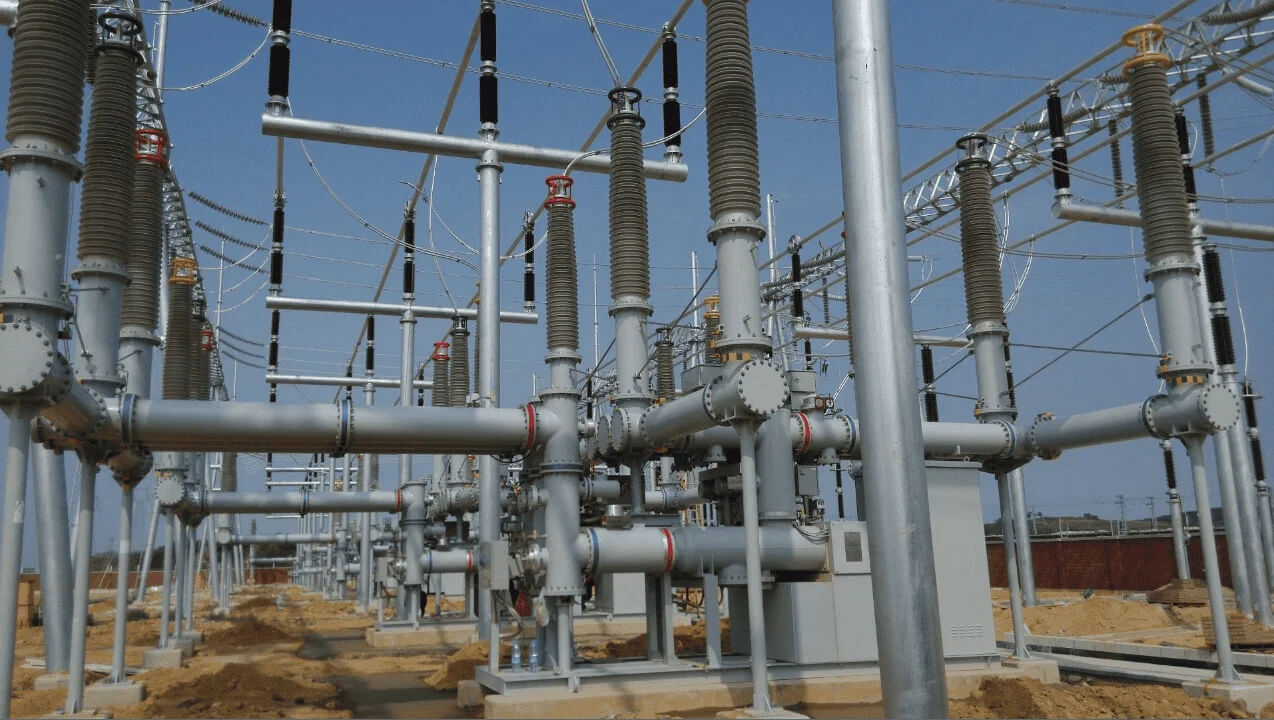
Reliability depends on design quality, material selection, and operating discipline. High-grade insulating oil resists oxidation and moisture contamination. Proper winding insulation reduces electrical stress accumulation. Effective cooling design prevents thermal overload. Routine oil testing supports early fault detection. Stable load profiles extend service life significantly. These elements combine to ensure predictable transformer performance across decades of operation.
Why Do Power Utilities Continue to Depend on Oil Immersed Transformers?
Power utilities prioritize equipment that delivers consistent performance under variable demand. Oil immersed transformers meet this requirement through proven insulation systems and robust thermal management. Their design supports high voltage transmission with manageable maintenance routines. Grid operators value predictable aging behavior and standardized service procedures. This reliability supports uninterrupted power delivery across large service areas. As grid complexity increases, oil immersed transformers remain dependable infrastructure assets.
How Does This Topic Connect With Distribution-Level Transformer Design?
Oil immersed transformer principles extend directly into distribution transformer applications. Distribution units adopt similar insulation and cooling concepts at lower voltage levels. These systems bridge transmission networks and end users efficiently. A dedicated discussion of oil immersed distribution transformers further explains how these principles scale within localized power networks.
How Will Oil Immersed Transformers Continue Supporting Power Systems?
Oil immersed transformers remain essential as global power demand grows. Grid expansion, industrial development, and renewable integration all require stable voltage control. This transformer type delivers the thermal and electrical resilience needed for evolving networks. Continuous design refinement improves efficiency and environmental compatibility. These advancements ensure oil immersed transformers remain relevant across future power infrastructure projects.