
What Defines Dry Type Transformer Specification in Power System
-
Dry type transformer specification explains ratings, insulation, cooling, and standards that define performance, safety, and long-term reliability.
What Does Dry Type Transformer Specification Actually Cover?
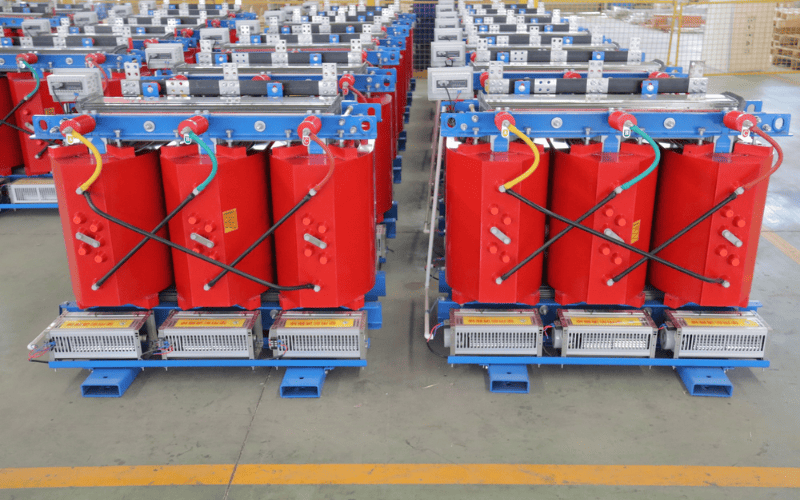
Dry type transformer specification describes every measurable electrical and mechanical parameter that defines transformer performance. These specifications determine compatibility, safety, efficiency, and lifecycle value. Engineers rely on them during system planning and procurement stages. Procurement teams also depend on specifications to compare suppliers fairly. A specification sheet usually lists rated power, voltage levels, insulation class, cooling method, and applicable standards. Each parameter interacts with operating conditions and environmental limits. Ignoring any single item often leads to overheating, derating, or early failure. Because dry type transformers operate without liquid insulation, specifications play an even stronger role in thermal control. Clear specifications help reduce operational risk and simplify long-term maintenance planning.
How Do Rated Power and Voltage Shape Specification Decisions?
Rated power and voltage define the electrical boundaries of a dry type transformer. Power rating appears in kVA and reflects thermal capacity under defined conditions. Voltage ratings describe primary and secondary electrical levels under steady operation. Together, these values determine transformer suitability for a given network. Incorrect ratings often cause insulation stress or inefficient loading. Designers must consider expected load growth and ambient temperature. Margin selection improves reliability while avoiding unnecessary oversizing. In distribution networks, voltage stability depends on accurate specification choices. A properly rated unit maintains efficiency across varying loads and reduces harmonic stress.
Key electrical parameters typically included include:
-
Rated capacity in kVA
-
Primary and secondary voltage
-
Frequency rating
-
Tap changer range
-
Vector group designation
These parameters work together rather than independently. Capacity selection affects cooling demand. Voltage levels influence insulation thickness. Tap range supports voltage regulation during grid fluctuation. A complete specification always evaluates these factors as a unified system.
Why Do Insulation Class and Temperature Rise Matter?
Insulation class defines the thermal endurance of winding materials. Dry type transformers commonly use Class F or Class H insulation. Each class corresponds to a maximum allowable operating temperature. Temperature rise limits describe how much heat develops above ambient conditions. These values directly affect transformer lifespan. Higher insulation classes tolerate greater thermal stress. However, higher ratings also increase material cost. Engineers must balance performance requirements with budget constraints. Indoor installations often demand conservative temperature rise values. Reduced thermal stress improves long-term reliability and lowers degradation risk. Proper insulation selection ensures stable performance under continuous load cycles.
How Do Cooling Methods Appear in Specifications?
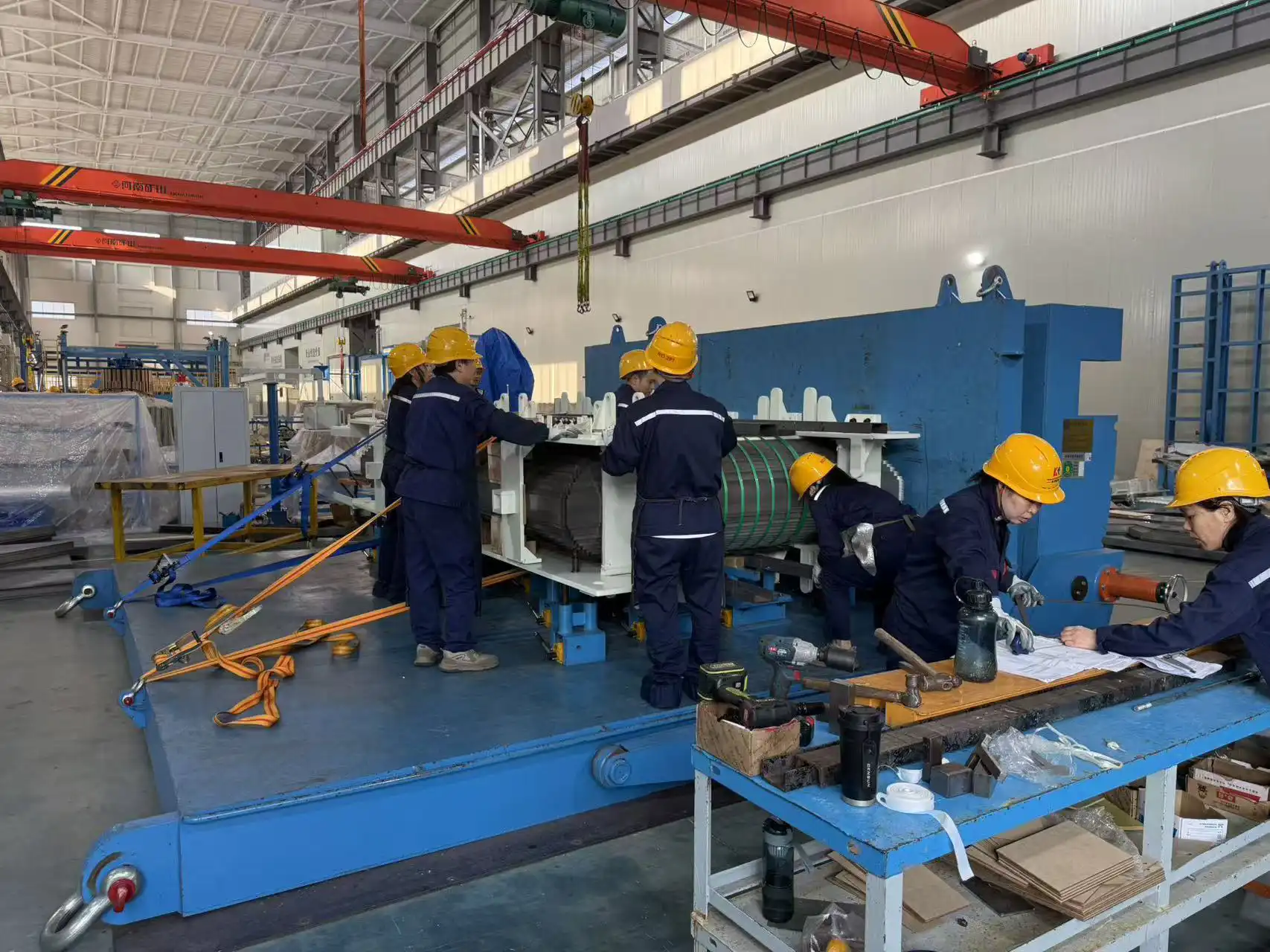
Cooling method designations explain how heat dissipates from transformer windings. Dry type units typically use air-based cooling systems. Natural air cooling relies on convection without mechanical assistance. Forced air cooling uses fans to increase airflow. Each approach changes performance characteristics and specification limits. Forced cooling increases allowable load under defined conditions. However, it introduces auxiliary power consumption. Specifications must clearly state cooling modes and associated ratings. System designers must match cooling capacity to installation constraints. Ventilation planning depends heavily on this part of the specification.
What Are Typical Dry Type Transformer Specification Values?
Dry type transformer specifications follow industry norms that support interchangeability and compliance. The table below summarizes commonly specified ranges across industrial and commercial projects.
| Specification Item | Typical Value Range |
|---|---|
| Rated Power | 50 kVA – 5000 kVA |
| Primary Voltage | 6 kV – 35 kV |
| Secondary Voltage | 400 V – 690 V |
| Insulation Class | Class F / Class H |
| Cooling Method | AN / AF |
These values reflect common engineering practice rather than strict limits. Actual projects may require customized ranges. Specification alignment ensures transformer performance remains predictable across varying load profiles. Engineers often adjust values to accommodate site-specific constraints.
Which Standards Influence Dry Type Transformer Specifications?
International standards define how specifications are measured and verified. IEC and IEEE standards remain the most widely referenced. These frameworks establish testing methods, safety thresholds, and tolerance limits. Compliance improves cross-border acceptance and simplifies certification. Standards also reduce ambiguity during technical evaluation. Engineers rely on standardized terminology to avoid misinterpretation. Specification documents often reference multiple standards simultaneously. This approach ensures compatibility with diverse regulatory environments. Proper standard alignment improves procurement transparency and project approval speed.
How Do Specifications Affect Performance and Efficiency?
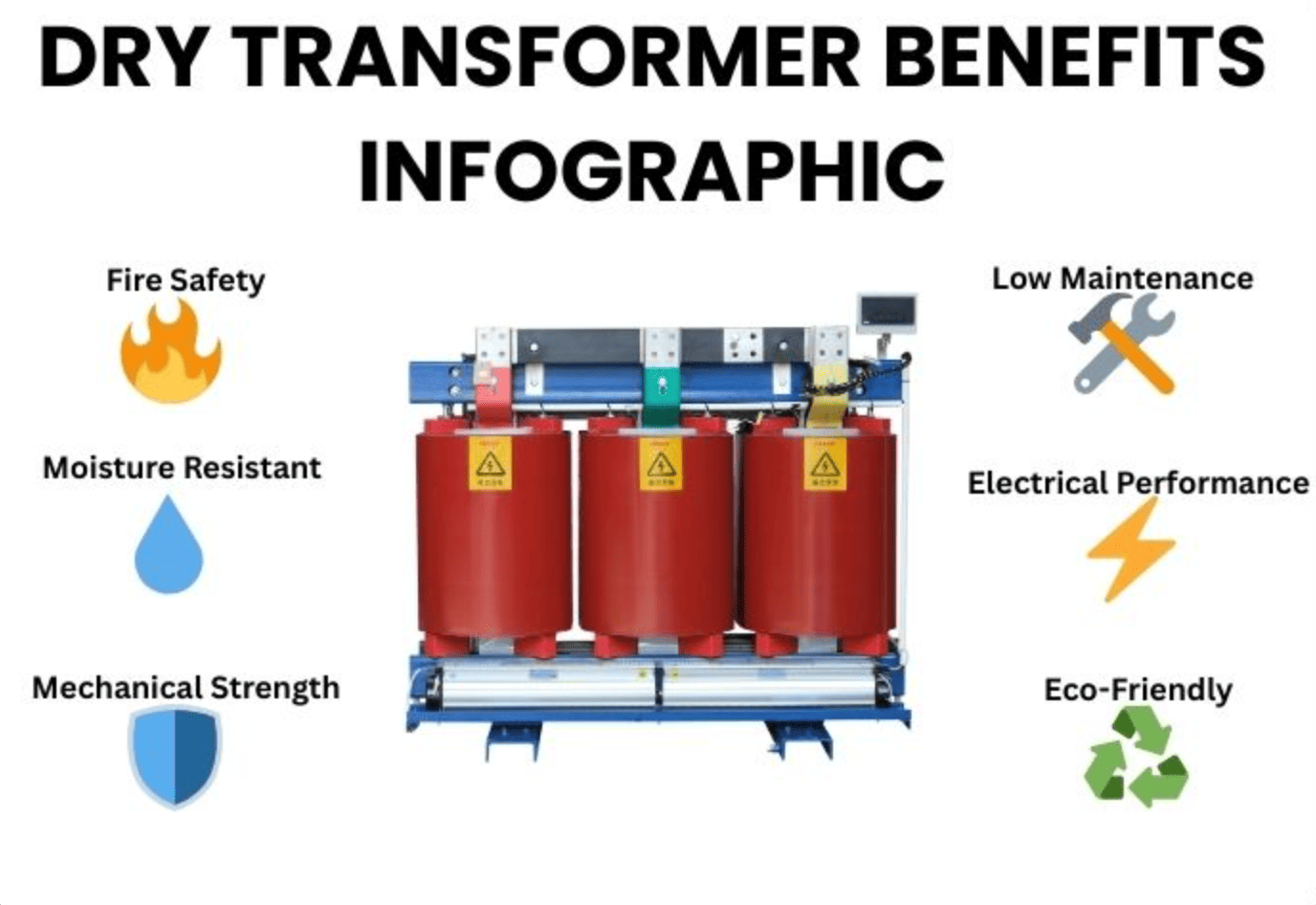
Every specification parameter influences transformer efficiency. Load losses depend on winding design and conductor size. No-load losses relate to core material and magnetic design. Temperature rise affects resistance and long-term stability. Cooling efficiency directly impacts usable capacity. Together, these elements determine total operating cost. Optimized specifications reduce energy waste over decades of operation. Overspecified units increase capital cost without proportional benefit. Underspecified designs increase failure risk. Balanced specification design achieves optimal lifecycle performance.
What Role Do Specifications Play in Installation Planning?
Installation planning relies heavily on specification data. Dimensions determine clearance and enclosure design. Weight affects floor loading and transportation planning. Cooling requirements influence room ventilation design. Insulation class determines minimum clearance distances. Specification clarity reduces installation errors. Contractors depend on accurate data during site preparation. Misaligned specifications often cause costly redesigns. Well-defined parameters support smooth commissioning and stable operation from day one.
How Should Buyers Evaluate Dry Type Transformer Specifications?
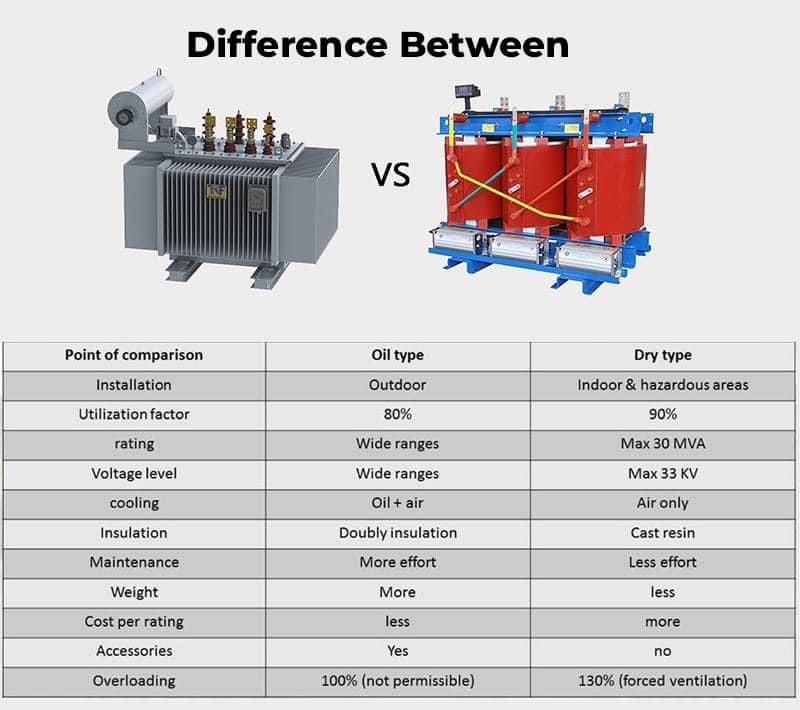
Buyers must evaluate specifications based on operational needs rather than headline ratings. A higher kVA rating does not always indicate better performance. Context matters more than absolute values. Environmental conditions shape thermal requirements. Load profiles influence capacity selection. Compliance with relevant standards remains essential. Buyers should compare specifications across suppliers consistently. Transparent documentation simplifies evaluation and reduces procurement risk. Technical support availability also affects specification interpretation. Reliable manufacturers provide clear explanations and customization options.
Why Choose Kerun for Dry Type Transformer Specification Accuracy?
Kerun designs dry type transformers with precise specification control. Engineering teams customize voltage, insulation, and cooling parameters for each project. Strict quality control ensures consistency across production batches. International certifications support global project deployment. Kerun provides detailed technical documentation that simplifies evaluation. Project experience across industries strengthens specification reliability. Professional support teams assist during selection and commissioning stages. This approach ensures specifications translate into real-world performance.
How Will Dry Type Transformer Specifications Evolve?
Specification trends increasingly emphasize efficiency and monitoring integration. Energy regulations continue tightening worldwide. Intelligent sensors now appear in modern designs. Digital monitoring enhances thermal and load visibility. Future specifications will include communication interfaces and data outputs. Material improvements will further reduce losses. These changes require manufacturers with strong engineering capabilities. Forward-looking specification design supports long-term infrastructure planning.
Why Do Specifications Determine Long-Term Value?
Specifications determine more than technical compliance. They influence reliability, safety, and operational cost. A well-specified transformer maintains performance over decades. Poor specification choices increase downtime and maintenance expense. Long-term value depends on accurate parameter alignment. Buyers who prioritize specification quality achieve better lifecycle outcomes. Trusted manufacturers support this process through engineering expertise and transparent documentation.
FAQ
Is a dry type transformer specification the same for all applications?
Dry type transformer specifications vary significantly across applications. Commercial buildings prioritize safety and compact size. Industrial facilities focus on load stability and thermal endurance. Renewable energy systems demand voltage flexibility and efficiency. Environmental conditions also shape specification choices. High ambient temperatures require higher insulation margins. Indoor installations emphasize low noise and fire resistance. Because requirements differ, standardized specifications rarely fit every project. Customization ensures compatibility with real operating conditions. Buyers should evaluate specifications within the full system context.
Which specification items most affect transformer lifespan?
Insulation class and temperature rise have the strongest influence on lifespan. Higher thermal margins reduce material degradation. Cooling effectiveness also plays a major role. Consistent airflow maintains stable winding temperatures. Voltage stability prevents insulation stress. Load profile alignment avoids chronic overheating. Material quality further supports long-term durability. Together, these factors define operational longevity. Specifications that prioritize thermal control consistently outperform minimal designs.
How can buyers compare dry type transformer specifications accurately?
Accurate comparison requires consistent evaluation criteria. Buyers should align rated power, voltage, and insulation class first. Cooling method differences must receive careful attention. Standards compliance ensures measurement consistency. Efficiency data should reflect similar load conditions. Documentation clarity matters as much as raw numbers. Supplier support also influences interpretation accuracy. A structured comparison process reduces procurement risk and improves project outcomes.