
What is the working principle of a dry type distribution transformer?
-
Dry type distribution transformer delivers safe voltage conversion with oil-free insulation, ideal for indoor distribution systems facilities.
What Is a Dry Type Distribution Transformer Used For?
A dry type distribution transformer serves the final stage of power voltage reduction before electricity reaches end users. This equipment converts medium voltage into safe low voltage suitable for commercial, industrial, and public facilities. Air-based insulation replaces liquid cooling systems, which removes oil-related hazards while improving installation flexibility. Modern distribution networks increasingly rely on this transformer type because urban environments demand compact, clean, and fire-resistant electrical equipment. Engineers often specify dry type distribution transformers for projects that prioritize safety, space efficiency, and environmental compliance. Indoor substations, high-rise buildings, and infrastructure upgrades frequently include these units as core components. Power stability, predictable performance, and compatibility with intelligent monitoring systems further enhance their role in contemporary electrical distribution environments.
How Does a Dry Type Distribution Transformer Fit Into Distribution Networks?
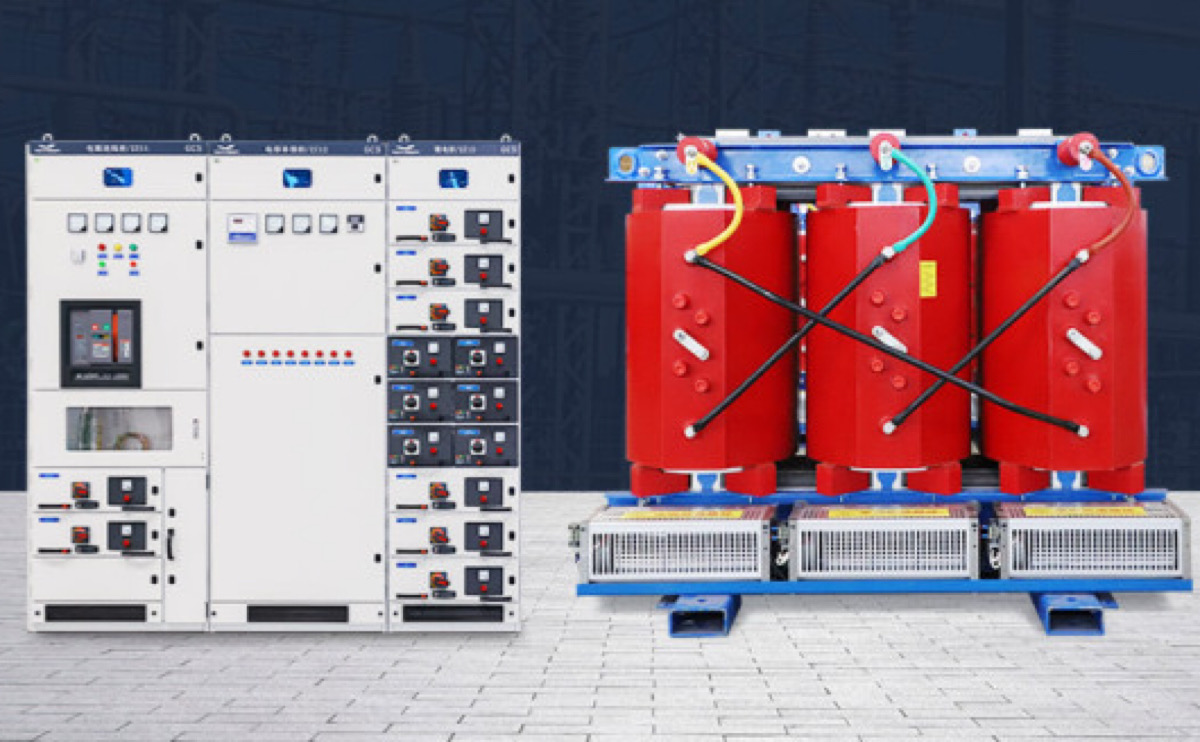
Within a distribution network, a dry type distribution transformer operates between medium voltage feeders and low voltage panels. Utility or facility-side equipment delivers power at higher voltages to reduce transmission losses. The transformer then steps voltage down to levels appropriate for lighting systems, machinery, and electronic devices. Placement usually occurs near load centers, which minimizes cable length and voltage drop. Unlike oil immersed designs, dry units integrate easily into indoor electrical rooms. Network planners favor them for projects where spatial limitations exist. Their predictable thermal behavior supports steady operation during variable load conditions. Integration with modern switchgear allows smoother protection coordination across distribution systems.
How Does a Dry Type Distribution Transformer Operate Without Oil?
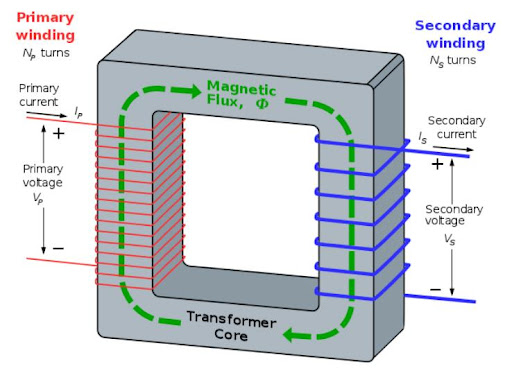
Dry type distribution transformers rely on solid insulation materials and air circulation for cooling. Resin, epoxy, or varnish systems surround windings, preventing moisture ingress and electrical discharge. Heat generated during operation dissipates through natural or forced air movement. Fans often support higher load operation without compromising insulation integrity. This design avoids leakage risk and reduces fire exposure. Electrical energy transfers through electromagnetic induction, just like oil-based units. However, insulation performance remains stable across diverse ambient conditions. Manufacturers carefully engineer insulation thickness and airflow paths to ensure thermal balance under continuous operation.
What Core Components Form a Dry Type Distribution Transformer?
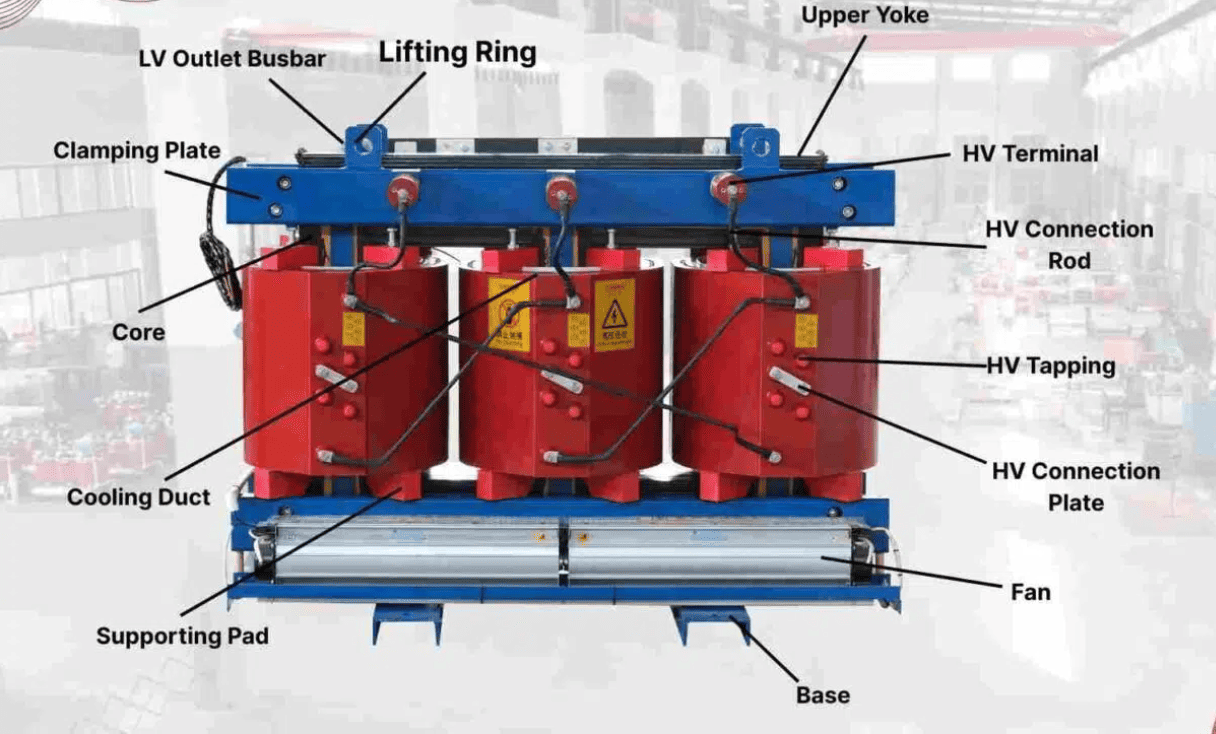
Several critical components define the structure of a dry type distribution transformer. Each element supports electrical stability, safety, and long-term reliability.
-
Laminated silicon steel core for magnetic flux control
-
Primary and secondary windings using copper or aluminum conductors
-
Solid insulation systems protecting windings
-
Cooling channels supporting heat dissipation
-
Protective enclosure or open-frame structure
These components work together to ensure efficient voltage transformation. The core minimizes energy loss through optimized lamination geometry. Windings handle current flow while resisting thermal stress. Insulation systems maintain dielectric strength during load fluctuations. Cooling paths prevent overheating during extended operation. Enclosures enhance mechanical protection and limit dust exposure. Careful coordination among these parts determines overall transformer performance and service life.
What Types of Dry Type Distribution Transformers Are Commonly Used?
Different application scenarios require different dry type distribution transformer designs. Manufacturers offer multiple configurations to meet performance and environmental demands.
-
Cast resin dry type distribution transformer
-
VPI dry type distribution transformer
-
Open ventilated dry type distribution transformer
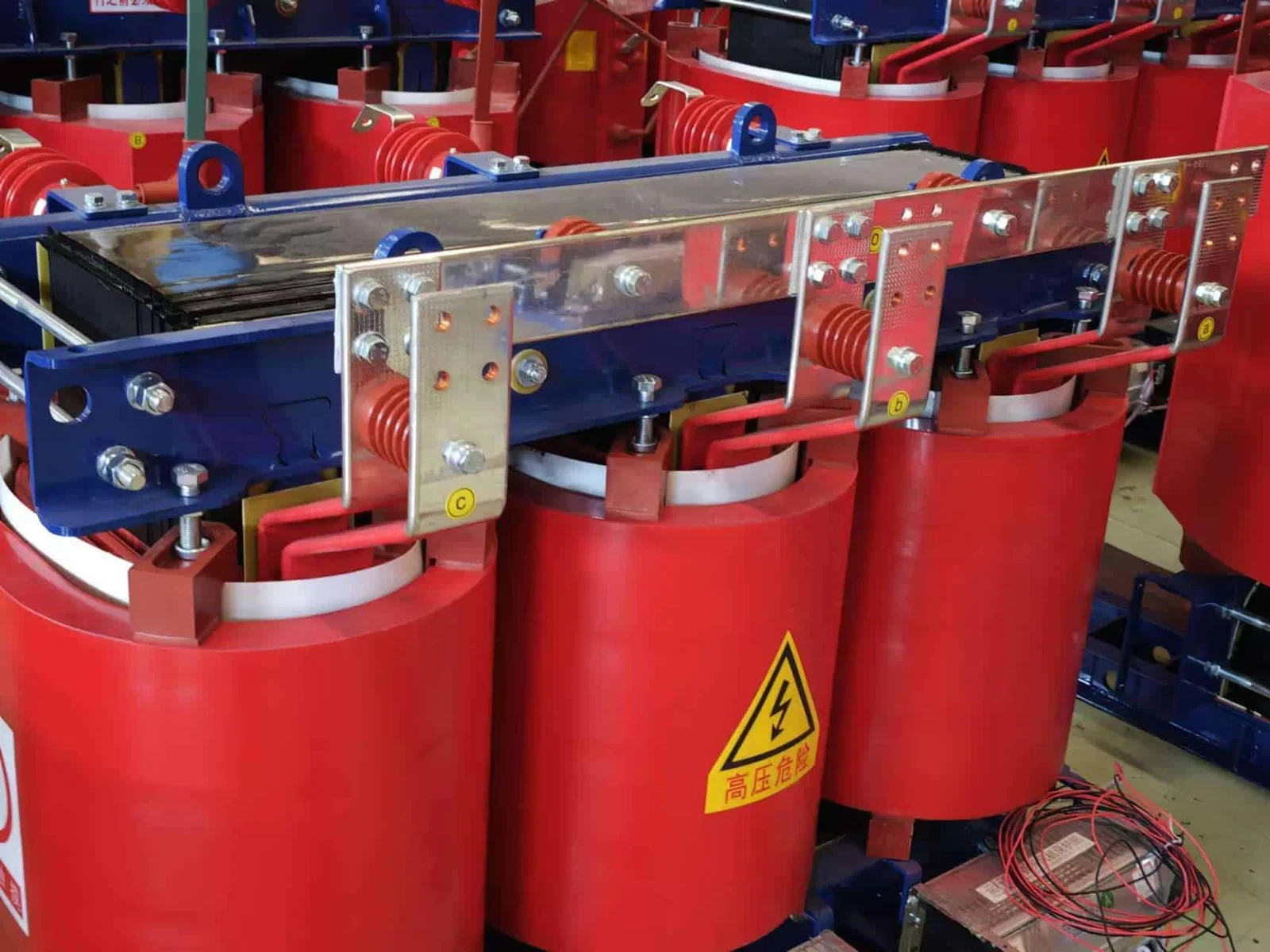
Cast resin models provide high moisture resistance and mechanical strength. VPI designs balance insulation penetration with cost efficiency. Open ventilated units suit controlled indoor environments with stable ventilation. Selection depends on humidity levels, load profiles, and installation constraints. Engineers evaluate thermal class, insulation durability, and enclosure type before final specification. Proper type selection ensures reliable operation throughout the transformer’s design life.
Why Do Engineers Choose Dry Type Distribution Transformers for Indoor Systems?
Indoor electrical environments demand equipment with strict safety profiles. Dry type distribution transformers meet these expectations through oil-free construction and low fire risk. Solid insulation prevents leakage concerns in occupied buildings. Reduced maintenance requirements simplify facility management planning. Compact layouts allow installation within limited electrical rooms. Noise control options support quiet operation in sensitive areas. Engineers also value compatibility with fire safety regulations. These factors collectively explain why dry type distribution transformers dominate indoor distribution projects across commercial and public infrastructure sectors.
Where Are Dry Type Distribution Transformers Commonly Installed?
Dry type distribution transformers support diverse industries and infrastructure categories. Their adaptability enables use across both private and public installations.
-
Commercial office buildings
-
Industrial production facilities
-
Hospitals and healthcare centers
-
Data centers and communication hubs
-
Renewable energy substations
Each environment benefits from clean insulation and stable performance. Hospitals require reliable voltage control without contamination risks. Data centers prioritize thermal stability and safety. Industrial sites appreciate reduced downtime and simplified inspections. Renewable projects value environmental compliance. These applications demonstrate the versatility of dry type distribution transformers within modern electrical ecosystems.
How Does a Dry Type Distribution Transformer Compare With Oil Immersed Models?
A direct comparison highlights structural and operational differences between dry type distribution transformers and oil immersed alternatives.
| Aspect | Dry Type Distribution Transformer | Oil Immersed Transformer |
|---|---|---|
| Insulation | Solid resin or varnish | Mineral or synthetic oil |
| Fire Risk | Very low | Higher |
| Installation | Indoor friendly | Outdoor preferred |
| Maintenance | Minimal | Regular oil testing |
Dry type distribution transformers emphasize safety and environmental compatibility. Oil immersed units often handle higher capacities at lower initial cost. However, oil systems require containment and fire protection. Long-term maintenance costs differ significantly. Project requirements usually determine final selection. Indoor and urban installations frequently favor dry type designs due to regulatory and safety considerations.
What Installation Conditions Affect Dry Type Distribution Transformer Performance?
Proper installation directly influences operational stability and lifespan. Adequate ventilation ensures effective heat dissipation. Clearance around the transformer prevents airflow obstruction. Ambient temperature limits must align with insulation class ratings. Floor loading capacity supports structural stability. Electrical grounding reduces fault risk. Environmental cleanliness prevents dust accumulation on windings. Installers should coordinate transformer placement with switchgear layout. Following manufacturer recommendations helps maintain performance consistency across varying load conditions.
How Does Maintenance Differ for Dry Type Distribution Transformers?
Maintenance routines for dry type distribution transformers focus on inspection rather than fluid management. Periodic cleaning removes dust and debris from cooling channels. Visual checks confirm insulation integrity. Thermal imaging detects abnormal temperature patterns. Electrical testing verifies winding resistance and insulation performance. Maintenance schedules remain simpler compared to oil immersed models. Reduced service complexity lowers operational expenses. Facilities benefit from predictable maintenance planning and reduced downtime risks.
Why Do Projects Select Kerun Dry Type Distribution Transformers?
Kerun designs dry type distribution transformers with emphasis on safety, efficiency, and adaptability. Advanced manufacturing processes ensure insulation consistency. Strict quality control supports stable electrical performance. International certifications confirm compliance with global standards. Custom engineering services address project-specific voltage and capacity requirements. Kerun transformers integrate easily with intelligent monitoring platforms. Extensive project experience across industrial and commercial sectors demonstrates reliability. Professional technical support assists clients before and after installation, ensuring smooth system integration.
How Will Dry Type Distribution Transformers Evolve in Future Power Systems?
Future dry type distribution transformers will incorporate enhanced monitoring capabilities. Intelligent sensors will track temperature and load behavior in real time. Energy efficiency standards will drive material innovation. Compact designs will support dense urban infrastructure. Integration with renewable energy systems will expand. These trends reinforce the long-term relevance of dry type distribution transformers within evolving power distribution frameworks.

FAQ
Is a dry type distribution transformer suitable for outdoor installation?
A dry type distribution transformer can support outdoor installation when appropriate enclosures and protection levels are applied. Weather-resistant housings protect insulation from moisture, dust, and temperature variation. Ventilation design remains critical to prevent overheating. Engineers often select IP-rated enclosures for exposed environments. Load conditions and ambient climate influence suitability. While oil immersed transformers dominate outdoor substations, dry type distribution transformers perform reliably in controlled outdoor settings with proper design consideration and protective measures.
What is the typical service life of a dry type distribution transformer?
A dry type distribution transformer typically delivers service life exceeding twenty years under proper operating conditions. Insulation quality, thermal management, and load consistency significantly influence longevity. Regular inspections maintain insulation integrity. Clean environments reduce degradation risks. Stable voltage operation prevents thermal stress accumulation. Manufacturers design these transformers for continuous duty. When installed correctly and maintained properly, dry type distribution transformers provide dependable performance throughout extended operational cycles.

Is a dry type distribution transformer more expensive than oil immersed options?
Initial pricing for a dry type distribution transformer often exceeds oil immersed alternatives of similar rating. However, total ownership cost presents a different perspective. Reduced maintenance eliminates oil testing and replacement expenses. Safety compliance lowers fire protection investment. Indoor installation reduces civil construction costs. Over long-term operation, dry type distribution transformers frequently deliver economic advantages. Project evaluation should consider lifecycle costs rather than purchase price alone.