
What Makes a Power Transformer for AI Essential for Data Centers
-
Power transformer for AI ensures stable, efficient electricity in AI data centers with high efficiency, safety, and dry type solutions.
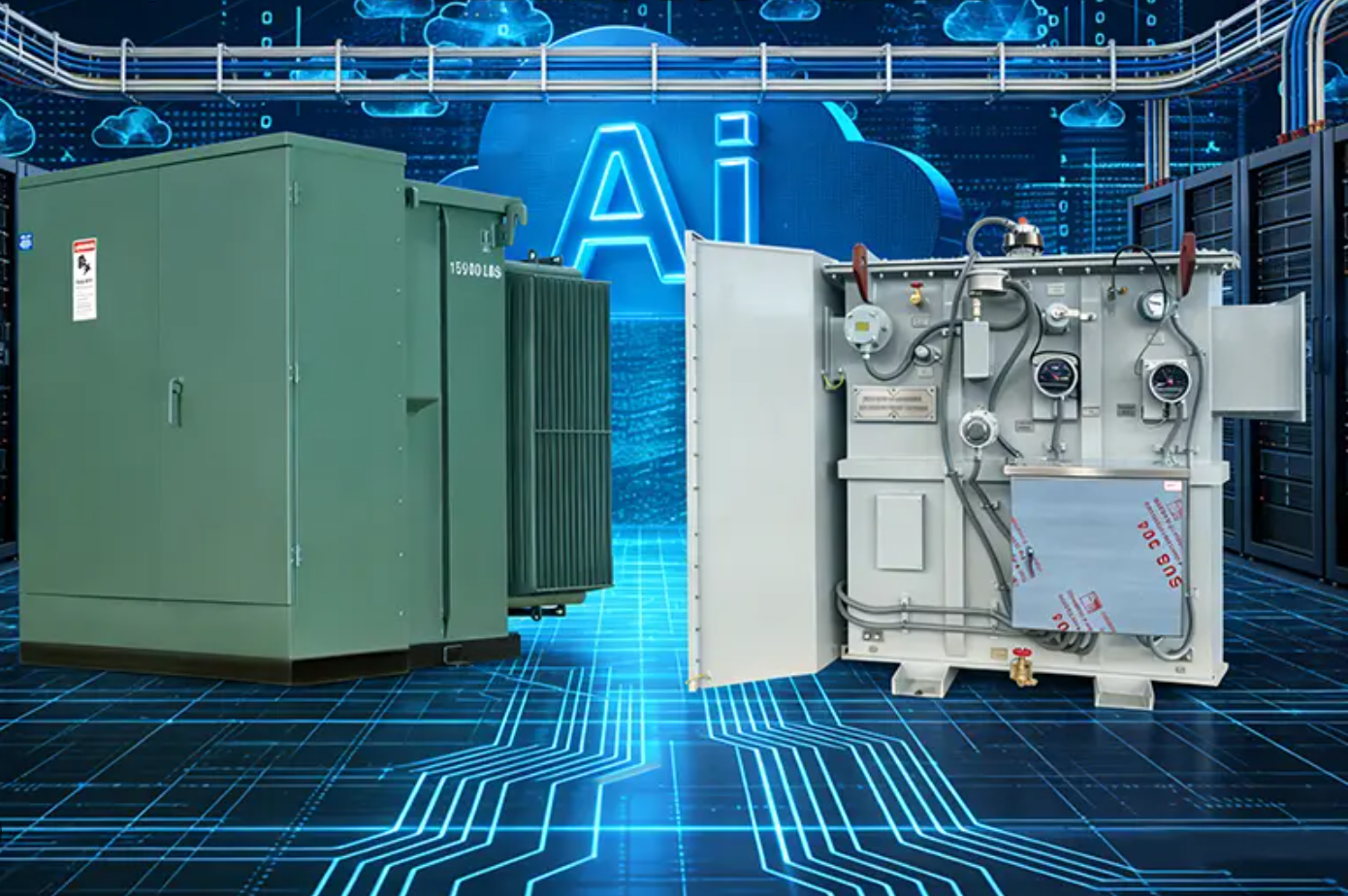
The Role of Power Transformer for AI
Artificial intelligence systems demand unprecedented electrical stability and density. Large-scale AI computing environments operate continuously and tolerate minimal power deviation. A power transformer for AI supports this environment by delivering consistent voltage under extreme electrical stress. Unlike traditional applications, AI infrastructure concentrates massive loads within limited physical space. This concentration increases thermal pressure and operational risk. Power interruption may trigger system downtime and data loss. For this reason, transformer selection becomes a foundational decision rather than a secondary consideration. Engineers prioritize efficiency, safety, and reliability when planning AI power architecture. A purpose-built power transformer for AI aligns electrical performance with modern computing requirements. This alignment directly influences long-term operational continuity and cost control.
Power Demand Characteristics of AI Data Centers
AI data centers exhibit electrical behavior distinct from conventional facilities. GPU clusters generate rapid load fluctuations during model training and inference. These fluctuations challenge voltage regulation across the power network. Power density also exceeds traditional server environments by several multiples. High-density racks create localized thermal accumulation. Continuous operation further amplifies stress on electrical components. Even minor inefficiencies compound into significant energy loss at scale. Grid instability or transformer lag creates cascading operational issues. Therefore, AI environments require transformers capable of dynamic response. A power transformer for AI stabilizes energy delivery across varying loads. This stability preserves hardware performance while protecting sensitive electronic systems.
What Defines a Power Transformer for AI Applications
A power transformer for AI integrates structural and electrical features designed for intensive computing loads. Standard transformers focus on average industrial demand profiles. AI-focused designs prioritize fast load response and thermal resilience. Core materials reduce hysteresis loss under high-frequency fluctuations. Winding structures improve heat dissipation without sacrificing insulation strength. Voltage regulation systems maintain accuracy during peak transitions. These features differentiate AI transformers from general-purpose models. AI infrastructure also demands compatibility with indoor deployment. Fire resistance and environmental safety therefore influence transformer configuration. A power transformer for AI serves as an active component within intelligent power ecosystems.
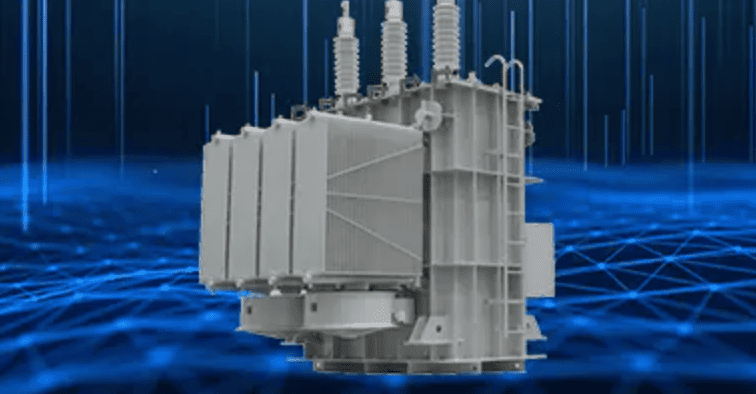
Key Technical Requirements of Power Transformer for AI
Several technical priorities shape transformer selection for AI projects.
-
High energy efficiency under continuous load
-
Strong thermal endurance at elevated power density
-
Stable voltage regulation during rapid load changes
These characteristics define operational success. High efficiency reduces cumulative energy expenditure across data centers. Thermal endurance protects insulation systems and extends service life. Voltage stability prevents hardware degradation during computational spikes. Each requirement supports uninterrupted AI performance. Designers evaluate these parameters during system planning. A power transformer for AI meets these criteria through advanced materials and optimized geometry. Proper alignment between transformer capability and AI load behavior ensures long-term reliability.
This table highlights insulation and maintenance differences clearly. Cast resin transformers resist moisture effectively. VPI units manage mechanical stress well. Open ventilated designs require cleaner surroundings. Engineers match insulation strength with site conditions. Correct selection reduces overheating risk. Maintenance planning becomes easier with clear comparison. This overview supports practical decision-making.
Thermal Management and Reliability Considerations
Thermal control represents a central concern in AI power systems. Heat accumulation accelerates insulation aging and component fatigue. Effective cooling directly impacts transformer lifespan. AI environments often restrict airflow due to space constraints. Transformers therefore require designs supporting natural or forced ventilation. Insulation systems must tolerate elevated temperatures without degradation. Reliability depends on consistent thermal equilibrium. A power transformer for AI maintains performance even under sustained high-load conditions. This stability reduces maintenance frequency and unexpected shutdowns. Long-term reliability also enhances return on infrastructure investment. Transformer resilience thus supports both operational and financial objectives.
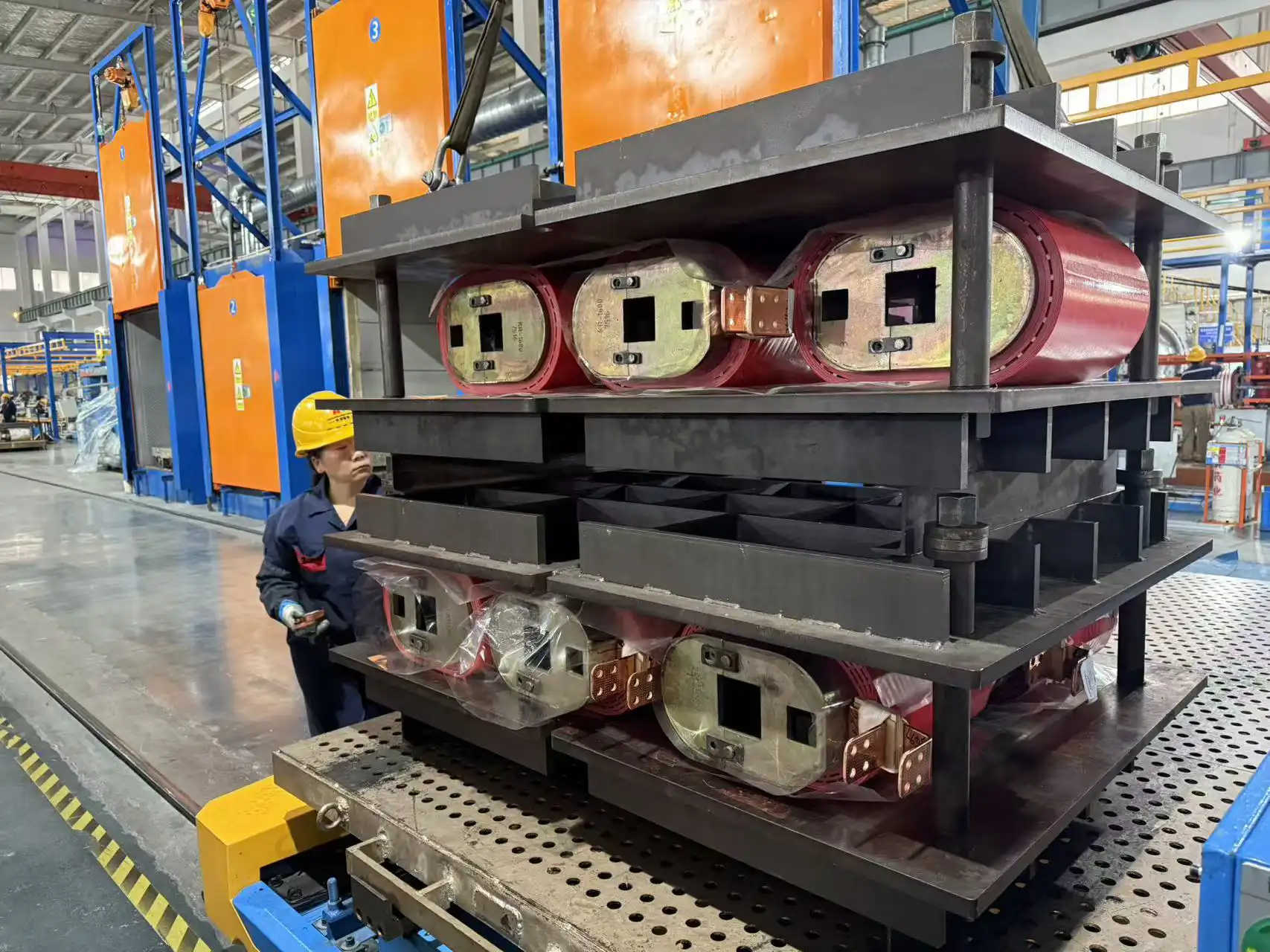
Why Dry Type Transformer Fits AI Power Architecture
Dry type transformer technology aligns well with AI infrastructure requirements. Oil-free construction eliminates leakage and combustion risks. Indoor installation becomes safer and more flexible. Fire safety remains critical within dense computing facilities. Dry type transformers dissipate heat efficiently through air circulation. Maintenance procedures also simplify due to reduced contamination risk. These advantages support continuous operation in controlled environments. Many AI data centers favor dry type solutions for these reasons. A dry type power transformer for AI enhances safety while maintaining electrical performance. This balance supports regulatory compliance and operational confidence.
Application Scenarios of Power Transformer for AI
Power transformer for AI deployment spans multiple environments.
-
Hyperscale AI data centers
-
Cloud computing platforms with GPU clusters
-
Intelligent manufacturing and automation facilities
-
Edge computing and high-performance computing nodes
Each scenario presents unique electrical challenges. Data centers emphasize density and redundancy. Manufacturing environments require load stability amid variable processes. Edge installations prioritize compactness and reliability. A power transformer for AI adapts across these scenarios through scalable design. Flexible configuration supports evolving AI workloads. This adaptability ensures relevance across future infrastructure expansion.
| Feature | Conventional Transformer | Power Transformer for AI |
|---|---|---|
| Load Response | Moderate | Fast |
| Efficiency | 85-92% | 95-99% |
| Thermal Management | Standard | Optimized for high-density AI loads |
| Safety | Indoor/Outdoor | High fire resistance, indoor optimized |
| Maintenance | Medium | Low, simplified procedures |
This table highlights the key differences between conventional transformers and power transformers designed for AI applications. Fast load response ensures stability during fluctuating computational demands. Efficiency gains reduce energy losses in high-density AI data centers. Optimized thermal management prevents overheating under continuous operation. Enhanced safety features protect indoor facilities against fire hazards. Reduced maintenance requirements improve long-term operational reliability. These factors make power transformers for AI essential for data center performance and infrastructure resilience.
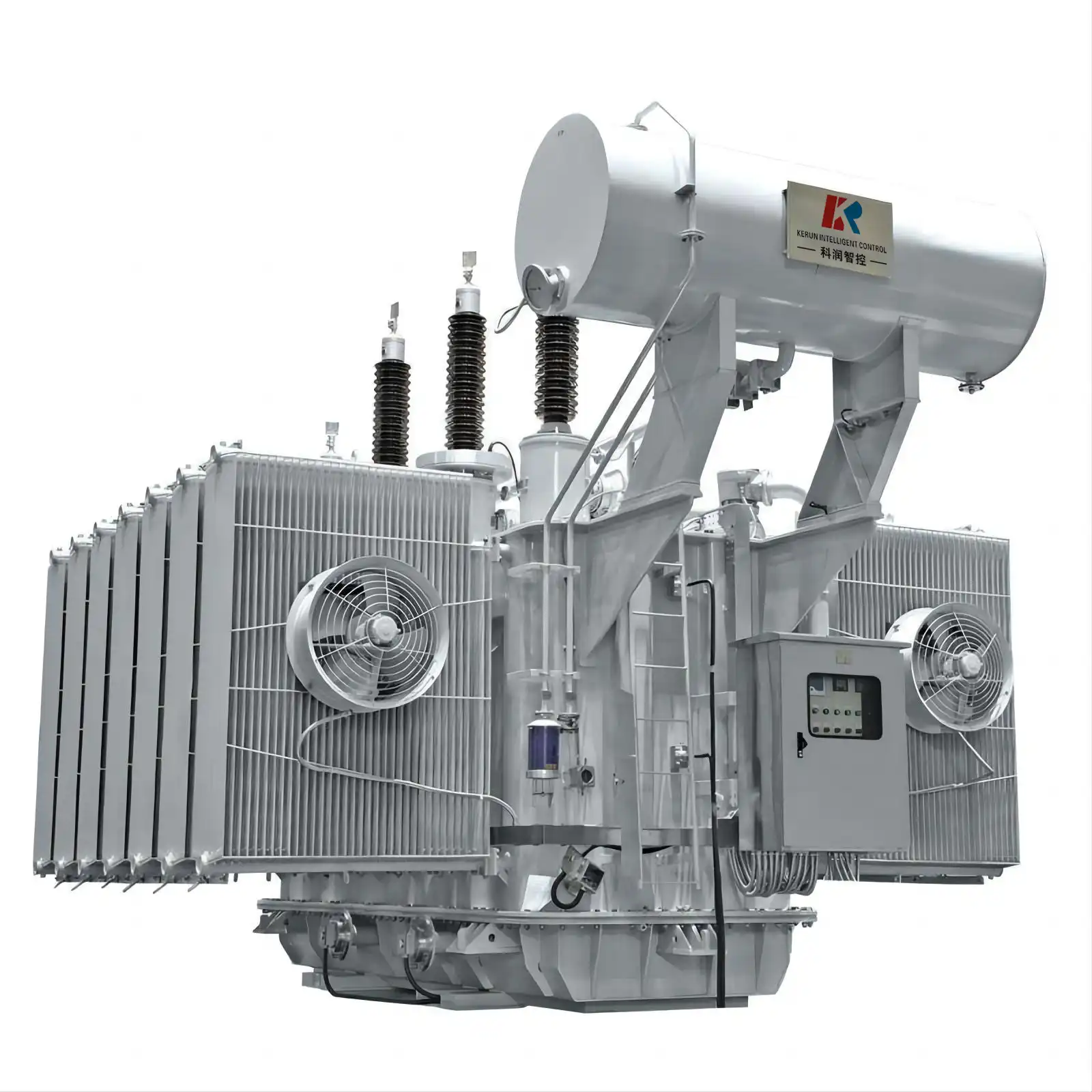
Comparison with Conventional Power Transformers
Traditional transformers address predictable industrial loads. AI environments impose irregular demand patterns and thermal stress. Conventional designs struggle with rapid load variation. Efficiency losses accumulate under continuous high utilization. Safety standards also differ between outdoor industrial sites and indoor data halls. A power transformer for AI resolves these gaps through enhanced regulation and insulation systems. Lifecycle cost also favors AI-specific solutions due to reduced failure rates. Long-term operational efficiency outweighs initial investment considerations. Purpose-built transformers therefore represent a strategic choice rather than optional upgrade.
Selecting the Right Power Transformer for AI Projects
Transformer selection requires alignment with infrastructure strategy. Capacity planning must anticipate future expansion. Cooling strategy depends on facility layout and airflow design. Installation environment determines insulation and enclosure requirements. Compliance with international electrical standards remains essential. These factors guide procurement decisions.
-
Assess present and projected load profiles
-
Confirm compatibility with cooling architecture
-
Verify certification and testing standards
Each step minimizes operational risk. A power transformer for AI performs optimally when matched precisely to system demands. Collaboration with experienced manufacturers further reduces design uncertainty.
Why Kerun Intelligent Control Supports AI Power Infrastructure
Kerun Intelligent Control provides specialized transformer solutions for advanced computing environments. Engineering teams focus on dry type transformer technology for high-density indoor applications. Customized configurations address unique AI load characteristics. Manufacturing processes emphasize efficiency and thermal performance. Each power transformer for AI undergoes rigorous testing before delivery. Global project experience supports diverse deployment conditions. Technical support extends throughout project lifecycle. This comprehensive approach ensures stable power delivery for demanding AI systems.
Future Outlook of AI Power Infrastructure
AI computing continues expanding across industries. Power demand will increase alongside model complexity. Electrical infrastructure must evolve accordingly. Power transformer for AI development trends emphasize higher efficiency and intelligent monitoring. Digital diagnostics enhance predictive maintenance capabilities. Environmental considerations also shape future designs. Dry type transformer adoption may accelerate within regulated markets. These trends reinforce the importance of forward-looking power solutions. Infrastructure decisions made today will shape operational resilience for decades.

FAQ
What capacity of power transformer suits AI data centers?
Capacity selection depends on total IT load, redundancy strategy, and growth planning. AI data centers often require transformers sized beyond immediate demand. This approach supports scalability and avoids early replacement. Engineers calculate capacity using peak load scenarios rather than average consumption. Cooling capability and ambient temperature also influence sizing decisions. A power transformer for AI must handle sustained high utilization without efficiency loss. Oversizing slightly improves thermal stability and operational margin. Proper capacity planning balances investment with future readiness.
Is dry type transformer suitable for AI applications?
Dry type transformer technology aligns well with AI environments. Oil-free design enhances fire safety inside enclosed facilities. Maintenance procedures remain simpler due to reduced contamination risk. Thermal performance supports continuous operation under high power density. Noise levels also remain lower, benefiting indoor installations. A dry type power transformer for AI integrates seamlessly into data halls and control rooms. Regulatory compliance further supports adoption. These factors make dry type solutions a preferred option for many AI projects.

How can power reliability improve within AI computing systems?
Power reliability improves through layered infrastructure design. Redundant transformers support uninterrupted operation during maintenance or fault conditions. High-quality power transformer for AI reduces failure probability under stress. Monitoring systems detect thermal or electrical anomalies early. Proper ventilation and load balancing further enhance stability. Collaboration between electrical and IT planning teams strengthens resilience. Reliable power architecture protects data integrity and system availability. This reliability directly influences AI operational success.