What are the types of feeder transformers?
-
Different types of feeder transformers, including radial feed and loop feed transformers, and their applications in power distribution systems.
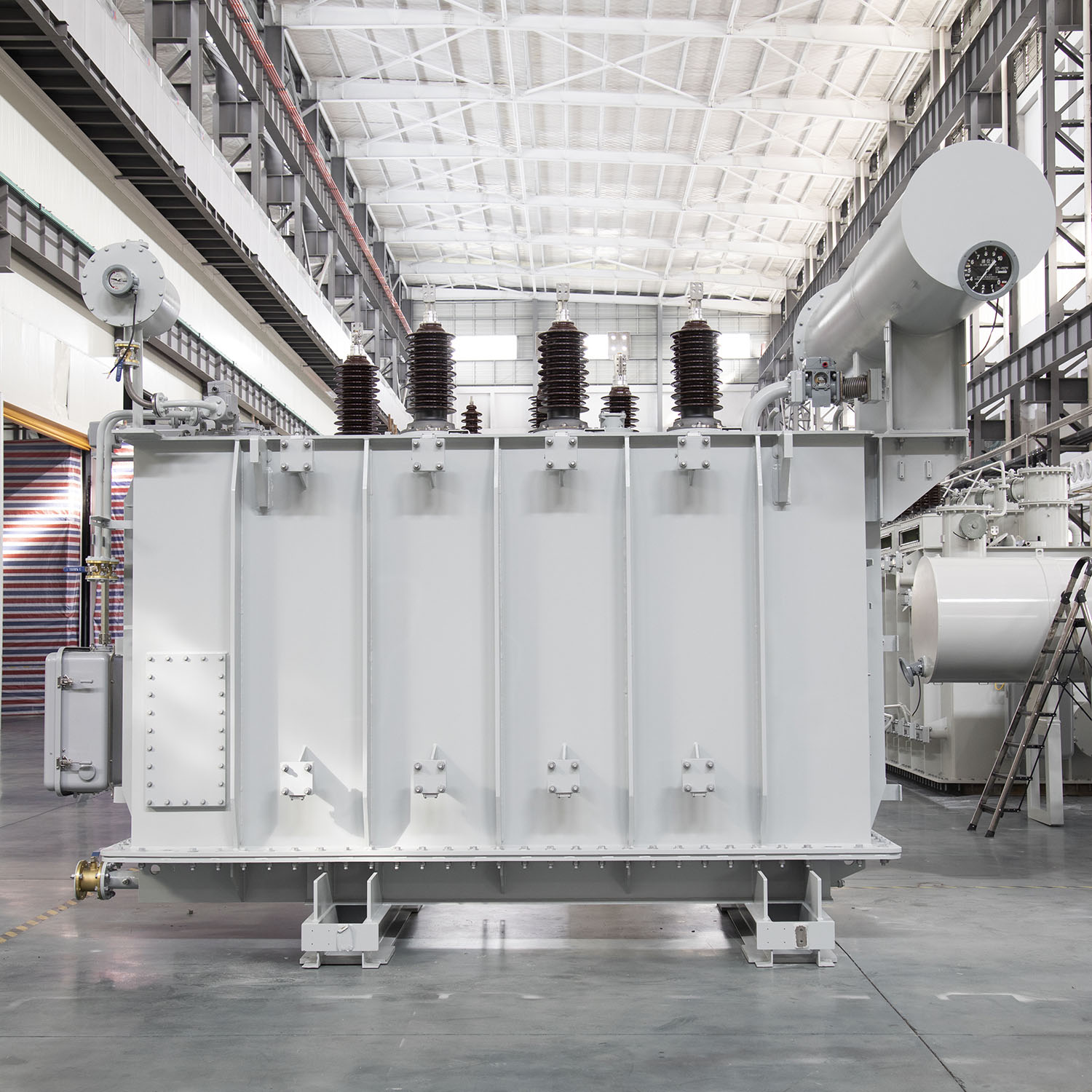
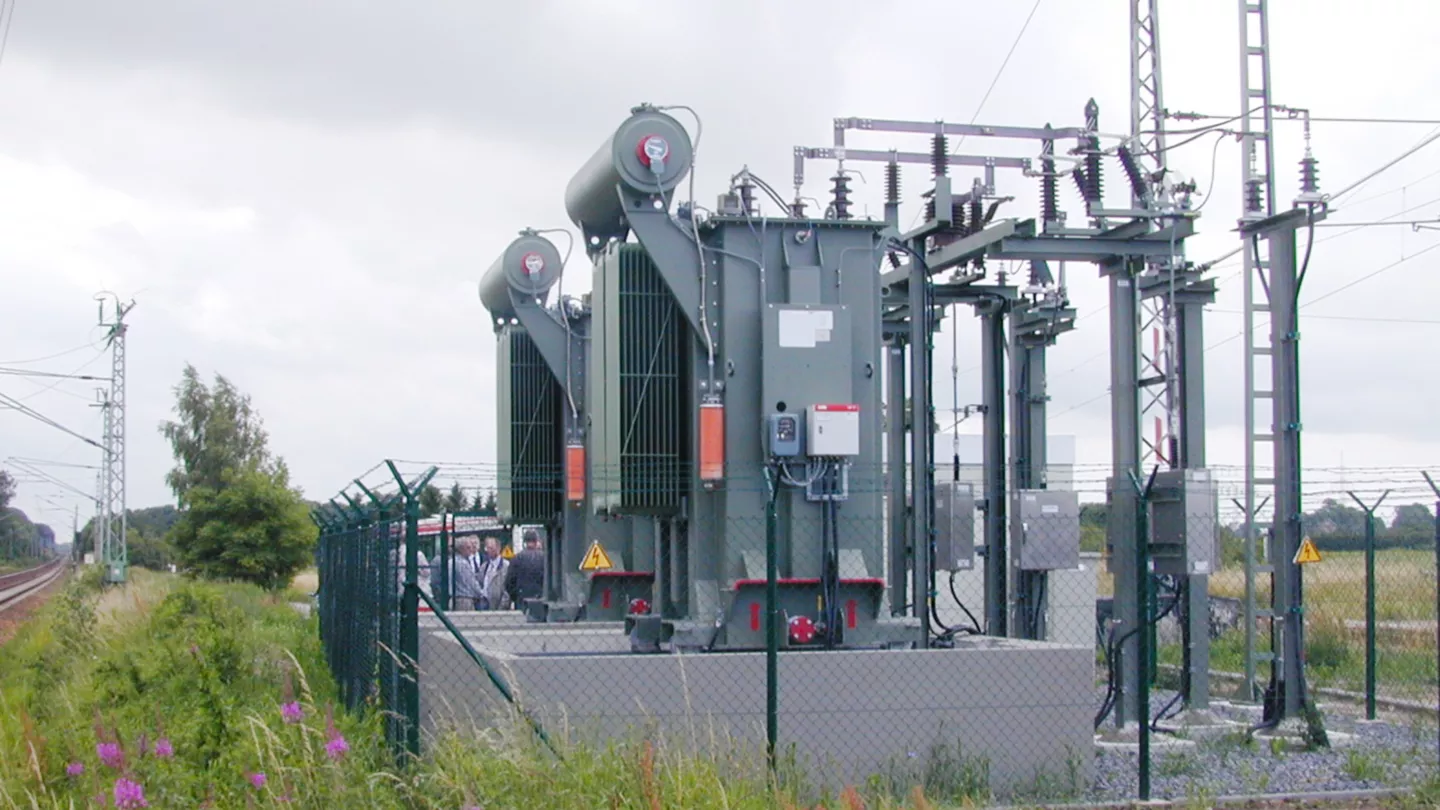
Feeder transformers are essential components in modern power distribution networks. These transformers help convert high-voltage electricity into lower, usable voltage for end users. They are typically found in electrical systems designed to deliver power from substations to local consumers. Their importance lies in providing a safe, reliable, and efficient way to distribute electrical energy over long distances while maintaining power quality. Two main types of feeder transformers are Radial Feed Transformers and Loop Feed Transformers, each with distinct operational mechanisms and applications.
What are Radial Feed and Loop Feed?
Radial Feed
Radial feed transformers are designed to transmit electricity from a central power source to multiple branches, each powering individual end points or loads. In a radial feed system, power flows from a central main line and is distributed through branch cables that extend to various end users.
How It Works: Electricity flows from the main feeder to multiple distribution points. A fault or failure in the main feeder line typically results in a loss of power to all connected loads, which can be a significant disadvantage.
Loop Feed
Loop feed transformers are part of a more complex system where power is distributed in a loop. Multiple power sources are connected, creating redundancy in the network. If one path fails, electricity can be rerouted through an alternate line, ensuring continuous power supply.
How It Works: Power circulates through interconnected lines in a loop. This configuration ensures that if one line is interrupted, the system can quickly switch to backup paths, reducing downtime and enhancing the overall reliability of the power supply.

Key Differences Between Radial and Loop Feed Systems
Structure and Layout
-
Radial Feed System: The radial feed system is straightforward, with a single central source distributing power outward to multiple branches. It is simple and less expensive to deploy but has lower reliability in case of faults.
-
Loop Feed System: A loop feed system, by contrast, is more intricate, with power flowing in a closed loop. This system is designed for redundancy and higher reliability, ensuring power can still reach end users even if one path fails.
Reliability and Fault Recovery
-
Radial Feed: If the central feeder line fails, all branches connected to that line experience power outages. Recovery from such faults can take time, affecting the area’s power reliability.
-
Loop Feed: The loop feed design offers built-in fault tolerance. If one feeder fails, power can quickly be supplied through an alternate route. This design makes the loop feed transformer ideal for high-reliability applications.
Maintenance and Costs
-
Radial Feed: While radial feed systems are cheaper to set up, they are less reliable. Fault recovery times tend to be longer, and maintenance can be more time-consuming.
-
Loop Feed: Loop feed systems have higher initial costs due to their complexity. However, they offer superior reliability and quicker fault recovery, which makes them a more cost-effective option in the long run for systems that require uninterrupted power.
Suitable Applications
-
Radial Feed: These transformers are ideal for areas with relatively low power demands or where reliability is not as critical. They are often used in rural areas, small commercial zones, or residential neighborhoods.
-
Loop Feed: Loop feed transformers are best suited for regions where higher reliability is essential. They are commonly found in industrial zones, commercial centers, and high-density residential areas.
What is a Loop Feed Transformer?
Definition and Working Principle
A loop feed transformer is designed to work within a looped distribution system. This transformer ensures that power remains uninterrupted by utilizing multiple input sources and pathways. When one path experiences a fault, the system automatically redirects power through alternate routes, maintaining a continuous power supply.
How It Works: The loop feed transformer connects to multiple input lines, enabling the system to maintain power flow through redundant routes. This ensures that even in the event of a fault, service remains continuous, making it a critical component for systems requiring high reliability.
Application Areas
Loop feed transformers are widely used in areas that demand high reliability, such as industrial parks, commercial hubs, and high-density residential districts. These transformers ensure that power is continuously available, even in the event of faults or maintenance activities.

Key Features of a Loop Feed Transformer
The following table highlights the key features of loop feed transformers, compared to radial feed transformers:
| Feature | Loop Feed Transformer | Radial Feed Transformer |
|---|---|---|
| Redundancy | High (multiple power sources) | Low (single power source) |
| Fault Recovery | Fast (automatic switch to backup path) | Slow (depends on repair of main feeder) |
| Complexity | Higher (requires multiple connections) | Lower (simpler design) |
| Cost | Higher (due to redundancy and complexity) | Lower (more economical) |
| Applications | High-reliability areas like industrial and commercial zones | Lower-reliability areas like residential neighborhoods |
This table clearly compares key aspects of loop feed transformers and radial feed transformers, allowing for easier decision-making based on the system’s reliability needs, complexity, and cost considerations.
How to Choose a Loop Feed or Radial Feed Transformer?
Power Demand
For locations with higher power demands or where uninterrupted power is critical, a loop feed transformer is the preferred choice. These systems can handle significant power loads while maintaining reliability.
In contrast, for areas with smaller power needs and where redundancy is less of a concern, a radial feed transformer can provide a more economical solution.
Grid Structure and Location
If the power grid is complex and has multiple power sources, a loop feed transformer will be more effective, providing better redundancy. Conversely, for simpler grid layouts with fewer sources, radial feed transformers are easier to implement.
System Redundancy and Cost
Loop feed transformers, while more expensive upfront, are the best option when redundancy and quick fault recovery are necessary. Radial feed transformers are more cost-effective in situations where power interruptions are less of a concern.
About Electrical Transformer Manufacturers (Kerun Intelligent Control)
Company Overview
Kerun Intelligent Control is a leading manufacturer of high-quality feeder transformers. The company specializes in providing efficient and reliable solutions for power distribution systems, with a focus on intelligent control technologies that enhance operational safety and power management.
Products and Services
Kerun offers a range of feeder transformers, including radial and loop feed transformers. The company also provides customized solutions to meet the specific needs of various industries, ensuring optimal power distribution and reliability.
Technological Advantages
Kerun integrates advanced control technologies into its products, offering real-time monitoring, load regulation, fault detection, and system optimization. These features ensure enhanced performance and reliability for customers.
Application Areas
Kerun’s products serve diverse industries, from residential and commercial buildings to industrial and infrastructure sectors. The company is committed to providing the most reliable and efficient power solutions for various applications.
Frequently Asked Questions (FAQ)
1. What is the main difference between radial feed transformers and loop feed transformers?
Radial feed transformers have a single power supply path from a central source to multiple end points. They are simpler but less reliable. In contrast, loop feed transformers provide multiple power paths, ensuring quick switching to backup routes in case of a fault, which makes them more reliable.
2. How do loop feed transformers improve system reliability?
Loop feed transformers enhance system reliability by forming a closed-loop network of power sources. This redundancy ensures that if one path fails, power can be quickly supplied from an alternate route, minimizing disruptions and maintaining power continuity.
3. How do I choose the right transformer for my needs—loop feed or radial feed?
Choose a loop feed transformer if your application demands high reliability, fault tolerance, and quick recovery from power disruptions. For areas with smaller power needs, and where cost is more critical than redundancy, a radial feed transformer may be a more affordable solution.