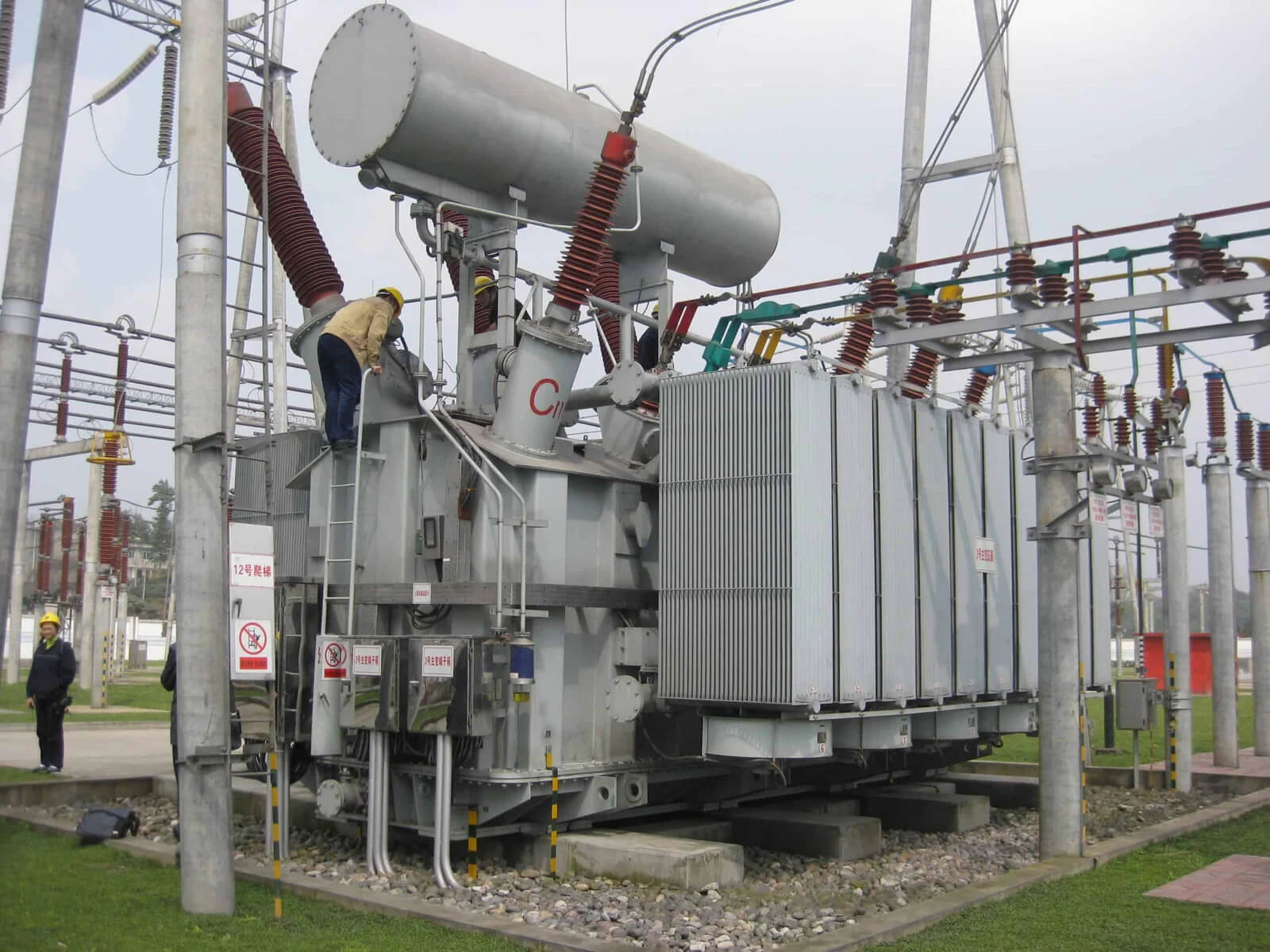
How to Select Medium/Large Power Transformers Specifications?
-
Learn essential power transformer specifications for selecting medium to large-capacity and high-voltage transformers with confidence.
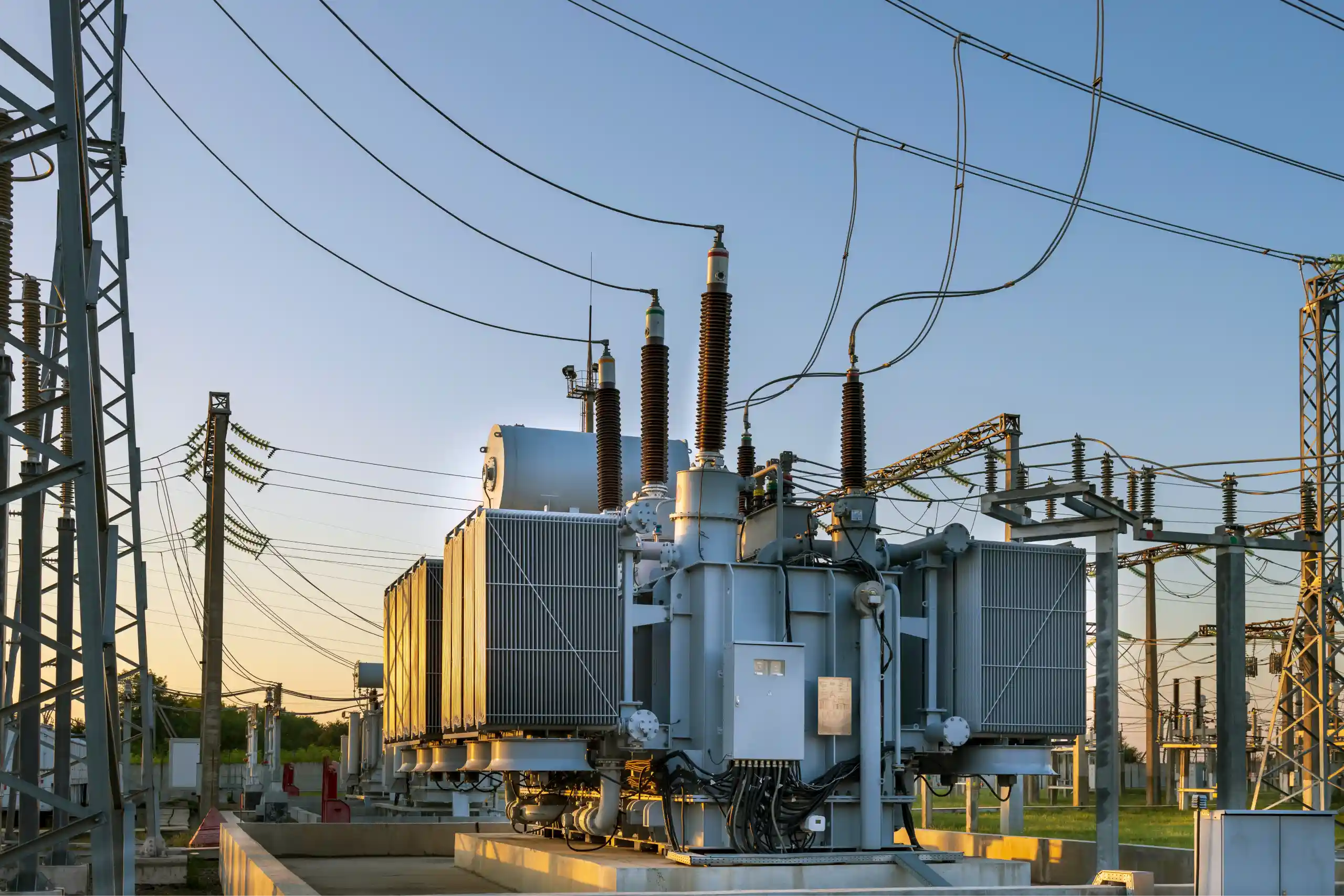
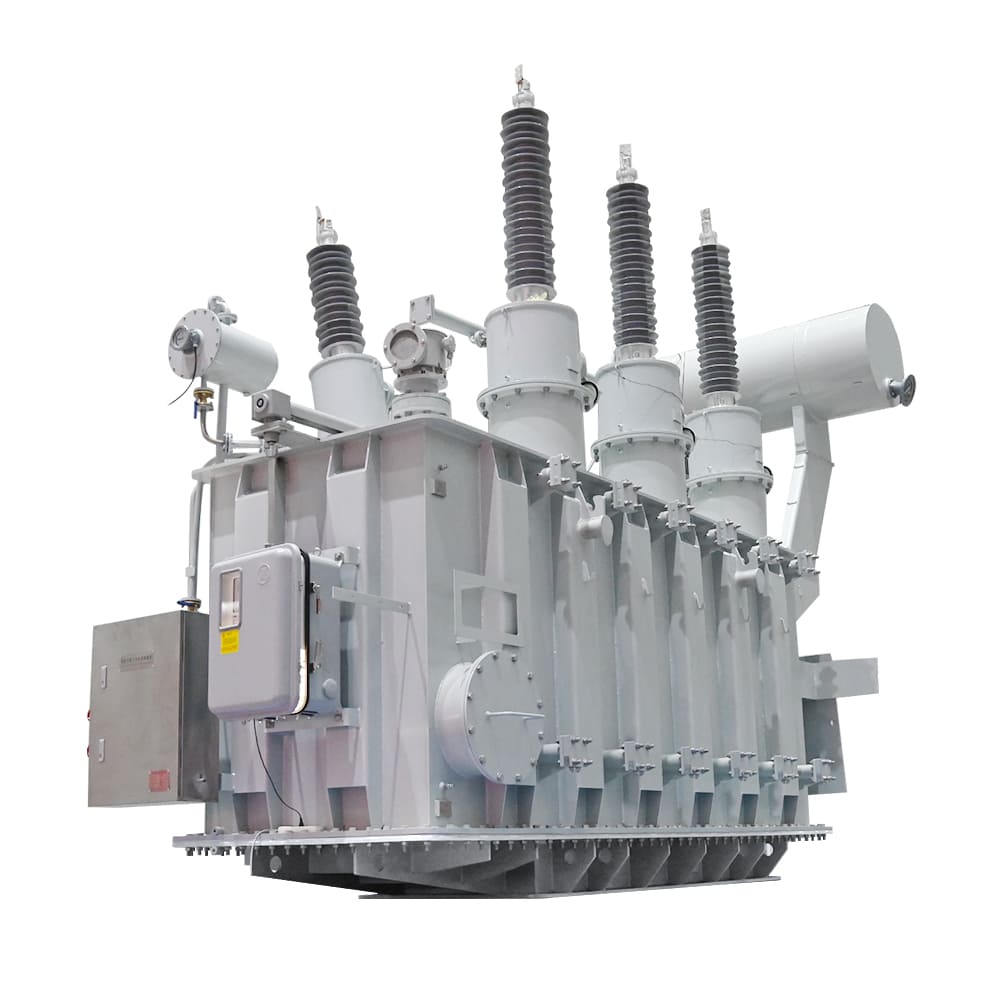
Power transformers specifications govern medium and large-capacity systems. Each rating shapes load handling, efficiency, and voltage stability. Distribution transformers below 1000 kVA have different insulation and cooling than medium-voltage designs. Pad-mounted or small substation transformers suit campus, commercial, or light industrial networks. Higher MVA units serve substations or heavy industry. Voltage class influences BIL, oil volume, and mechanical construction. Impedance defines fault current levels. Cooling class shapes thermal limits. Engineers monitor each parameter to ensure stable operation under peak load and seasonal variations. Selection requires attention to insulation, vector groups, and oil management. Environmental exposure further shapes design choices. Safety standards and national codes dictate structural and thermal margins.
Transformer Design Variations and Performance Considerations
Medium and large transformers follow predictable designs but vary by mounting type, insulation, and voltage level. Pad-mounted units allow safer public installation. Small substations handle multiple feeders. Higher MVA units may be oil or dry type. Efficiency standards, like DOE or ANSI, determine allowable losses. Impedance ensures proper coordination with protection devices. Oil-filled designs need careful monitoring of volume and temperature. Load profiles influence sizing. Transformers specifications define expected service life under continuous operation and overload conditions.
Large-Capacity Distribution & Substation Transformers
1500 kVA Transformer Specification
| H.V. | L.V. | Energy Efficency | NO LOAD LOSSES | ON LOAD LOSSES | Total Weight |
|---|---|---|---|---|---|
| 25kV | 0.416kV | 99.21% | 1950W | 13100W | 4000kg |
1500 kVA small substation power transformer specification
| H.V. | L.V. | Impedance | Standard | VOL.OF OIL | Total Weight |
|---|---|---|---|---|---|
| 13.8kV | 0.48kV | 5.52% | CSA C88 and C802.3 | 1080L | 4200kg |
This rating serves small substations. Oil volume rises to control temperature under continuous duty. Impedance limits fault currents. Efficiency supports predictable service cycles. Pad-mounted versions secure public areas. Transformer specifications provide safe operation under load changes. Substation designs integrate multiple feeders with stable voltage. Vector group selection ensures proper phasing and load sharing. Maintenance planning relies on these specifications for long-term reliability.
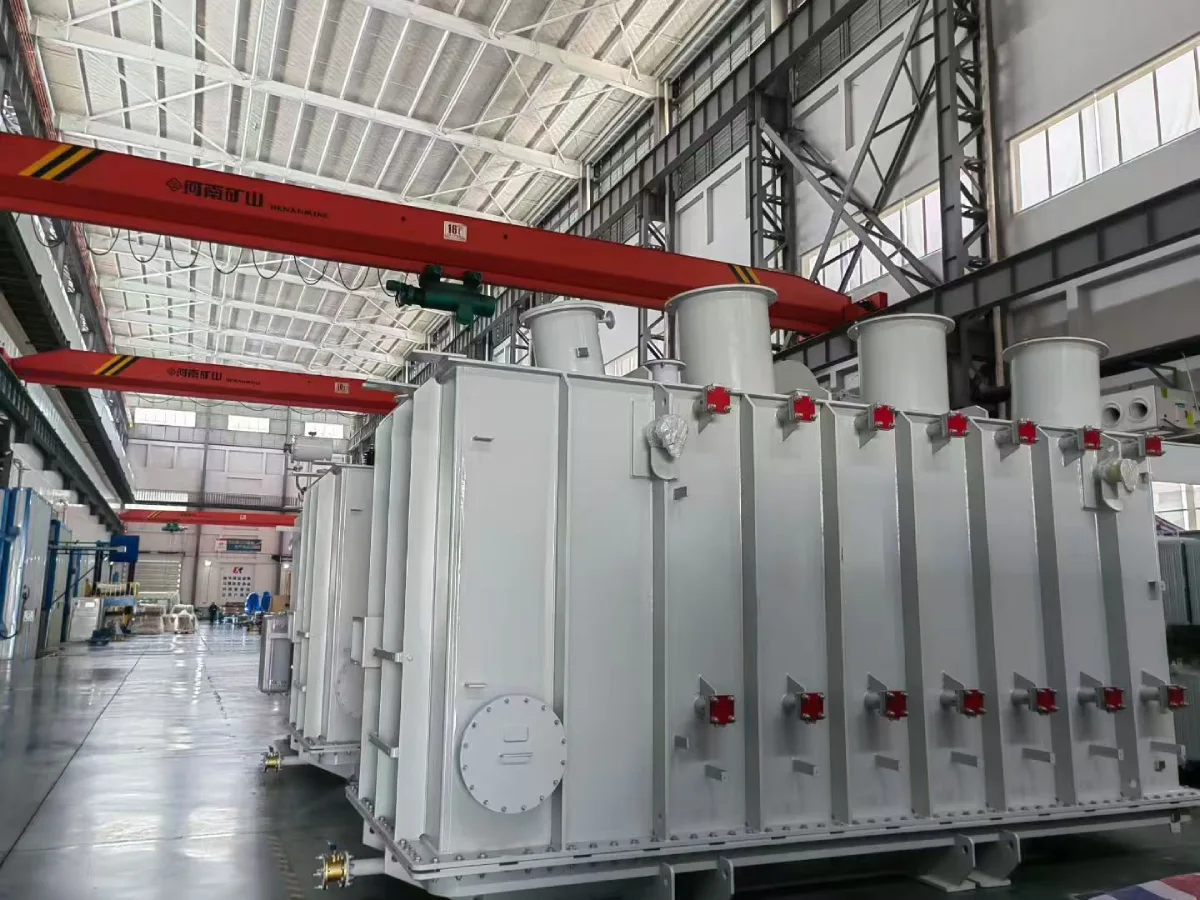
1600 kVA Transformer Specifications
| H.V. | L.V. | Cooling System | Impedance | No load loss | On load loss |
|---|---|---|---|---|---|
| 11kV | 0.208kV | ONAN | 4-5% | 1640W | 14500W |
These units support mid-sized industrial plants. Cooling ensures stable thermal response. Impedance suits network protection. Losses remain within standard limits. Transformer specifications for this rating provide predictable load handling and high efficiency. Oil-filled cores maintain thermal stability under repeated cycles. Environmental limits guide insulation and mounting choices.
2000 kVA transformer specification
| H.V. | L.V. | NO LOAD LOSSES | ON LOAD LOSSES | VOL.OF OIL | Total Weight |
|---|---|---|---|---|---|
| 13.8kV | 0.6kV | 2230W | 18100W | 1385L | 5000kg |
2000 kVA small substation transformer specification
| H.V. | L.V. | Impedance | Cooling Method | VOL.OF OIL | Total Weight |
|---|---|---|---|---|---|
| 13.8kV | 480V | 7.00% | ONAN/ONAF | 3150 lbs | 13000 lbs |
These transformers support larger distribution hubs. Oil volume and cooling methods handle peak demand. Impedance ensures protection device coordination. Pad-mounted designs secure public areas. Small substations support multiple feeders with stable voltage. Transformer specifications define safe operation under high load cycles. The heavier weight reflects robust core and winding designs.
2500 kVA pad mounted transformer specification
| H.V. | L.V. | Impedance | Cooling Method | VOL.OF OIL | Total Weight |
|---|---|---|---|---|---|
| 13.8kV | 415v-240v | 5.70% | ONAN | 1450L | 6300kg |
2500 kVA three phase power transformer specification
| H.V. | L.V. | EFFICIENCY | ON LOAD LOSSES | VOL.OF OIL | Total Weight |
|---|---|---|---|---|---|
| 24.94kV | 480GrdY/277V | 99.37% | 18100W | 1220kg | 5450kg |
These transformers support larger distribution hubs. Oil volume and cooling methods handle peak demand. Impedance ensures protection device coordination. Pad-mounted designs secure public areas. Small substations support multiple feeders with stable voltage. Transformer specifications define safe operation under high load cycles. The heavier weight reflects robust core and winding designs.
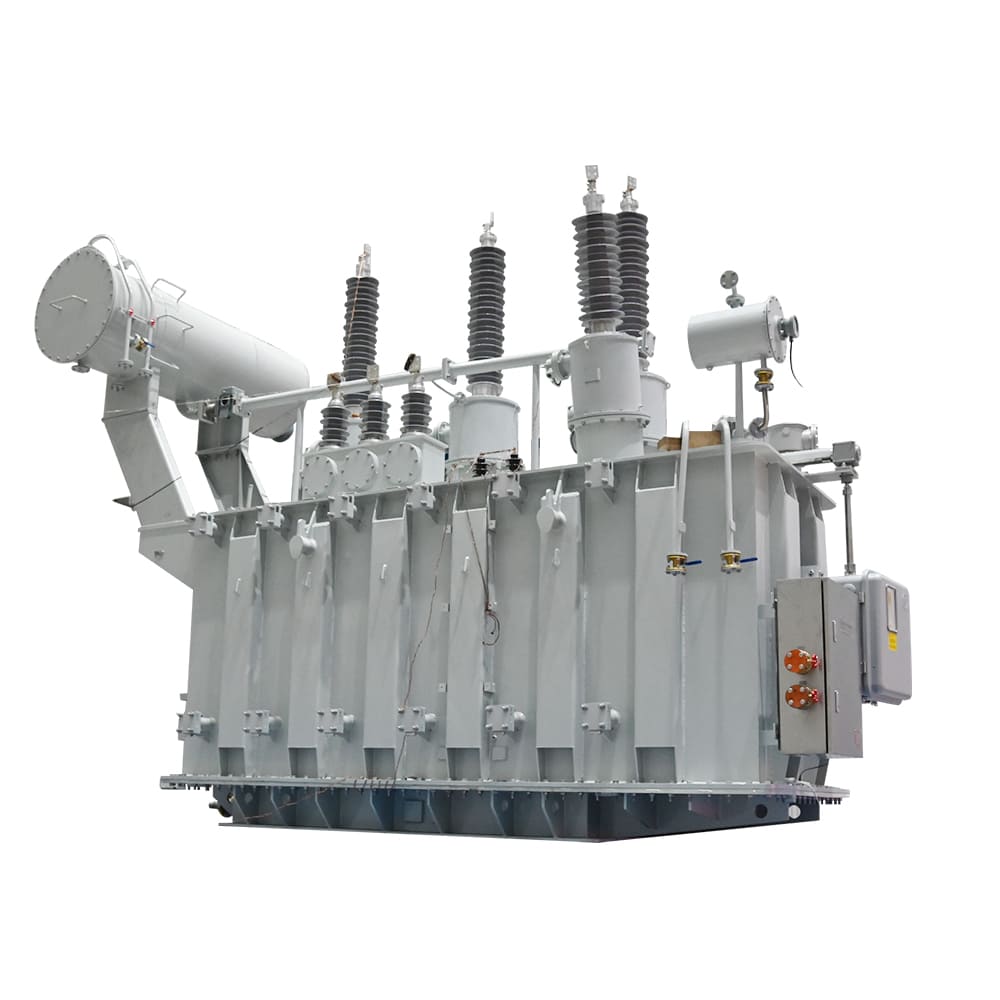
MVA-Level Transformer Specifications
10 MVA pad mounted transformer specification
| H.V. | L.V. | VECTOR GROUP | BIL | VOL.OF OIL | Total Weight |
|---|---|---|---|---|---|
| 24900GrdY | 600V | Dyn1 | 125/30kV | 3000L | 16000kg |
10 MVA power transformer specification
| H.V. | L.V. | VECTOR GROUP | Applied Standard | VOL.OF OIL | Total Weight |
|---|---|---|---|---|---|
| 25kV | 4.16kV | Ynd1 | CSA C88-16 | 2850L | 14000kg |
These units serve medium substations. Vector group selection aligns phasing. Oil volume manages heat during heavy industrial loads. BIL protects against switching and lightning surges. Transformers specifications ensure compliance with standards and long-term service.
20 MVA Transformer Specification
| H.V. | L.V. | BIL | Applied Standard | VOL.OF OIL | Total Weight |
|---|---|---|---|---|---|
| 24.9kV | 13.8kV | 150/95kV | IEEE C57.12.00 | 15980kg | 61460kg |
This transformer handles regional distribution. BIL protects against severe surges. Oil volume manages thermal load. Standards ensure safe operation. Transformer specifications are critical for utility planning. Weight indicates core size and winding capacity. Load cycles influence maintenance schedules
25 MVA Transformer Specifications
| H.V. | L.V. | BIL | Applied Standard | VOL.OF OIL | Total Weight |
|---|---|---|---|---|---|
| 132kV | 25kV | 150/95kV | EN 50329/AS 60076 | 17000kg | 51000kg |
These units support large urban or industrial substations. Voltage stability is critical. BIL protects against surges. Oil cooling manages long-duration loads. Transformers specifications ensure network reliability. Weight indicates robust insulation and core.
40 MVA Transformer Specification
| H.V. | L.V. | Cooling Method | Applied Standard | Mounting Position | Total Weight |
|---|---|---|---|---|---|
| 138kV | 24.9kV | ONAN/ONAF/ONAF | IEEE C57.12.00 | Side mount | 58000kg |
These 40 MVA units are designed for regional or urban substation applications. Oil-filled cooling ensures thermal stability under heavy load. ONAN/ONAF cooling modes allow flexible operation. Mounting position affects installation planning and maintenance access. Transformer specifications define performance limits and loss tolerances. Voltage regulation and insulation must comply with high-voltage standards.
50 MVA Transformer Specification
| H.V. | L.V. | ON LOAD LOSSES | ON LOAD LOSSES | VOL.OF OIL | Total Weight |
|---|---|---|---|---|---|
| 34.5kV | 13.8kV/7.97kV | 30000W | 187800W | 15000kg | 62500kg |
50 MVA transformers manage large industrial and urban distribution networks. Oil volume and insulation are engineered for high reliability. On-load losses impact efficiency. Transformers specifications ensure continuous operation under peak demand. Weight reflects massive core and winding structures. BIL design and voltage class maintain network safety.
100 MVA Transformer Specification
| H.V. | L.V. | NO LOAD LOSSES | ON LOAD LOSSES | Impedance | Vector-group |
|---|---|---|---|---|---|
| 115kV | 34.5kV | 90000W | 250000W | 12.80% | YNd11 |
These transformers serve very large substations and grid interconnections. NO LOAD and ON LOAD losses are optimized for efficiency. Impedance supports coordination with protection devices. Vector group YNd11 ensures correct phasing. Transformer specifications provide safe, long-term operation under heavy industrial and utility loads. Maintenance scheduling depends on loss characteristics and operational load cycles.
11kV Transformer Specification
| Rating | L.V. | NO LOAD LOSSES | ON LOAD LOSSES | VOL.OF OIL | Total Weight |
|---|---|---|---|---|---|
| 75kVA | 240/480/415/480Y/600Y/347 | 180W | 1250W | 120kg | 645kg |
| 112.5kVA | - | 200W | 1500W | 138kg | 729kg |
| 150kVA | - | 280W | 2200W | 201kg | 989kg |
| 225kVA | - | 400W | 3050W | 230kg | 1195kg |
| 300kVA | - | 480W | 3650W | 260kg | 1415kg |
| 500kVA | - | 680W | 5100W | 325kg | 1905kg |
| 750kVA | - | 980W | 7500W | 535kg | 2755kg |
| 1000kVA | - | 1150W | 10300W | 650kg | 3235kg |
| 1500kVA | - | 1640W | 14500W | 748kg | 5835kg |
| 2000kVA | - | 2160W | 20645W | 950kg | 6430kg |
| 2500kVA | - | 2680W | 27786W | 1020kg | 8865kg |
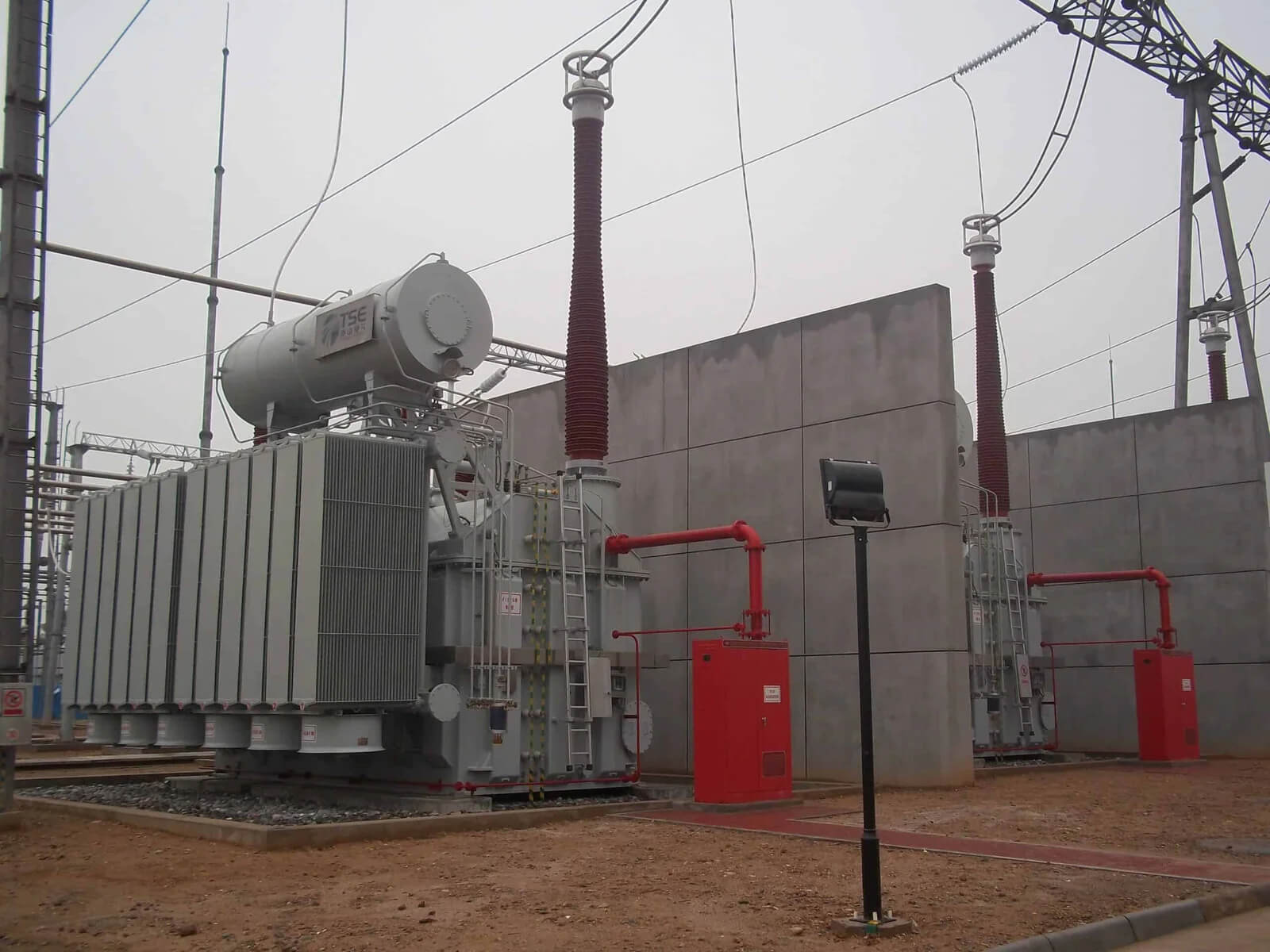
These 11kV transformers are widely used in distribution networks. NO LOAD and ON LOAD losses are minimal to maintain high efficiency. Transformer specifications guide operational safety and thermal management. Oil volume and weight indicate cooling and structural design. Ratings cover small to medium distribution substations. Loss data informs engineers about energy efficiency and load planning.
33kV Transformer Specifications
| Rating | L.V. | NO LOAD LOSSES | ON LOAD LOSSES | Impedance | Total Weight |
|---|---|---|---|---|---|
| 800kVA | 208/120, 415/240, 480/277, 400, 600, 12000, 12470, 13200, 13800 or others | 980W | 9350W | 2.7%, 3.1%, 4.35%, 5.75%, 6% | 2050kg |
| 1000kVA | - | 1160W | 11500W | - | 2450kg |
| 1250kVA | - | 1380W | 13900W | - | 2900kg |
| 1600kVA | - | 1660W | 16600W | - | 3400kg |
| 2000kVA | - | 2030W | 18300W | - | 4100kg |
| 2500kVA | - | 2450W | 19600W | - | 4750kg |
| 3000kVA | - | 3240W | 26500W | - | 6500kg |
| 5000kVA | - | 4500W | 27000W | - | 9500kg |
| 7500kVA | - | 7200W | 32000W | - | 13600kg |
| 10000kVA | - | 8500W | 35500W | - | 15800kg |
33kV transformers cover high-voltage distribution for large industrial and utility networks. Losses remain within international standards. Weight and oil volume reflect insulation and thermal management. Transformer specifications allow reliable long-term operation under heavy loads. Impedance supports network coordination. These units ensure grid stability and energy efficiency.
FAQ
What factors determine the efficiency of medium and large power transformers?
Efficiency of medium and large power transformers depends on both NO LOAD and ON LOAD losses, core material, and winding resistance. High-quality silicon steel and low-loss copper windings reduce energy dissipation. Cooling systems like ONAN or ONAF affect heat management and overall efficiency. Impedance selection also influences energy losses during load changes. Large transformers often operate continuously under heavy loads, so even small improvements in efficiency can result in significant energy savings. Accurate transformer specifications help engineers balance load requirements with operational efficiency for optimal performance.
How does cooling system choice impact transformer specifications and operation?
Cooling systems directly affect transformer performance and lifespan. ONAN (oil natural air natural) is suitable for moderate loads and simpler installations, while ONAF (oil natural air forced) handles higher heat dissipation for large or heavily loaded transformers. Cooling efficiency impacts total weight, oil volume, and the ability to maintain insulation integrity. Transformer specifications must clearly define cooling methods to ensure compliance with voltage and load ratings. Proper cooling reduces thermal stress on windings and core, prevents premature insulation breakdown, and maintains energy efficiency, especially in large-capacity and high-voltage transformers.
Why are impedance and voltage class critical in selecting power transformers?
Impedance controls short-circuit currents and affects voltage regulation. Correct impedance ensures compatibility with network protection devices and stable operation under variable loads. Voltage class, including high-voltage (HV) and low-voltage (LV) ratings, determines insulation requirements, BIL (Basic Insulation Level), and safety margins. Mismatched voltage or improper impedance can lead to overheating, equipment failure, or power interruptions. Transformer specifications provide precise values for HV/LV ratings and impedance, allowing engineers to select units that match network requirements. This ensures reliability, energy efficiency, and long-term operational safety.