What Are the Key Transformer Specifications to Know?
-
Discover transformer specifications, to help you compare types and capacities for pole-mounted, pad-mounted, and substation applications.
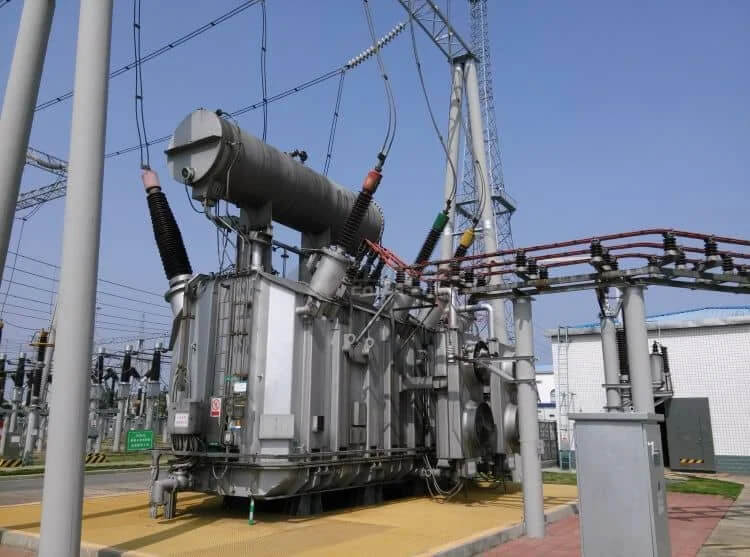
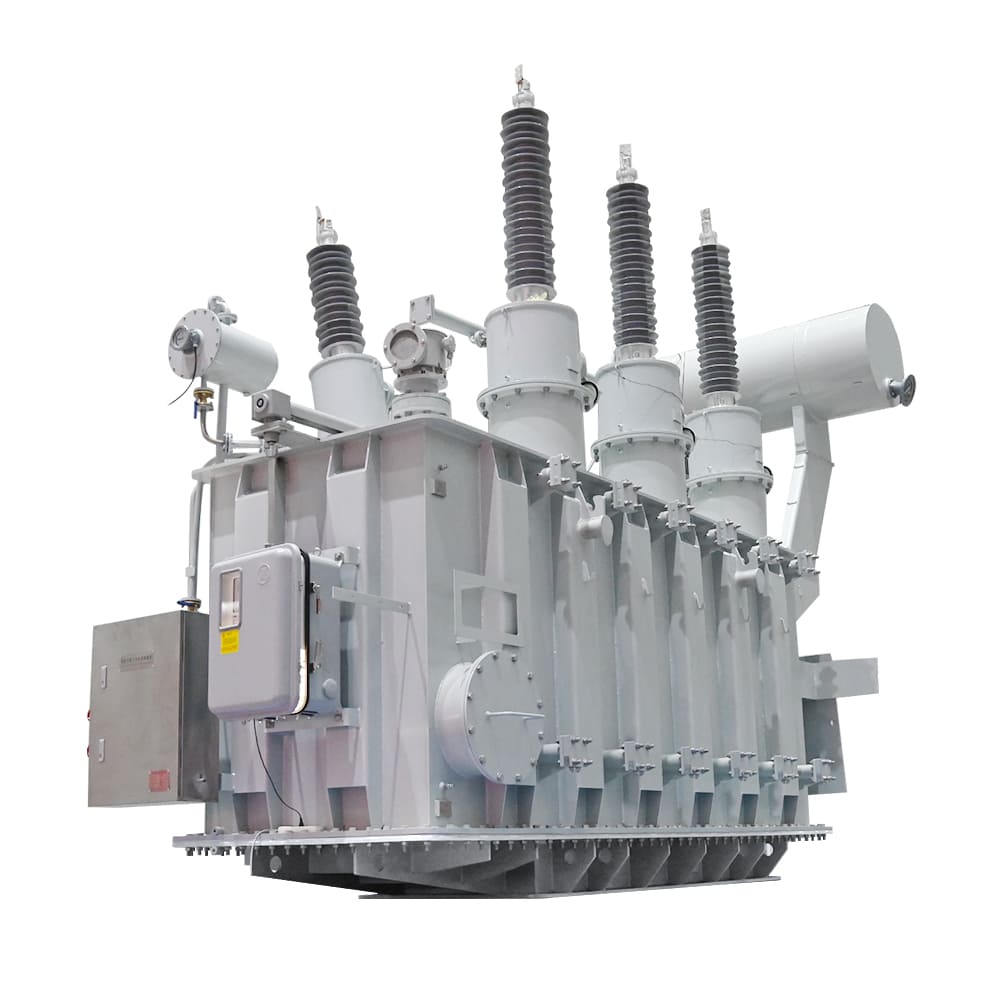
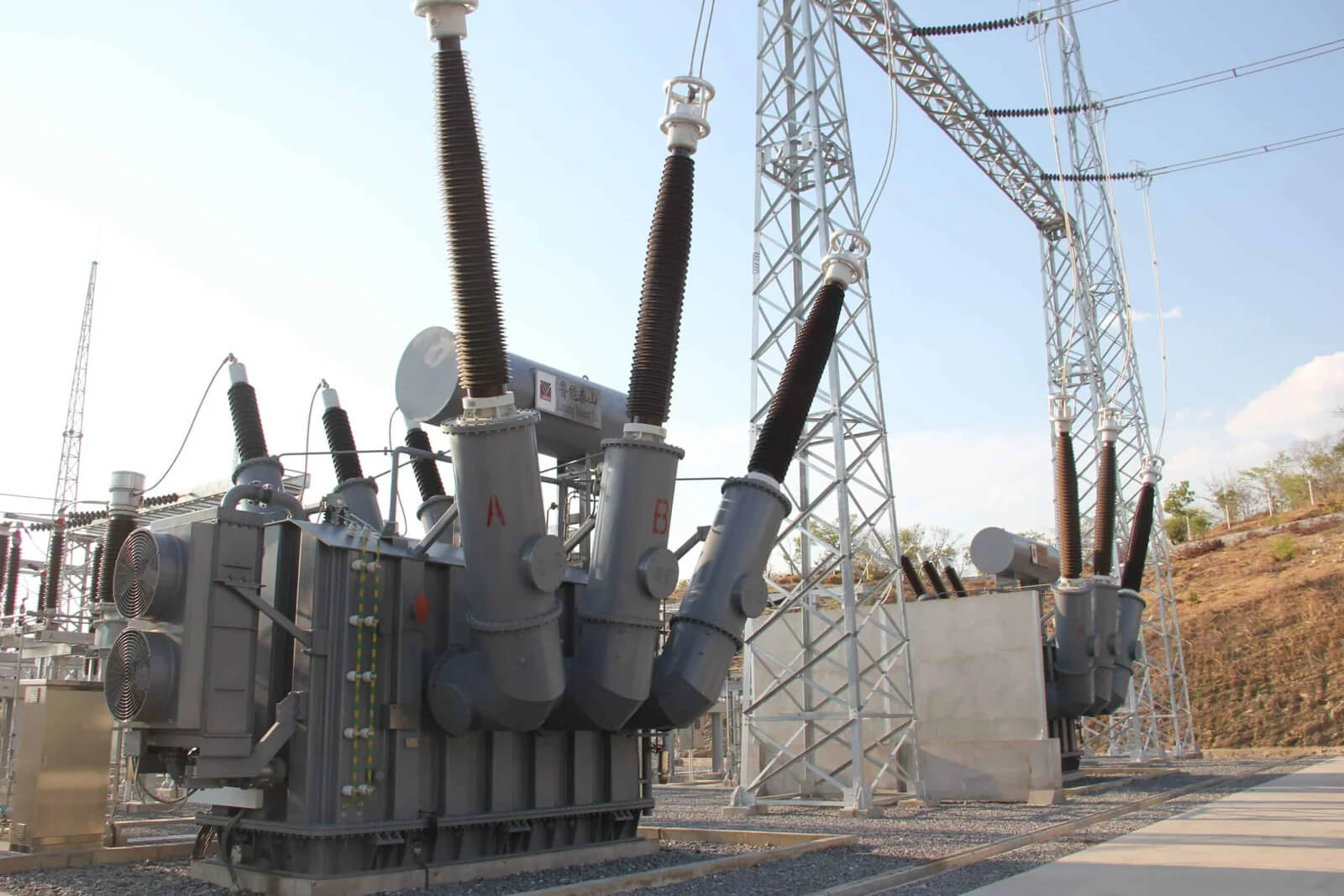
Transformers specifications as part of real project decisions. Each rating carries a different balance of voltage, impedance, temperature rise, and mechanical strength. Pole units support rural lines. Pad units support ground-level installations. Substation units support broader loads. Solar units support distributed power networks. Capacity defines losses, thermal margin, and oil volume. Selection shapes system reliability and long-term cost. Power engineers track each factor because transformers shape performance under daily demand, seasonal load cycles, and protection requirements. Insulation class defines dielectric strength. Cooling class defines thermal management. Winding configuration defines network behavior. Every rating builds a different set of trade-offs.
Transformer Specifications for Effective Capacity Planning and Installation
Transformers specifications guide capacity planning. Pole-mounted units offer minimal footprint. Pad-mounted units offer secure enclosures. Substation units offer higher load diversity. Solar transformers support renewable networks with stable voltage behavior. The operating environment shapes enclosure level and cooling style. Oil volume shapes thermal performance. Impedance shapes fault behavior. A good configuration ensures stable operation under peak loading. The following sections document how each transformer type aligns with its rating and installation method. Data tables show typical configurations that reflect current industrial practice.
Common Types of Transformer Installations
Pole-mounted transformers manage smaller distribution loads. Their form supports rural lines where clearance is limited. Oil volume remains modest, and impedance values remain tight. Pad-mounted transformers offer secure enclosures for public locations. They support grounded networks and serve campuses, malls, and industrial parks. Substation units handle broader load combinations. They require higher durability and stable voltage performance. Solar transformers sit near renewable arrays. Harmonics often drive tighter thermal limits. Windings carry stable insulation to support elevated ambient temperature. Transformers specifications influence each of these forms.
Transformer Installation Options: Safety, Flexibility, and Performance
Pad-mounted units contain sealed housings. The enclosure shields live components. Substation units allow safer access during testing. Solar units manage voltage shifts from renewable generation. Each option meets a different grounding method. The selected rating follows the load profile. Impedance remains critical because it limits fault currents. Oil type and cooling method shape thermal control. Each device must follow safety codes and national standards. This section covers installations that appear across modern distribution networks. Their specifications reflect stability and operational flexibility.

50 kVA Transformer Specifications
50 kVA transformer specifications
| H.V. | L.V. | Impedance | Energy Efficency | VOL.OF OIL | Total Weight |
|---|---|---|---|---|---|
| 13800V | 120-240V | 2.40% | ANSI C57.12 | 100L | 320kg |
This rating supports smaller feeders. The oil volume remains modest. The impedance stays near two percent. The voltage design supports short-range loads. Efficiency follows ANSI rules. Transformers specifications for this size remain stable across many regions. The compact core reduces stray losses. The winding arrangement handles domestic and light loads. Engineers use these units for predictable cycles. Oil volume supports controlled temperature under peak load.
50 kVA single phase pad mounted transformer specification
| H.V. | L.V. | Impedance | Cooling System | VOL.OF OIL | Total Weight |
|---|---|---|---|---|---|
| 12470y/7200 | 240/120 | 2.00% | ONAN | 180kg | 560kg |
Pad-mounted enclosures add weight, with the cooling method following ONAN. An increase in oil volume ensures protection for the sealed case. Designed for public locations, the enclosure provides greater physical security and protection from weather. Impedance levels are adjusted to support balanced networks. This unit integrates easily with underground cables and is ideal for campuses and mixed-use environments. Specifications for transformers are adjusted to accommodate the larger enclosure requirements.
100 kVA Transformers
100 kVA transformer specification
| H.V. | L.V. | Impedance | Energy Efficiency | VOL.OF OIL | Total Weight |
|---|---|---|---|---|---|
| 14400/24940Y* 16000/27600Y | 347/600Y | 2.40% | ANSI C57.12 | 165L | 660kg |
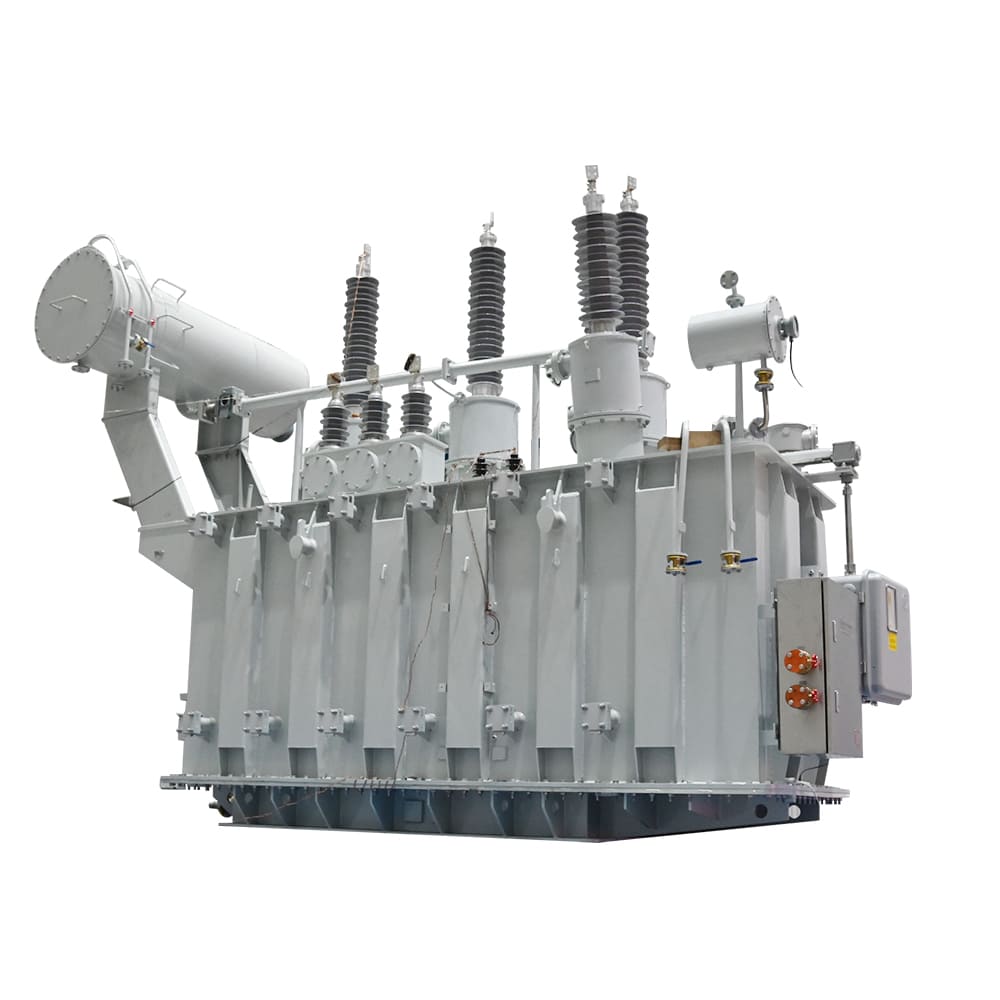
This rating supports small commercial loads. The oil capacity rises with the larger core. Balanced voltages support three-phase services. The winding insulation follows national rules. The thermal response remains steady with this oil margin. Transformers specifications for this rating help maintain reliability in environments with predictable cycles. The voltage range supports multi-building services.
100 kVA single phase pad mounted transformer specification
| H.V. | L.V. | Impedance | Energy Efficiency | VOL.OF OIL | Total Weight |
|---|---|---|---|---|---|
| 34500/19920 | 240/120 | 2.00% | DOE Efficiency Std | 255kg | 750kg |
Oil volume climbs due to sealed construction. Pad enclosures improve access control. Efficiency follows DOE rules. The core handles modest inrush. The impedance keeps fault current within safe limits. Weight increases with thicker steel. This arrangement suits underground cable feeders. Transformers specifications vary with grounding patterns and cable lengths.
150 kVA Transformers
150 kVA pad mounted transformer specification
| H.V. | L.V. | MANUF.REF.NO. | Energy Efficency | BIL | Cooling Method |
|---|---|---|---|---|---|
| 14400 | 600GrdY 347 | CSA C227.4-06 | 99.20% | 95/30kV | ONAN |
This rating is designed for larger commercial sites, where a higher BIL accommodates longer feeders. The oil system effectively manages thermal cycles, ensuring consistent performance. A grounded network is ideal for commercial blocks, and the distribution pattern is optimized for balanced loads. The pad system offers protection for both workers and the public. At this size, transformer specifications must comply with stricter national standards.
200 kVA Transformers
| H.V. | L.V. | Impedance | Tap Voltages HV | VOL.OF OIL | Total Weight |
|---|---|---|---|---|---|
| 13800 | 380GrdY/220 | 4.00% | ±2x2.5% | 500kg | 2000kg |
This rating adds tap flexibility. Oil capacity rises sharply. The weight suits the heavy core. Impedance rises to limit faults. Networks with varied loads rely on these ratings. Tap ranges support seasonal shifts. Transformers specifications here emphasize reliability.
250 kVA Transformers
| H.V. | L.V. | Impedance | Test Standard | Insulation Class | Cooling Method |
|---|---|---|---|---|---|
| 24.94kV | 0.277kV | 3.29% | ANSI C57.12.20 | A | ONAN |
250 kVA single phase pad mounted transformer specification
| H.V. | L.V. | Cooling System | Working-Temperature | BIL | Impedance |
|---|---|---|---|---|---|
| 27/16kV | 120/240V | KNAN | -50°C to +40°C | 125/30kV | 2.50% |
These units operate in mixed climates. Cooling may include KNAN. A wide temperature range supports outdoor sites. The BIL matches higher surge risks. Impedance remains low. Transformers specifications shift to match environmental extremes.
315 kVA Transformer Specification
| H.V. | L.V. | Impedance | Cooling Method | VOL.OF OIL | Total Weight |
|---|---|---|---|---|---|
| 11kV | 0.4kV | 4.00% | ONAN | 395kg | 1390kg |
This rating fits industrial or clustered commercial loads. Oil supports long cycles. Impedance matches short cable runs. Voltage design suits typical distribution grids. The core mass offers solid regulation. Transformers specifications at this rating hold tight limits.
400 kVA Transformer Specification
| H.V. | L.V. | Impedance | Cooling Method | VOL.OF OIL | Total Weight |
|---|---|---|---|---|---|
| 11kV | 0.416kV | 4.00% | ONAN | 255kg | 1350kg |

This rating supports larger mixed-use districts. Oil volume remains moderate. Impedance holds at efficient levels. The core scales cleanly. Power networks often select this rating for service blocks where loads remain stable. Transformers specifications create predictable voltage stability.
Mid-Range Power Transformers
500 kVA Transformer Specifications
| H.V. | L.V. | Cooling System | Impedance | Standard | Temperature Rise |
|---|---|---|---|---|---|
| 12000 Delta | 480Y/277 | ONAN | 5.75% | IEEE C57.12.00 12.90/12.34 | 65°C |
500 kVA power transformer specification
| H.V. | L.V. | VECTOR GROUP | Impedance | VOL.OF OIL | Total Weight |
|---|---|---|---|---|---|
| 27.6kV | 480GrdY/277V | Dyn1 | 4.75% | 550L | 2250kg |
These ratings support moderate industrial sites. Vector groups define phase behavior. Oil volume rises for longer cycles. Standards ensure thermal protection. Impedance manages harsh fault conditions. Transformers specifications concentrate on safe service continuity.
630 kVA Transformer Specifications
| H.V. | L.V. | Cooling System | Impedance | Standard | Temperature Rise |
|---|---|---|---|---|---|
| 20kV | 0.4kV | ONAN | 5.50% | IEC60076 | 65°C |
750 kVA Transformer Specifications
| H.V. | L.V. | Cooling System | BIL | VOL.OF OIL | Total Weight |
|---|---|---|---|---|---|
| 4160V | 480GrdY/277V | KNAN | 30/60kV | 540kg | 2800kg |
750 kVA skid-mounted transformer specification
| H.V. | L.V. | Cooling System | Impedance | BIL | Total Weight |
|---|---|---|---|---|---|
| 12.47kV | 480Y/277 | OA/FA | 7.00% | 95/30kV | 6954kg |
These transformers supply industrial groups. Skid frames offer mobility. Oil systems allow extended duty. Impedance rises with larger cores. Thermal rise aligns with standards. Transformers specifications guide industrial power reliability.
1000 kVA Transformers
| H.V. | L.V. | Impedance | BIL | VOL.OF OIL | Total Weight |
|---|---|---|---|---|---|
| 12.47kV | 480Y | 5.75% | 95/30kV | 650kg | 3235kg |
| H.V. | L.V. | Cooling System | Impedance | BIL | Total Weight |
|---|---|---|---|---|---|
| 12kV | 480Y/277 | OA/FA | 5.55% | 95/30kV | 5790kg |
This rating supports large structures. Heavy cores ensure stable voltage. BIL supports longer feeders. Cooling varies for duty cycles. Transformers specifications reflect heavy industrial needs.
1250 kVA Transformer Specification
| H.V. | L.V. | Energy Efficency | NO LOAD LOSSES | ON LOAD LOSSES | Total Weight |
|---|---|---|---|---|---|
| 25kV | 0.416kV | 99.21% | 1950W | 13100W | 4000kg |
This rating fits small substations. High efficiency keeps losses low. The design supports long duty cycles. This unit forms the upper edge of mid-range distribution. Transformers specifications here focus on strict thermal limits.
List of Common Considerations for Mid-Range Ratings
-
Impedance level for stable protection
-
Insulation class for surge safety
-
Oil volume for controlled temperature
-
Cooling mode for extended cycles
Selecting these factors shapes long-term reliability. Transformers specifications at mid-range levels ensure controlled operation with diverse load groups. Networks with mixed building types rely on stable thermal behavior. Oil systems and insulation classes form a key part of these designs. Load growth influences tap settings. Operators track each parameter for secure distribution networks.
FAQ
Why do different transformer sizes need different impedance values?
Impedance shapes fault current performance. Each transformer size carries a unique core geometry and winding layout. These elements influence magnetic behavior during short circuits. A lower impedance increases fault current. A higher impedance reduces fault impact but raises voltage drop. Each rating must balance these factors for safe operation. Rural feeders often use lower values because fault levels remain modest. Dense networks with strong upstream sources require higher impedance to limit damage. Engineers track these values against system protection curves. Transformers specifications embed these limits so the device operates safely under severe conditions.
Why does oil volume increase so much with pad mounted designs?
Pad units use sealed steel enclosures. These cases require more oil to manage internal temperature. The enclosure restricts natural airflow. Higher oil mass delays heat rise during extended duty cycles. Rural pole units need less oil because they shed heat directly into open air. Urban pad units face tighter conditions. Oil also supports insulation strength. Larger units create stronger magnetic fields that heat windings sooner. Transformers specifications align oil levels with thermal demand. Engineers size oil carefully to avoid early aging. A larger oil reservoir extends unit life under heavy cycles.
How does BIL influence transformer durability?
BIL defines lightning and switching surge capability. A higher rating means the insulation can tolerate larger spikes. Substations often face greater surge exposure. Rural feeders encounter storm-driven peaks. Urban networks require stable surge protection near underground cables. Each voltage class demands a suitable BIL margin. Insulation structure, oil type, and winding spacing shape this value. Transformers specifications show BIL because surge tolerance defines long-term durability. A mismatch reduces device life. Correct BIL selection ensures continuous service.