
Why Are Conservators Used in Oil-Filled Transformers?
-
Conservators used in oil-filled transformers control pressure, protect insulation, and keep oil clean to ensure stable performance.


1. How Does the Initial Cost of Dry Type Transformers Compare to Oil-Immersed Units?
Dry type transformers often carry a higher initial purchase price than oil-immersed units. Some cast-resin or air-insulated units cost 20–40% more than equivalent oil-immersed transformers of the same capacity.
This higher cost stems from more expensive insulation materials, more robust housings or enclosures, and more precise manufacturing requirements needed to ensure safety and durability without oil cooling.
| Component | Main Function |
| Conservator Tank | Holds expanding transformer oil |
| Main Tank | Contains windings and core |
| Breather Port | Connects to silica gel breather |
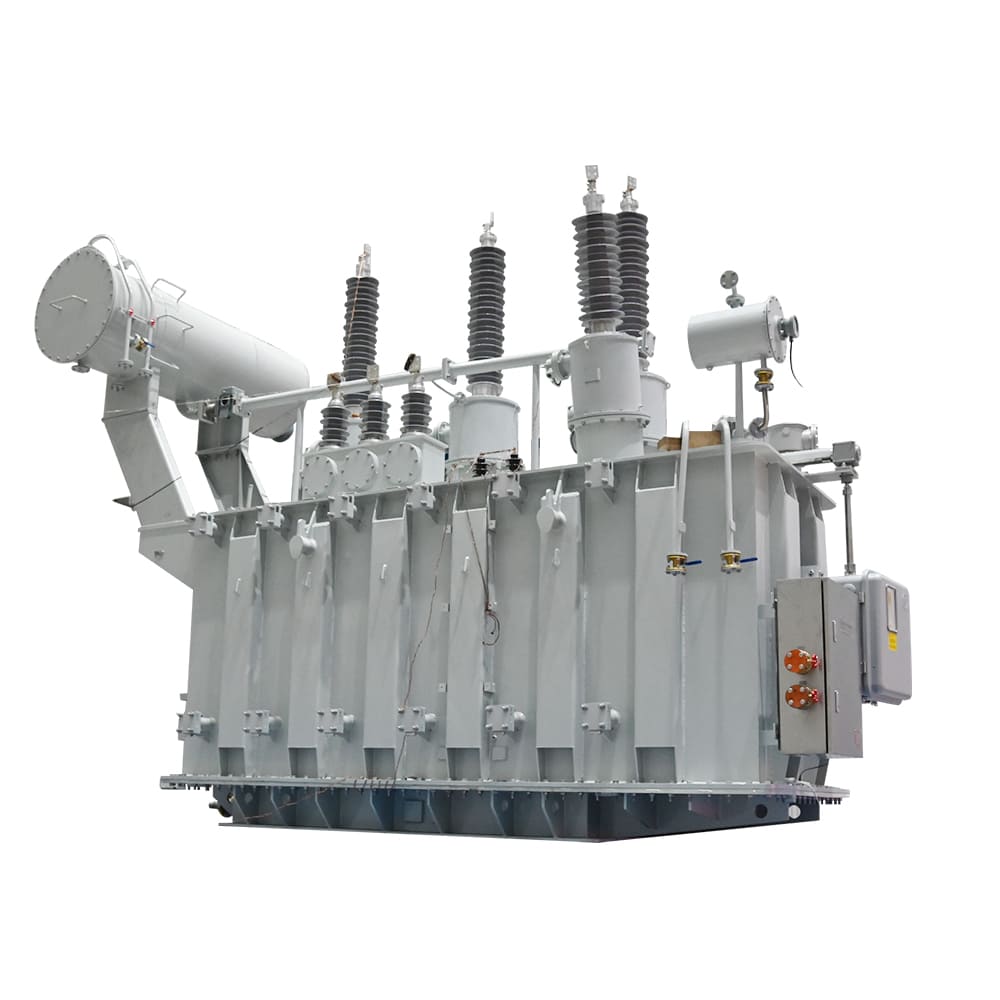
The table above shows key components that support stable operation. The following explanation highlights how each part interacts with system oil. The conservator tank acts as a flexible chamber. The main tank keeps the core submerged. The breather area maintains air exchange quality. These parts operate together to maintain purity, stability, and safe pressure patterns within oil-filled transformers.
2. How Does a Conservator Manage Oil Expansion and Contraction?
Oil expansion and contraction follow temperature changes. Internal energy rises when a transformer carries load. The oil volume grows and moves toward the conservator. The conservator receives this volume without raising internal pressure. System pressure stays stable before reaching critical limits. Temperature falls once load reduces. Oil returns to the main tank from the conservator. This cycle happens many times each day. Steady control reduces structural stress and improves insulation behavior. The system maintains predictable oil movement that protects gaskets and slows aging. Controlled movement ensures a clean oil surface and reduces air contact.
| Condition | Oil Behavior | Conservator Response |
| High Load | Oil expands | Accepts increased oil volume |
| Low Load | Oil contracts | Returns surplus oil |
| Stable Load | Minimal change | Keeps pressure balanced |
The table above illustrates how load patterns influence oil movement. The following paragraph explains why these responses matter. The conservator controls oil flow so pressure stays within safe limits. Predictable pressure movement protects seals and reduces oxygen exposure. Internal oxidation slows when oil maintains limited air contact. Reduced oxidation delays acidity growth and sludge formation. High-quality insulation strength remains stable for long periods. This behavior improves transformer durability and helps maintain safe operating margins.

3. Why Is a Conservator Important for Transformer Reliability and Safety?
Transformer insulation and cooling rely on stable oil conditions. The conservator shields the oil from atmospheric exposure. Low oxygen intake reduces sludge buildup. Low moisture intake improves dielectric strength. The system avoids rapid deterioration. Clean oil also limits internal discharge risks. Temperature cycles typically create pressure swings. The conservator smooths these swings. Structural strain decreases. Gasket aging slows. Core components experience reduced stress. These benefits extend equipment life. Reliable oil volumes maintain safe clearance levels around windings. Stable insulation performance prevents electrical faults and improves grid continuity.
| Safety Factor | Impact |
| Reduced Moisture | Higher dielectric strength |
| Low Oxygen | Lower sludge formation |
| Stable Pressure | Less structural stress |
| Clean Oil | Longer equipment life |
The table above outlines several reliability advantages. The following analysis explains their combined value. Reduced moisture improves insulation margins. Low oxygen preserves oil chemistry. Stable pressure keeps seals strong. A clean fluid system protects winding insulation and iron core surfaces. These effects strengthen long-term reliability. The transformer operates with greater consistency across varying climates and grid conditions.
4. What Additional Features Are Typically Associated with Conservators?
Several components work with a conservator to maintain stable conditions. A silica gel breather filters incoming air. Its drying medium traps moisture. The oil level indicator tracks volume changes. Operators can confirm system health from the indicator window. A Buchholz relay sits between the conservator and the main tank. This device detects gas from internal faults. It protects the system by sending alarms during abnormal activity. These accessories create a complete protection chain. Their performance ensures that the conservator supports stable oil behavior and safe internal conditions.
| Accessory | Purpose |
| Silica Gel Breather | Removes moisture from incoming air |
| Oil Level Indicator | Shows oil volume changes |
| Buchholz Relay | Detects internal fault gas |
| Air Bag (Optional) | Prevents oil contact with air |
The table above shows devices that enhance system protection. The following explanation highlights their value. The breather keeps incoming air dry. The indicator allows quick visual checks. The relay offers early warnings for internal faults. Some systems add an air bag to fully separate oil from the atmosphere. These features improve oil quality, operation stability, and equipment protection.
Why Choose Kerun Intelligent Control Transformer?
Kerun Intelligent Control Transformer offers advanced design standards that support long service life, safe performance, and consistent reliability. Each unit features optimized thermal management that works with modern conservator assemblies. High-quality insulation materials reduce partial discharge risks. Precision-machined tanks maintain strong structural resistance. Kerun designs focus on stable pressure patterns and clean oil behavior. These benefits reduce maintenance work and help maintain safe voltage levels under continuous load. Kerun also supports custom configurations for industrial projects, energy systems, and complex distribution networks. Clients receive strong technical support and efficient engineering solutions for long-term operation.
5. Conclusion
A conservator keeps oil-filled transformers stable under changing thermal conditions. Its function protects oil chemistry, insulation strength, and structural durability. Operators gain safer and more predictable behavior. Expanding and contracting oil remains under controlled movement. Protective accessories strengthen system reliability. High-performance transformers benefit from clean oil, consistent pressure, and reduced oxidation. Conservator systems therefore offer strong value in medium and high-voltage applications. Their presence increases safety margins and prolongs equipment lifespan.
FAQ
1. Why does a transformer conservator reduce oil degradation risk?
A conservator reduces oil degradation because it limits contact between the oil and atmospheric air. Oxygen often reacts with hot oil and forms sludge. Sludge harms insulation strength and blocks cooling paths. The conservator helps keep oxygen intake low. A breather also removes moisture from incoming air. Low moisture reduces dielectric weakness. Less water in the system means a lower chance of discharge inside the windings. Clean oil keeps heat transfer efficient. Efficient cooling reduces thermal stress on insulation. These effects work together to slow chemical aging and stabilize transformer performance.
2. How does a conservator improve system maintenance efficiency?
A conservator helps maintenance teams monitor transformer health more easily. The oil level indicator shows clear volume changes. Technicians can identify leaks or abnormal thermal patterns without complex testing. The breather color changes as moisture absorption increases. This color shift offers visible alerts. Early visibility reduces inspection difficulty. Cleaner oil also reduces the need for frequent filtration. Stable pressure protects seals and extends gasket life. Longer gasket endurance lowers repair frequency. These benefits reduce downtime and improve long-term maintenance planning.
3. What grid environments benefit most from conservator-equipped transformers?
Conservator-equipped transformers perform well in climates with temperature swings. Large temperature differences create aggressive oil expansion cycles. The conservator smooths these cycles and protects internal parts. Industrial plants with long load durations also benefit. Such plants generate high thermal stress. The conservator reduces pressure spikes and maintains clean oil movement. Rural grids with inconsistent loading patterns gain improved reliability. The system stays stable even when load drops suddenly. Moisture-sensitive regions also see strong advantages. The breather maintains dry internal conditions that strengthen insulation safety.