What Happens When A Transformer Blows?
-
To prevent transformer explosions, understanding the causes and effects of failures is crucial for ensuring safety and reliability.
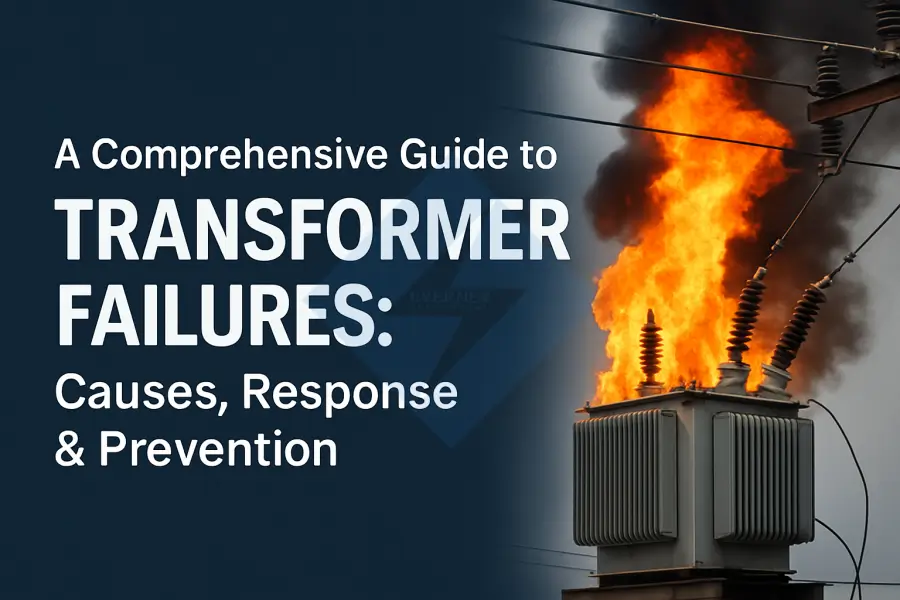
A transformer is a critical piece of electrical equipment. It handles massive amounts of power every day. The transformer steps voltage up or down for safe use. This process creates significant mechanical and thermal stress. Stress is placed on the windings, core, and connections. A large amount of waste heat is also generated constantly. Any sudden change in operating conditions can be disastrous. This change can push the components past their limits. The resulting heat buildup can become extremely intense. This intensity can lead to a catastrophic failure. The failure is often accompanied by a loud explosion. Understanding these root causes is essential for prevention. We must recognize the factors that lead to this dangerous event. This knowledge helps maintain grid stability and safety.
If a transformer blows, it can lead to several consequences:
1. Power Outages and Blackouts
2. Potential Damage to Electrical Devices
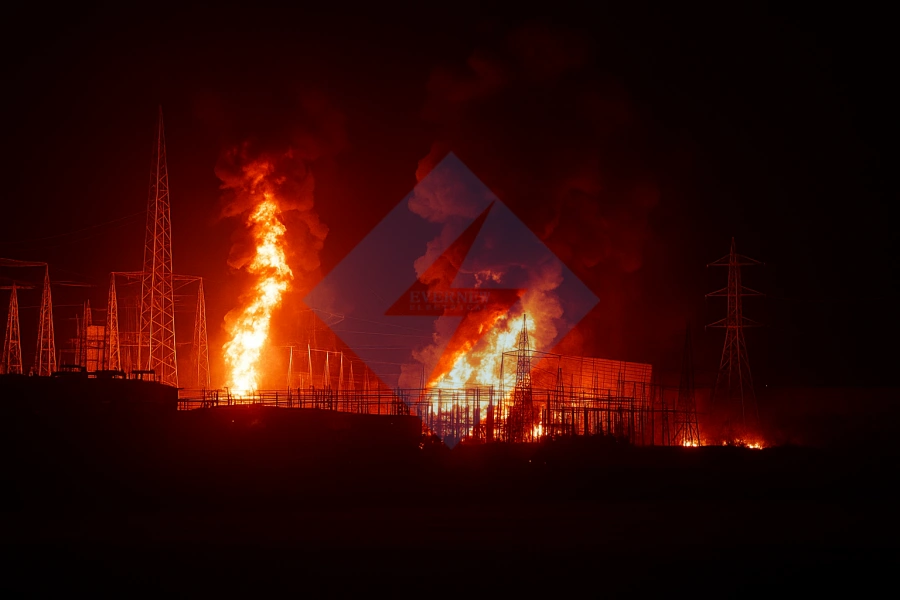
3. Potential Damage of Property
4. Effects on Local Services
All Potential Factors That Can Make A Transformer To Blow
1. Capacity Failure
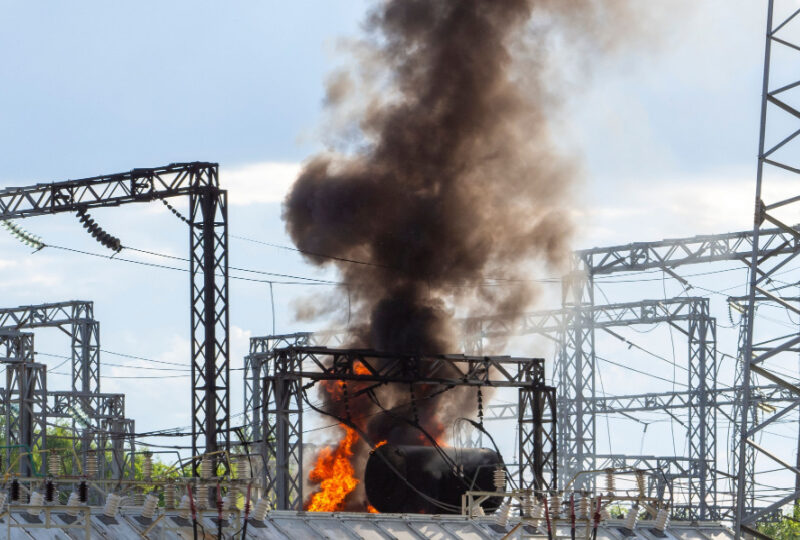
2. Maintenance Issue
3. Sudden Power Fluctuation
4. Short Circuit in Transformer Wire
5. Environmental Factor
What Happen After Transformer Blows
How Utility Companies Fix the Problem

Sensory Signs of a Blown Transformer
Sight
Sound
Smell
Preventative Measures: Can Future Failures Be Avoided?

Why Choose Kerun Intelligent Control Transformer?
Conclusion
Frequently Asked Questions (FAQ)
Q1: What is the difference between a transformer blowing and a fuse blowing?
The distinction between a transformer blowing and a fuse blowing is crucial for safety and response.When a fuse blows, it protects the circuit by interrupting the current as soon as it detects a fault. It usually produces a loud pop or bang, but the event remains fully contained. The transformer stays structurally intact, and technicians simply replace the fuse to restore service.When a transformer blows, however, the unit’s internal components fail catastrophically. Extreme pressure from gas buildup or a severe internal arc forces the tank to rupture, causing a massive explosion, fire, and widespread damage.The key difference is simple: a fuse blowing successfully protects the system, while a transformer blowing represents complete equipment failure and requires full replacement and extensive cleanup.
Q2: How does a sudden power surge cause a transformer to fail catastrophically?
A sudden power surge—often triggered by lightning or a major switching event on the power grid—forces extremely high voltage into the transformer’s windings. This surge overwhelms the insulation system, which can only withstand normal operating voltages. The insulation breaks down instantly, creating an internal arc fault.
The arc fault generates intense heat that vaporizes the insulating oil, producing a massive volume of gas almost immediately. This gas creates extreme internal pressure inside the tank. If the pressure relief devices cannot vent the gas quickly enough, the tank bursts violently, leading to a catastrophic explosion.
Q3: What role does Dissolved Gas Analysis (DGA) play in preventing transformer explosions?